


Regular car maintenance helps prevent costly repairs because small problems get fixed before they damage expensive parts. Drivers around Sterling, VA put steady miles on Route 28 and the Dulles Toll Road. Those miles wear brakes, fluids, and tires long before a warning light appears.
At Speed & Tech Motoring in Sterling, scheduled maintenance covers European, performance, and electric vehicles, with OEM or OEM-spec parts. This guide shows which services prevent which repairs, how often each one is due, and which warning signs cannot wait.
How Does Regular Car Maintenance Prevent Costly Repairs?
Most expensive repairs begin as inexpensive problems that remain unaddressed. Degraded oil stops protecting the engine, worn brake pads begin damaging rotors, and low coolant allows the engine to overheat.
Preventive maintenance interrupts that chain early. A technician replaces a worn part or fluid while the damage is still small. The job stays a routine service instead of a major repair.
Thorough inspections add a second layer of protection. A trained technician identifies leaks, cracked hoses, and uneven tire wear that a driver rarely notices on the road.
Which Repairs Does Routine Service Prevent Most Often?
The mechanical team at Speed & Tech Motoring handles most of these services in one visit. The full list sits on the auto repair and mechanical services page. The table below shows what each service protects.
| Routine Service | Repair It Helps Prevent | First Warning Sign |
| Oil and filter change | Premature engine wear and sludge damage | Dark oil, ticking noise, oil light |
| Brake pads and rotors | Scored rotors and longer stopping distances | Squealing or grinding |
| Brake fluid change | Corroded brake components | Spongy or soft pedal |
| Coolant service | Overheating and engine damage | Temperature gauge climbing |
| Differential and transmission fluid | Gear and bearing wear | Whining or rough shifts |
| Tire rotation and pressure checks | Uneven wear and early replacement | Vibration or pulling |
| Battery test | Sudden no-start failures | Slow cranking, dim lights |
| Belt and hose inspection | Roadside breakdowns | Cracks, squealing |
Brake service is the clearest example. Pads are inexpensive to replace on time. A pad worn down to metal scores the rotor and turns a small job into a larger one.
What Does Skipping Maintenance Actually Cost?
Deferred service costs considerably more in three ways. The failed part costs more than the service would have. Labor takes longer, and a breakdown adds towing and lost time.
Secondary damage multiplies the final bill. Overheating can harm the cylinder head, and metal-on-metal braking can ruin rotors and calipers along with the pads.
Prices vary by vehicle, so a written estimate from the shop provides the most accurate comparison for a specific car. Ask for that estimate before approving any larger job.
How Often Should Each Service Happen for Northern Virginia Drivers?
The owner’s manual establishes the baseline for every interval, and manufacturers differ by engine and model. Treat the manual as the first source before any general rule of thumb.
For oil, Speed & Tech Motoring suggests changes every 3,000 to 5,000 miles, depending on oil type and driving conditions. Brakes, fluids, tires, and batteries follow the manual’s schedule and the findings of each inspection.
Local driving conditions can shorten some intervals. Stop-and-go traffic on Route 28, summer heat, and winter cold snaps push brakes, oil, and batteries harder than highway miles.
Do European, Performance, and Electric Vehicles Need Different Maintenance?
What Do European and Performance Cars Need?
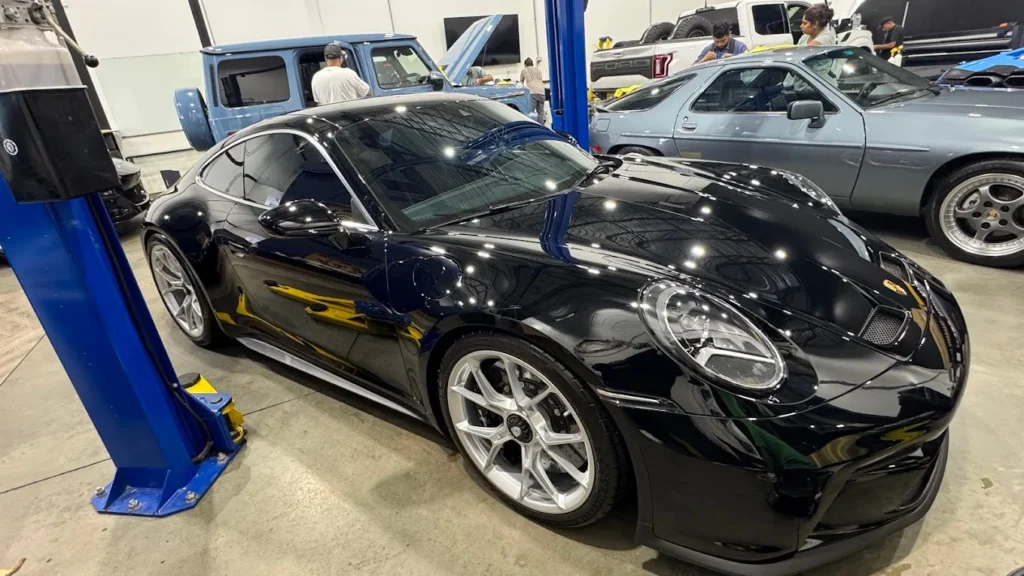
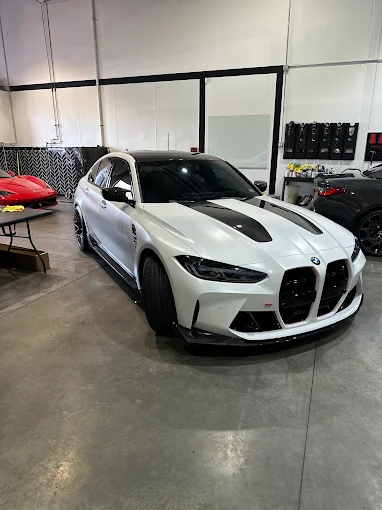
BMW and Porsche models often call for specific oil specifications and fluid types in the owner’s manual. OEM or OEM-spec parts and fluids keep service aligned with those requirements. Performance driving also wears brakes and tires considerably faster than ordinary commuting.
What Do Electric Vehicles Need?
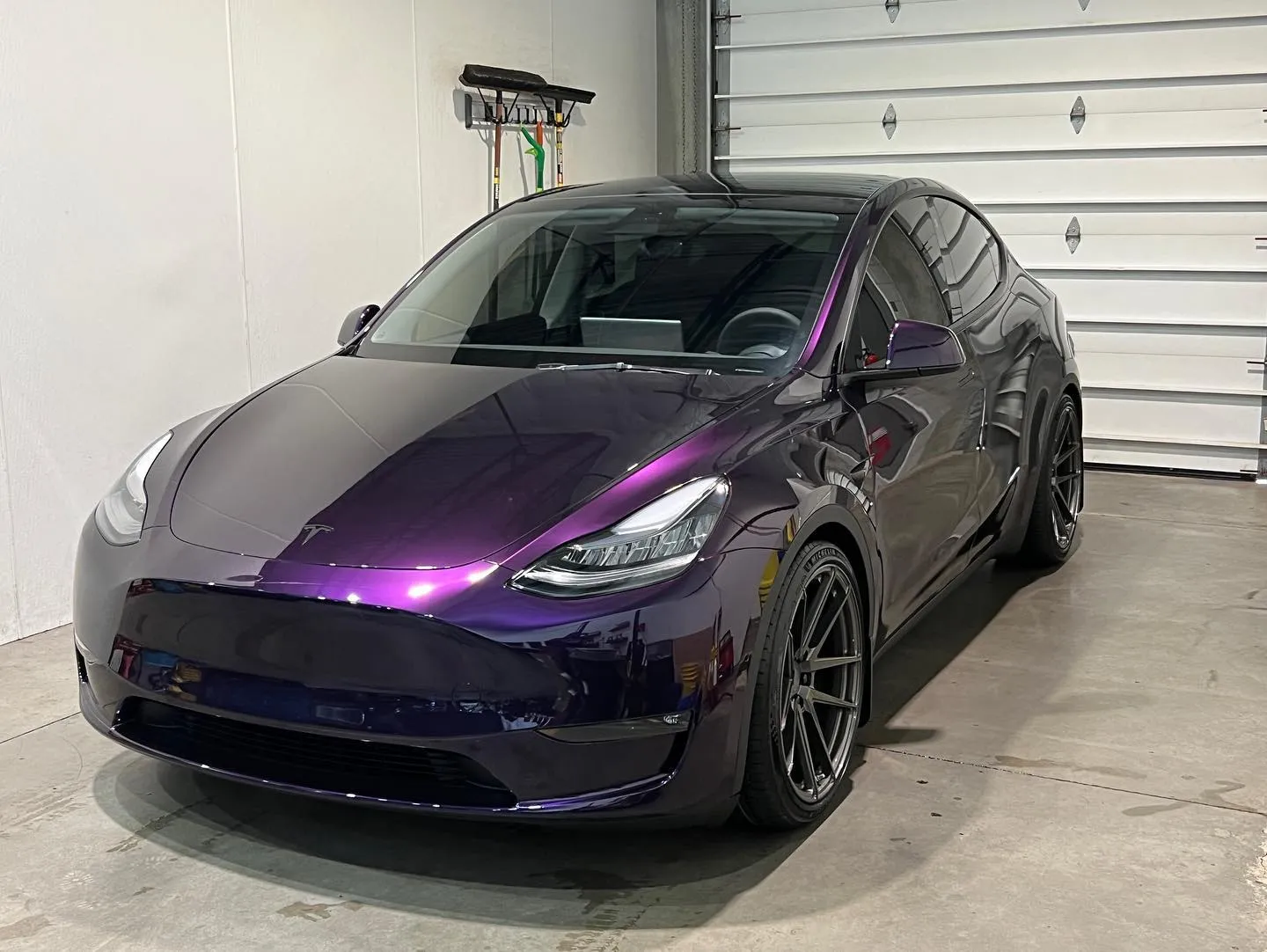
Electric vehicles skip oil changes but still need brake fluid service, tire rotation, cabin filter changes, and coolant checks. Regenerative braking slows pad wear, which makes brake fluid and caliper checks easy to overlook. Tesla owners benefit from a regular inspection schedule for that reason.
Does Maintenance Also Protect Safety and Resale Value?
Safety and expense are closely connected. Brakes, tires, and cooling systems are safety systems. A skipped service raises the chance of a breakdown or longer stopping distances.
Documented service records also support resale value. Buyers and appraisers favor vehicles with documented oil, brake, and fluid service over cars with gaps in the history.
A written service history can also help with warranty questions. Manufacturers may ask for proof that required maintenance was completed on time.
Can Routine Maintenance Also Save Fuel?
Routine care also reduces fuel consumption. The U.S. Department of Energy reports that proper tire inflation improves gas mileage by 0.6% on average. In some cases, the gain reaches 3%.
Each 1 psi drop in tire pressure lowers mileage by about 0.2%. Using the manufacturer’s recommended oil grade improves mileage by 1% to 2%.
The gas mileage tips page from the Department of Energy covers these figures. It also notes that a clogged air filter does not change mileage on modern fuel-injected engines.
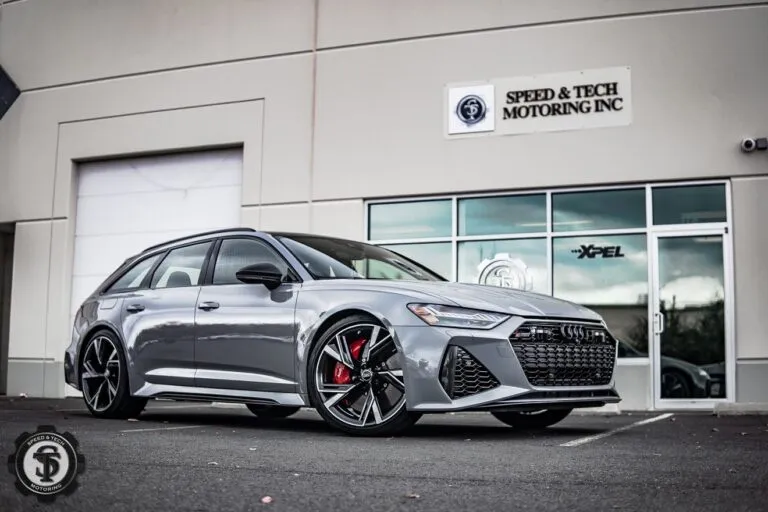
Which Maintenance Plan Fits a Daily Commuter or a Weekend Car?
Daily Commuters
Commuters on Route 28 and Route 7 add miles quickly, so oil, brake, and tire service come due sooner. Short, stop-and-go trips also load the battery and brakes.
Weekend and Performance Cars
A weekend car may log few miles, but fluids age with time as well as mileage. Brake fluid, coolant, and the battery still need attention, and tires should be checked for flat spots after long storage.
Which Warning Signs Should Never Wait for the Next Service?
Certain symptoms indicate that damage is already underway. A diagnostic visit should happen as soon as any of these appear:
- Squealing, grinding, or a soft brake pedal
- A check engine light, steady or flashing
- A temperature gauge climbing above normal
- Pulling to one side or vibration at speed
- Fluid spots under the parked car
- Slow cranking or dim headlights
A flashing check engine light or an overheating engine calls for stopping the car safely right away. Continuing to drive can turn a repairable fault into a major one.
Noting when a symptom starts helps the technician find the cause faster. Examples include highway speed only or cold starts only.
What Should a Good Maintenance Visit Include?
A comprehensive visit starts with a diagnostic scan for stored fault codes. It also includes an inspection of brakes, tires, fluids, belts, and hoses. The shop lists diagnostics and scheduled maintenance as standard services.
The service itself should use the correct oil grade and OEM or OEM-spec parts. Fluids should match the manufacturer’s specification for that vehicle.
The visit should end with a clear summary of completed work and upcoming maintenance. That summary lets a driver anticipate future expenses instead of facing unexpected bills.
How Can Drivers Build a Simple Maintenance Habit?
A short routine keeps small problems visible between professional inspections. Five habits cover most of what prevents costly repairs:
- Check tire pressure once a month, including the spare if the car has one.
- Read the owner’s manual and mark the next service dates on a calendar.
- Keep every receipt, because a complete service history supports resale value.
- Book an inspection once a year, even when nothing feels wrong.
- Act on warning lights and new noises within days, not months.
These habits require little time and almost no money. They also give the technician a clear history to work from at the next visit.
Conclusion
Regular maintenance prevents costly repairs by identifying wear while components are still inexpensive to replace. Oil, brake, coolant, and tire service cover the most common failures, and the owner’s manual sets the schedule. Proper tire inflation and the correct oil grade also reduce fuel consumption.
For drivers in Sterling, Speed & Tech Motoring schedules maintenance for European, performance, and electric vehicles. Drivers who want paint and glass protection can read the complete car protection guide for Sterling, VA next.
Frequently Asked Questions
How often should I get my car serviced to avoid expensive repairs?
Follow the owner’s manual first, since intervals differ by engine and model. Many shops suggest oil service every 3,000 to 5,000 miles, depending on oil type and driving. Stop-and-go traffic and short trips shorten intervals, and a yearly inspection catches wear between services.
What happens if I skip oil changes on my car?
Old oil loses its ability to lubricate and carry heat away, so friction and wear increase. Sludge can build up and restrict oil flow, which can lead to engine damage. Repeated delays speed up the damage. Changing oil on schedule costs far less than repairing or replacing an engine after neglect.
Is regular maintenance cheaper than fixing a car after it breaks?
Preventive service usually costs less, because worn parts get replaced before they damage other components. A brake pad replaced on time avoids rotor damage, and fluid changes help avoid overheating and corrosion. Exact costs vary by vehicle, so a written estimate helps compare options.
What are the most common repairs that regular maintenance prevents?
Routine service most often prevents brake rotor damage, engine wear from old oil, overheating from low coolant, uneven tire wear, dead batteries, and belt or hose failures. Each of these starts as a small, inexpensive problem that an inspection can catch before it grows into a major repair.
Do electric vehicles like Teslas need regular maintenance too?
They skip oil changes, but they still need brake fluid service, tire rotation, cabin air filter changes, and coolant checks. Regenerative braking reduces pad wear, so brake parts can corrode unnoticed. Follow the manufacturer’s schedule and have the brakes inspected at least once a year.
How do I know if my brakes need service before they cause damage?
Squealing, grinding, a soft pedal, longer stopping distances, or pulling to one side all point to brake wear. A technician can measure pad thickness and check rotors and fluid during an inspection. Book promptly, because grinding usually means rotor damage has already begun and costs rise.