
Your car faces a long list of threats you rarely think about until the damage is already visible. Route 28 gravel. Summer UV baking into the dashboard every afternoon. Winter brine coating every panel after a single snowstorm. Tree sap in the driveway, bird droppings on the hood, shopping cart scrapes in every parking lot across town. Most drivers accept all of it as the cost of ownership. That mindset leaves thousands of dollars of avoidable damage on the table over the life of a vehicle.
Modern car protection has come a long way in the last decade. Paint Protection Film, ceramic coating, and professional window tint are now sophisticated, well-engineered products that genuinely prevent the damage you used to just live with. The problem is that most drivers do not understand what each one actually does, how they compare, or when you should use one versus another. This guide changes that. By the time you finish reading, you will know what real car protection looks like in Sterling, VA, how the three core services work together, and what to expect from a shop that actually knows its craft. Shops like Speed & Tech Motoring have built their reputation around exactly this kind of careful, combined approach.
Why Car Protection Matters More Than Most Drivers Realize
Vehicles are one of the largest purchases most people make, second only to a home. Every painted panel, interior surface, and piece of glass on that vehicle starts depreciating the moment you drive off the lot. Car protection is the practical way to slow that depreciation dramatically, keep your vehicle looking the way you bought it, and protect your resale value when the time comes to upgrade.
Protection products also pay for themselves through what they prevent. A single panel repaint can cost more than a full PPF front-end kit. A failed factory clear coat after seven years of UV exposure costs more to correct than a proper ceramic coating would have cost upfront. Cracked dashboards and bleached leather from unprotected windows are often impossible to fully restore. Getting ahead of all of this is what modern car protection is built to do.
What Sterling, VA Weather Actually Does to Your Vehicle
Sterling sits in a climate that is hard on vehicles in every season. Virginia summers push dashboard temperatures well above what most interior materials are designed to handle, while pollen and tree sap coat everything parked outdoors through spring. Fall brings the usual rain and leaves, but winter is where the real damage accelerates. Loudoun County roads get heavily salted during snow and ice events, and that brine is corrosive to both paint and exposed metal. By the time spring returns, an unprotected vehicle has taken six months of quiet abuse from road chemicals, thermal cycling, and moisture intrusion.
Northern Virginia commuting adds another layer to the problem. Route 7, Route 28, and the Dulles Greenway all see heavy truck traffic, which means kicked-up gravel and debris at highway speed on a daily basis. That is exactly the driving environment PPF was designed for.
The Three Pillars of Modern Car Protection
Most reputable shops in the Sterling, VA area, including Speed & Tech Motoring, organize their services around three core protection products. Each one solves a different problem, and each one works on a different part of the vehicle. Understanding the distinction is the foundation of making smart choices about what to invest in.
Paint Protection Film (PPF)
Paint Protection Film in Sterling, VA is a clear urethane film applied directly to the painted surfaces of your vehicle. It is nearly invisible once installed, yet tough enough to absorb real impacts on your behalf. Think of it as a thin armor layer that takes the rock chips, scratches, and bug damage that would otherwise hit your factory paint.
What Color PPF Does and How It Works
Color PPF Sterling, VA is made from thermoplastic polyurethane. The material is flexible enough to wrap around curves and complex panels, tough enough to deflect sharp debris, and in modern formulations, capable of healing light scratches on its own using ambient heat. A rock chip that would normally leave a white gouge in your paint often leaves no visible mark on a quality PPF installation. The most common coverage areas include the front bumper, hood, fenders, headlights, side mirrors, and rocker panels. Full body coverage is available for drivers who want complete protection.
Ceramic Coating
Ceramic coating shop in Sterling, VA is a liquid polymer that chemically bonds to your vehicle’s clear coat. Once cured, it forms a hard, hydrophobic layer that repels water, dirt, and chemical contamination while delivering a deep, lasting gloss. Unlike wax, which washes off in weeks, ceramic coating is measured in years. Premium formulations can last five years or more depending on the product and maintenance.
Ceramic coating does not stop rock chips. That is where many drivers get confused. What it does is make your paint dramatically easier to keep clean, protect against bird droppings and bug splatter, resist chemical etching, and add meaningful UV resistance on top of the factory clear coat. The shine alone is reason enough for many owners. The maintenance reduction is what turns occasional detailers into committed ceramic customers.
Window Tint
Window tinting Sterling, VA is a multi-layered film applied to the interior surface of your vehicle’s glass. Quality ceramic window films block up to 99 percent of UV rays, reject a significant portion of infrared heat, reduce glare, and add privacy without making the glass so dark that night visibility suffers. For drivers in Sterling, VA dealing with long Virginia summers, the heat rejection alone is felt every time you get back into the car on a hot afternoon.
Professional-grade ceramic tint does not interfere with GPS, cell signals, or the camera and radar systems built into modern vehicles. That matters because the alternative, older metallic tint, can cause real problems with lane-keeping cameras, toll transponders, and infotainment systems.
How the Three Services Actually Work Together
This is the part most drivers never have explained to them. PPF, ceramic coating, and window tint are not competing products. They are complementary. Each one protects a different part of the vehicle against a different type of damage, and used together, they form a genuinely comprehensive shield around the entire car.
PPF handles physical impact protection. Rock chips, scratches, road debris, parking lot incidents. That is its job. Ceramic coating handles chemical and environmental protection on your paint and on top of PPF if both are used. Water, dirt, bird droppings, bug splatter, UV exposure, easy cleaning. Window tint handles interior protection and occupant comfort. Heat rejection, UV blocking for the cabin and your skin, privacy, and glare reduction.
The Core Protection Package Most Drivers End Up With
After years of helping Sterling drivers make these decisions, a typical package looks something like this. PPF on the front end (bumper, hood, fenders, headlights, mirrors) to absorb highway impacts. Ceramic coating over the entire vehicle, including the PPF, for chemical protection and long-term gloss. Ceramic window tint across all applicable windows for heat, UV, and privacy. That combination covers every major threat your vehicle faces on a daily basis in Northern Virginia.
Some drivers expand PPF to full body coverage, particularly on luxury, performance, or electric vehicles. Others stick with front-end coverage and rely on ceramic coating to handle the rest of the car. Both approaches are legitimate. The right call depends on your vehicle, your budget, and how long you plan to own it.
Choosing the Right Level of Protection for Your Vehicle
Not every vehicle needs the same protection package. Matching the level of investment to the vehicle and driving situation keeps the math working in your favor.
New Daily Drivers
A new daily driver is the ideal candidate for front-end PPF and full-vehicle ceramic coating. The factory paint is fresh and flawless, which means both products are locking in a perfect starting condition. Window tint completes the package and starts paying back in comfort the first summer. This combination typically runs into the thousands but pays for itself through preserved resale value and years of easier maintenance.
Luxury and Performance Vehicles
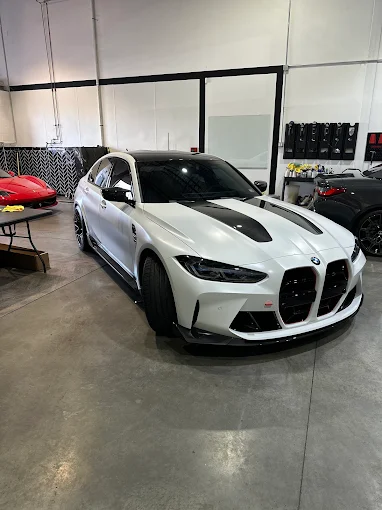
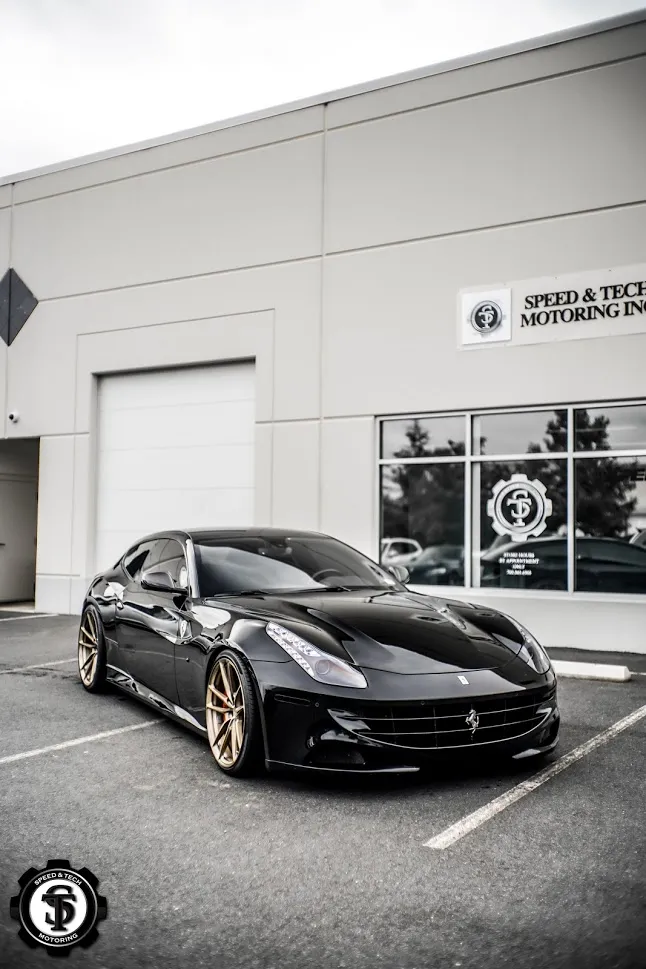
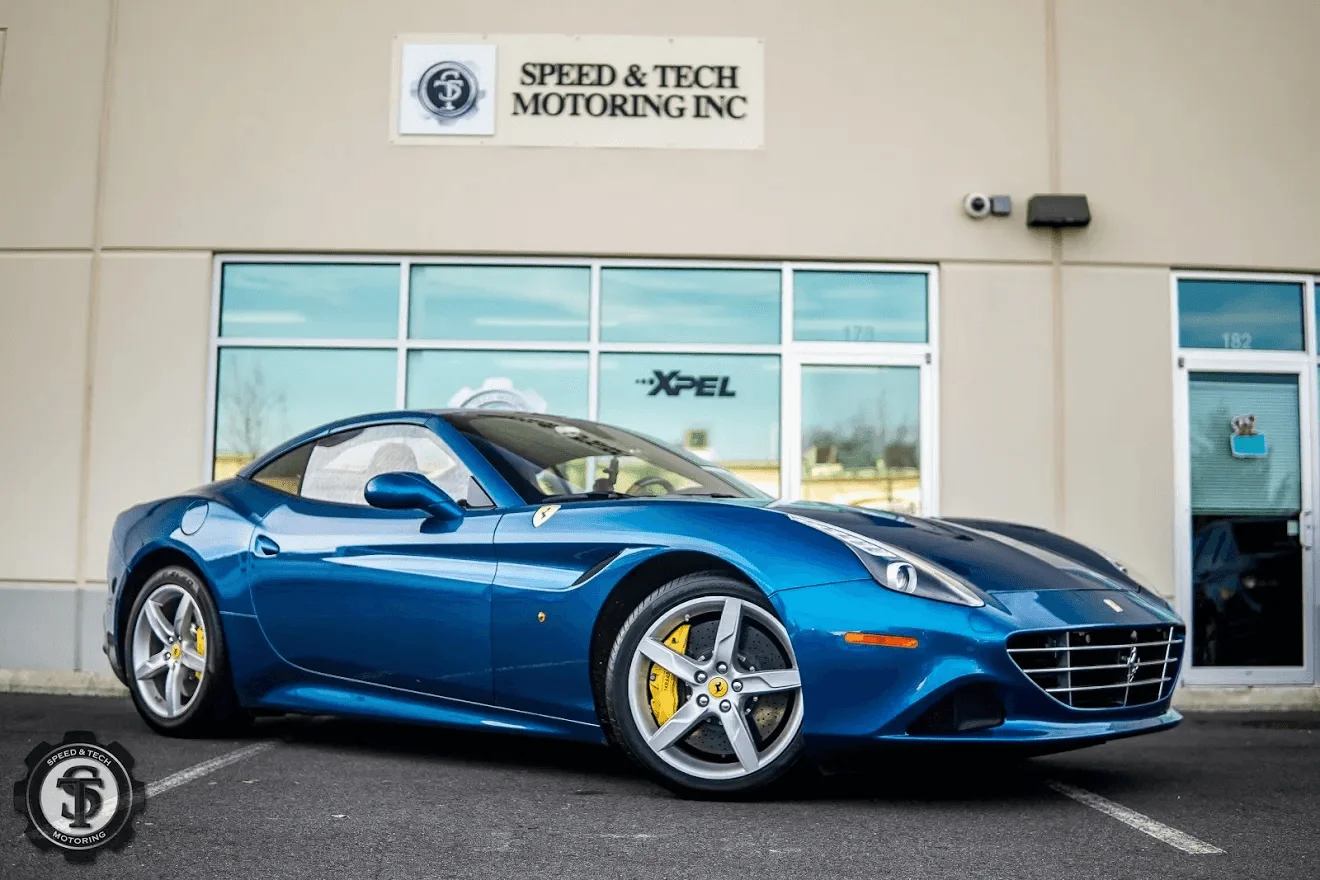
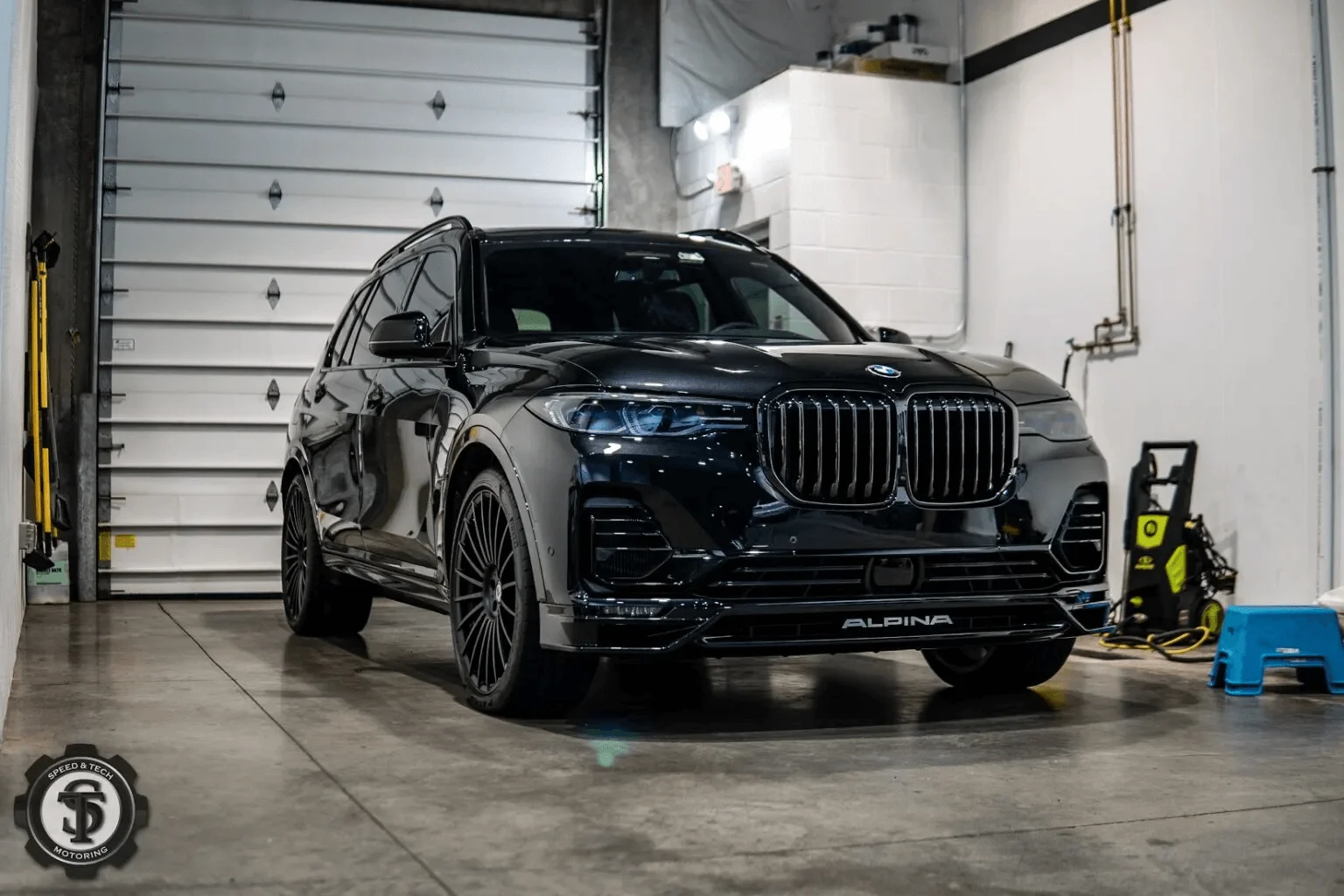
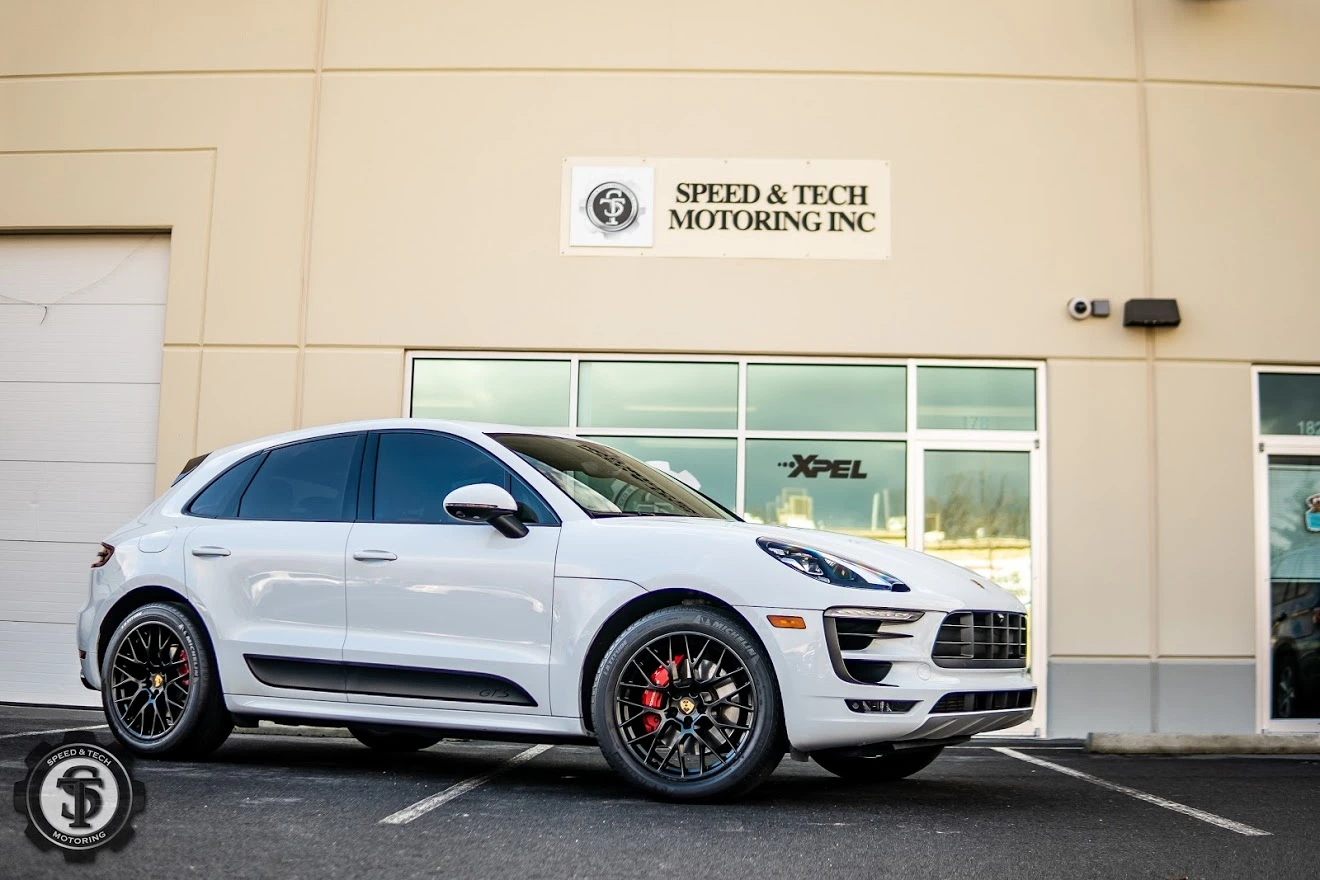
Luxury sedans, sports cars, and exotic vehicles benefit the most from comprehensive protection. The paint is often softer than mass-market finishes, the replacement costs are significantly higher, and resale value depends heavily on the condition of the exterior. Full body PPF becomes genuinely practical on these vehicles, and the ceramic coating on top adds both gloss and long-term paint preservation. Shops with certified installers handle these vehicles regularly, and Speed & Tech Motoring is a good example of a shop in Sterling, VA that works with Porsche, BMW, and Corvette owners on exactly this kind of full-protection approach.
Electric Vehicles
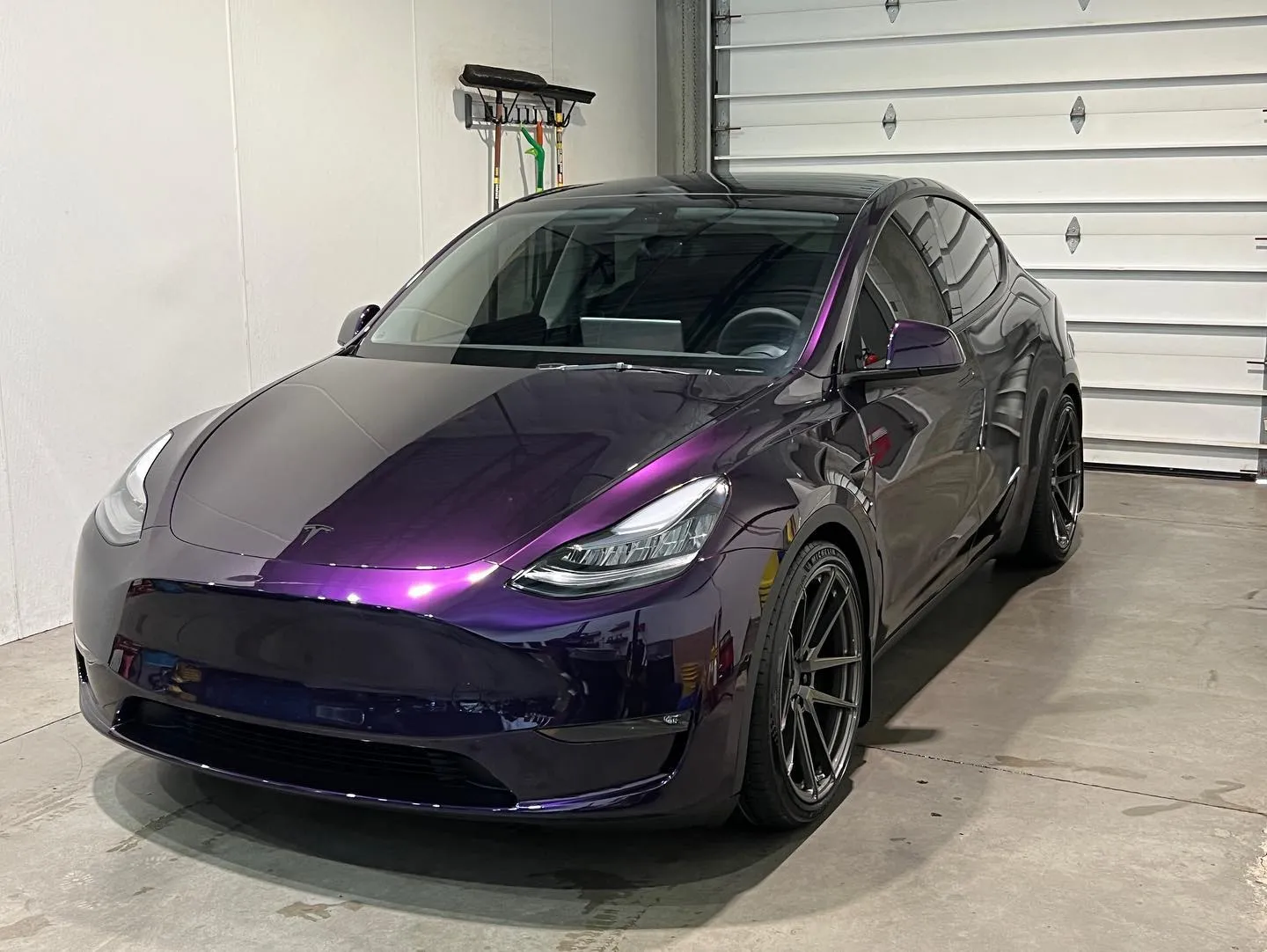
EVs bring their own considerations to the car protection conversation. Tesla, Rivian, Cybertruck, and similar vehicles often have softer factory paint than traditional manufacturers and more sensitive camera and sensor systems integrated into the bodywork. Ceramic window tint is particularly important on EVs because the heat rejection reduces climate control load, which extends battery range on hot days. PPF is particularly relevant on Teslas because of how prone their paint is to chipping. The whole protection trio makes more sense on an EV than on almost any other vehicle class.
What Professional Installation Should Look Like
The quality of installation matters as much as the quality of the film, coating, or tint itself. A great product installed poorly performs worse than a mid-grade product installed well. Here is what professional work actually looks like when a qualified shop does it right.
Prep Work and Paint Correction
Good installation starts long before anything touches the vehicle. A thorough wash, decontamination of the paint to remove embedded iron particles and tar, and often a round of light paint correction to remove existing swirl marks and minor defects. This prep step matters because PPF and ceramic coating lock in the condition of the paint underneath. You do not want to seal in imperfections.
Controlled Installation Environment
PPF and ceramic coating both require a dust-controlled environment to install cleanly. Any particle that gets trapped between the film and the paint, or under the coating, becomes a permanent imperfection visible every time you look at the vehicle. Shops with dedicated installation bays, proper lighting, and air filtration produce dramatically better results than parking lot or driveway installations. This is part of why car protection in Sterling, VA should be handled at an established shop rather than a mobile operation.
Curing and Aftercare Guidance
After installation, both PPF and ceramic coating need curing periods. PPF typically takes 48 to 72 hours for the adhesive to fully bond. Ceramic coating can take 24 to 48 hours to fully cure depending on the product. A quality shop provides written aftercare instructions covering washing, exposure to rain, and any other early-life considerations. Following those instructions protects the work for the full duration of its warranty.
How to Evaluate a Car Protection Shop Before You Book
Doing a little homework before handing over your keys saves serious money and frustration. Here are the questions worth asking any shop in the Sterling area before you commit to a project.
What film and coating brands do you use, and what specific product line is included in my quote? A shop using professional-grade XPEL, 3M, or comparable products will name the exact product without hesitation. Budget shops often dodge this question or mention vague generic labels.
Are your installers certified by the manufacturer? Manufacturer certification is a real training investment, and shops that have it tend to deliver better installations with fewer issues down the road.
What warranty is included, and is it backed by the manufacturer or the shop? Meaningful warranties cover bubbling, peeling, delamination, yellowing, and color change. Weak warranties cover almost nothing in writing.
Can I see your portfolio of completed work and reviews? A legitimate shop welcomes portfolio requests because the work speaks for itself. Hesitation on this question is a red flag.
What does your installation environment look like? Dust-controlled bays, proper lighting, and organized workspaces matter. A curbside or driveway install, even with premium film, rarely produces premium results.
Conclusion
Car protection Shop in Sterling, VA is no longer optional for drivers who want to preserve the condition, appearance, and value of their vehicle over the long term. In a climate like Virginia’s, with heavy commuting traffic, salted winter roads, and hot summer sun, leaving a vehicle unprotected is a decision that costs real money quietly over years. The good news is that modern protection products solve the problem permanently when installed correctly.
PPF handles impact protection. Ceramic coating handles chemical and environmental protection. Window tint handles heat, UV, and comfort. Together, the three form a complete shield around your vehicle that pays for itself through preserved paint, protected interior, and stronger resale value when it is time to sell. For drivers in Sterling, VA and across the broader Northern Virginia area, Speed & Tech Motoring brings XPEL certification, 15 years of experience, and the full car protection ecosystem under one roof. Do the homework, ask the right questions, and invest in protection that actually holds up.
Frequently Asked Questions
How soon after buying a new car should I install PPF and ceramic coating?
As early as possible. The ideal window is within the first few weeks of ownership, before the paint picks up any chips, swirl marks, or chemical etching. Installing protection on a factory-fresh finish locks in that pristine condition for years. Waiting six months or a year often means paying for paint correction before installation to restore the paint to its original state.
Can PPF be installed over an existing ceramic coating or vice versa?
PPF is typically installed first, directly onto the clean, corrected paint. Ceramic coating can then be applied over the PPF and over any remaining exposed paint on the vehicle. Installing ceramic first and PPF second is possible in some cases but generally not the preferred sequence because the film bonds better to paint than to cured coating.
Does ceramic coating make my car completely scratch-proof?
No. Ceramic coating adds a hard protective layer but does not stop rock chips, deeper scratches, or physical impacts. For that kind of protection, PPF is the right product. Ceramic coating is best at repelling water, chemical contamination, and making the paint easier to clean.
How much does a complete car protection package typically cost?
Pricing varies based on vehicle size, the specific products chosen, and the coverage level. A front-end PPF kit with full-vehicle ceramic coating and full window tint generally runs into the low to mid thousands for a typical sedan or SUV. Luxury and exotic vehicles with full body PPF can run significantly higher. A reputable shop provides a written itemized quote that breaks down every line of the project.
Will window tint affect my car’s advanced driver assistance systems?
Quality ceramic tint applied professionally should not cause any interference with cameras, radar, or sensors. Older metallic tint films can interfere with GPS, cell signal, and some driver assistance features, which is one of the main reasons professional shops have moved almost entirely to ceramic-based films. Always confirm with your installer that the product being used is compatible with your specific vehicle’s technology package.