


Common car problems in Sterling, VA usually announce themselves with a warning sign long before a breakdown. Dashboard lights, new noises, odd smells, and fluid spots each point to a different level of urgency. Knowing which signs mean stop and which can wait protects both safety and budget.
At Speed & Tech Motoring in Sterling, detailers diagnose these problems on European, performance, and electric vehicles. This guide ranks each warning sign by urgency and explains what a driver should do next.
What Are the Most Common Car Problems Drivers Face in Sterling, VA?
The most common problems come from the systems that work hardest: brakes, batteries, tires, cooling, and the engine’s sensors. Drivers in Sterling put steady miles on Route 28, Route 7, and the Dulles Toll Road, so wear builds quickly.
Almost every one of these problems provides advance notification. A change in feel, sound, smell, or dashboard display usually appears well before the actual failure.
This guide groups warning signs into urgency tiers, starting with the signs that call for stopping immediately.
Which Warning Signs Mean Stop Driving Right Now?
The mechanical team at Speed & Tech Motoring treats these signs as urgent. The diagnostic and repair services appear on the auto repair and mechanical services page.
Overheating or a Rising Temperature Gauge
Steam, a hot smell, or a temperature gauge in the red zone means the engine is overheating. Pull over safely and shut the engine off, because continued driving can cause severe engine damage.
A Flashing Check Engine Light
A flashing light signals an active engine misfire that can damage the catalytic converter. Reduce speed, avoid hard acceleration, and arrange a professional diagnosis immediately.
A Red Brake Light, Soft Pedal, or Grinding Brakes
A pedal that sinks toward the floor means braking is compromised. So does a red brake light that stays on with the parking brake released, or metal-on-metal grinding. Stop driving and call for a tow instead of risking longer stopping distances.
A Low Oil Pressure Warning
The oil pressure light means the engine is not receiving enough lubrication. Shut the engine off promptly, since even a short drive can cause serious internal damage.
Which Warning Signs Should Be Checked Within a Week?
These signs are less urgent, but they point to wear that grows with time:
- A steady check engine light with normal driving
- Squealing brakes or a pedal that feels slightly softer
- Pulling to one side or steering wheel vibration at speed
- Slow engine cranking or dim headlights
- Fluid spots under the parked car
- A tire pressure warning light
- A rough idle or a sudden drop in fuel economy
A steady check engine light often traces to a sensor, a loose gas cap, or an emissions component. A diagnostic scan reads the stored code, which narrows the cause quickly. Scheduling service within a week prevents a small fault from becoming a substantial one.
What Do Dashboard Warning Lights Mean?
Dashboard colors follow a simple pattern. Red usually means stop or act immediately. Amber means schedule service soon, and green or blue shows an active system.
| Warning Light | What It Usually Means | Urgency |
| Check engine, steady | Engine or emissions sensor fault | Book within a week |
| Check engine, flashing | Active engine misfire | Stop and diagnose now |
| Brake system, red | Low fluid, brake fault, or parking brake | Stop now |
| Battery or charging | Charging system fault | Drive only to a shop |
| Oil pressure, red | Low oil pressure | Stop now |
| Coolant temperature | Engine overheating | Stop now |
| Tire pressure | Low pressure in one or more tires | Check within a day |
| ABS, amber | Anti-lock system fault | Book within a week |
Detailers at Speed & Tech Motoring use diagnostic tools to read stored codes before recommending a repair. That approach separates a minor sensor fault from a problem that needs immediate work.
Light symbols vary by manufacturer, so the owner’s manual remains the final reference for any symbol not listed.
What Do Strange Noises, Smells, and Leaks Tell Drivers?
Sounds, smells, and fluid colors give a technician strong clues. The table links common signs to likely causes and sensible next steps.
| Sign | Likely Cause | Next Step |
| Squealing when braking | Worn brake pads | Book a brake inspection |
| Grinding when braking | Pads worn down to metal | Stop and call for service |
| Clicking when turning | Worn axle joint | Book within a week |
| Humming that rises with speed | Wheel bearing or tire wear | Book within a week |
| Sweet smell | Coolant leak | Check soon |
| Burning smell | Oil leak or overheated brakes | Pull over safely |
| Rotten egg smell | Catalytic converter problem | Book soon |
| Brown or black spots | Engine oil leak | Book within a week |
| Green, orange, or pink spots | Coolant leak | Check soon |
| Red spots | Transmission or power steering fluid | Book soon |
| Clear water near the front | Normal air conditioning condensation | No action needed |
Noting when each sign appears, such as only when cold, helps the technician reproduce the problem. That information speeds up the diagnostic process considerably.
Why Do Brakes, Tires, and Batteries Wear Faster Around Northern Virginia?
Stop-and-go traffic on Route 28 and the Dulles Toll Road keeps brakes working constantly. Heavy braking wears pads and rotors faster than steady highway driving.
Hot, humid summers strain batteries and tires, and winter cold snaps add more stress. Freeze-thaw cycles also create potholes that knock alignment and suspension out of position.
Frequent short trips add to the accumulated wear. A battery and engine that rarely run long enough to warm up age faster.
Do BMW, Porsche, and Tesla Owners See Different Warning Signs?
European and Performance Cars
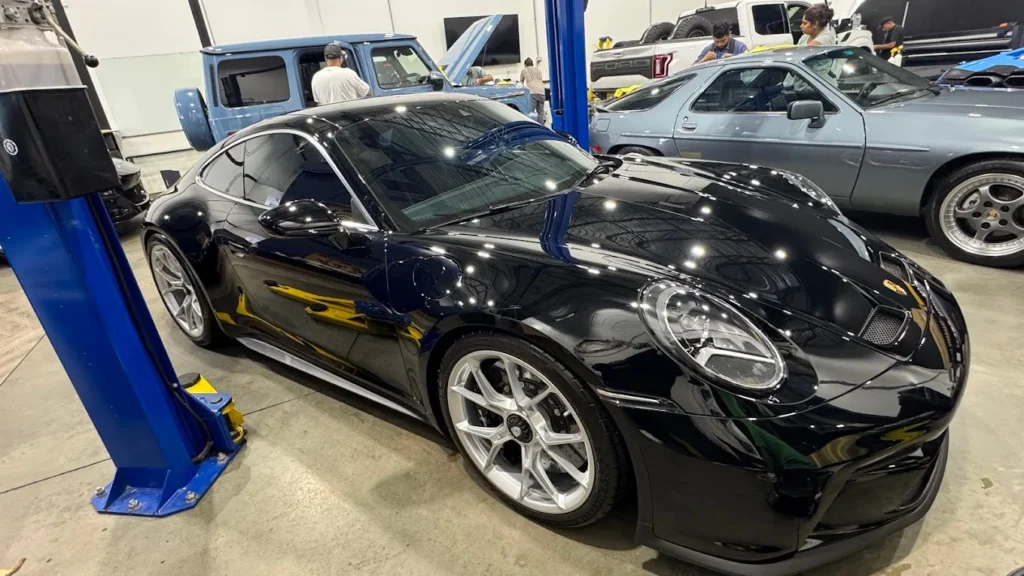
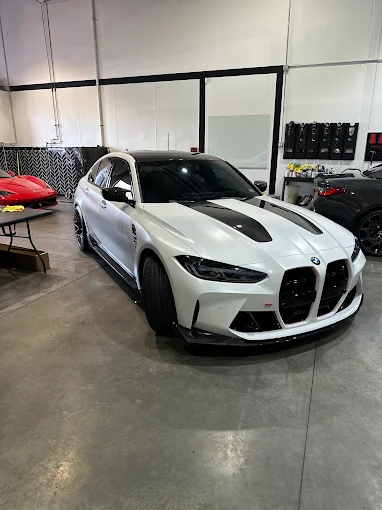
BMW and Porsche models carry more sensors and warning messages than older cars, so one light can have several causes. Brake wear sensors, oil level monitors, and stability alerts often appear before a mechanical symptom. OEM or OEM-spec parts and correct diagnostic tools keep repairs aligned with the manufacturer’s design.
Electric Vehicles
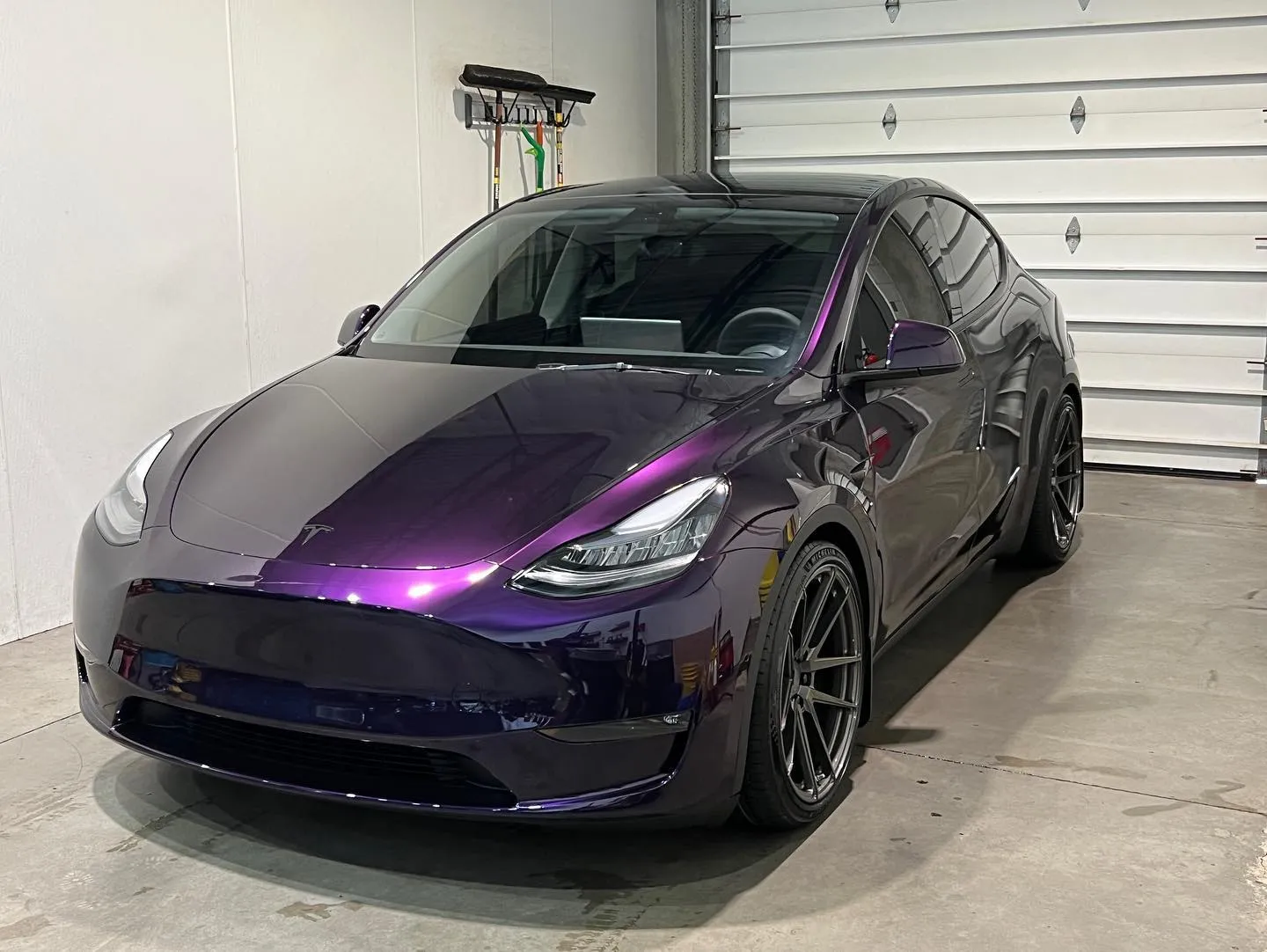
Electric vehicles show no oil or exhaust warnings, but they still display brake, tire, coolant, and high-voltage alerts. Reduced range or a charging fault calls for a prompt diagnostic visit. Regenerative braking can hide brake wear until a noise or message appears.
Which Basic Checks Can Drivers Do Before Calling a Shop?
A few simple checks give a technician useful information and sometimes explain a minor warning:
- Tire pressure, measured with a gauge when the tires are cold
- Engine oil level on the dipstick, with the car parked on level ground
- Coolant reservoir level, checked only when the engine is completely cold
- Gas cap tightness after any recent fill-up
- Visible corrosion on the battery terminals
- Headlights, brake lights, and turn signals
Never open a hot radiator or coolant cap, because pressurized coolant can cause serious burns. These checks do not replace a diagnostic scan, and a warning light still needs professional attention.
What Should a Driver Do When a Warning Sign Appears?
A clear, organized routine keeps a stressful situation manageable:
- Reduce speed and move to a safe place when the sign is red or the car feels unsafe.
- Note what happened, including the sound, light, speed, and weather.
- Check the owner’s manual for the symbol and basic checks, such as the gas cap and fluid levels.
- Call a shop and describe the symptom in plain terms.
- Ask for a written estimate that lists the problem, parts, and labor.
The Federal Trade Commission’s auto repair basics guide explains why written estimates and approval before added work protect drivers. It also lists the check engine and brake lights as reasons to get a diagnosis.
Does Loudoun’s Emissions Inspection Change When Repairs Should Happen?
Vehicles garaged in Loudoun County must pass an emissions inspection, and each inspection is valid for two years. Virginia DMV will not register or renew a vehicle in the program until it passes or receives a waiver.
Newer vehicles are exempt for up to four years, so the requirement matters most for older cars. A diagnostic scan before the inspection date reveals stored fault codes while there is still time to repair them.
Completing repairs early also avoids a rushed registration renewal.
Conclusion
Common car problems warn drivers early. Red lights, a flashing check engine light, grinding brakes, and overheating mean stop now. Steady lights, noises, and leaks mean book within a week.
For Sterling drivers, Speed & Tech Motoring provides diagnostics, brake service, and scheduled maintenance. The regular car maintenance guide shows how routine service keeps these warning signs from appearing.
Frequently Asked Questions
What are the most common car problems drivers should watch for?
The most common problems involve brakes, batteries, tires, overheating, and the check engine light. Each usually warns first through noise, vibration, smell, or a dashboard light. Catching the sign early keeps repairs smaller, so book a diagnostic visit as soon as anything feels different.
Is it safe to drive with the check engine light on?
A steady light usually allows short, careful trips to a shop, but it should be diagnosed within a week. A flashing light signals an active misfire, so reduce speed and stop driving soon. Overheating, low oil pressure, or a red brake light alongside any light means pull over immediately.
What does it mean when my brakes squeal or grind?
Squealing often means brake pads are wearing thin, and it is time to book an inspection. Grinding means the pads have worn to metal and are damaging the rotors, so driving should stop right away. Early service is far less expensive, safer, and cheaper than waiting for grinding to start.
Why is my car shaking or pulling to one side while driving?
Shaking at speed often points to unbalanced tires or worn suspension parts, while pulling to one side suggests alignment problems, uneven tire pressure, or a sticking brake. Both wear tires faster and affect control, so a technician should inspect the car within a week to find the cause.
How often does Loudoun County require an emissions inspection?
Vehicles garaged in Loudoun County need an emissions inspection that stays valid for two years, and registration cannot be renewed until the vehicle passes or receives a waiver. Newer vehicles are exempt for up to four years. A diagnostic scan before the due date leaves time for repairs.
Do electric vehicles like Teslas show the same warning signs as gas cars?
Electric vehicles skip oil, exhaust, and spark plug warnings but still show brake, tire, coolant, charging, and battery alerts. Reduced range or a charging fault deserves a prompt diagnostic visit. Regenerative braking can hide brake wear until a noise or message appears. Annual brake checks help.