
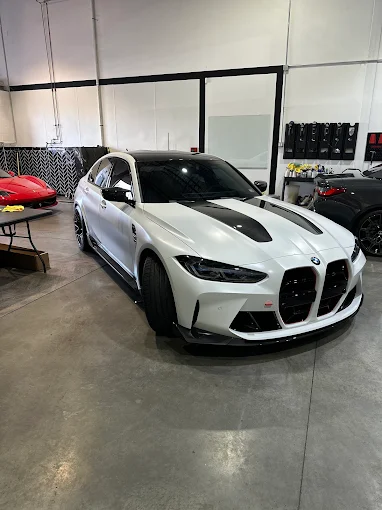
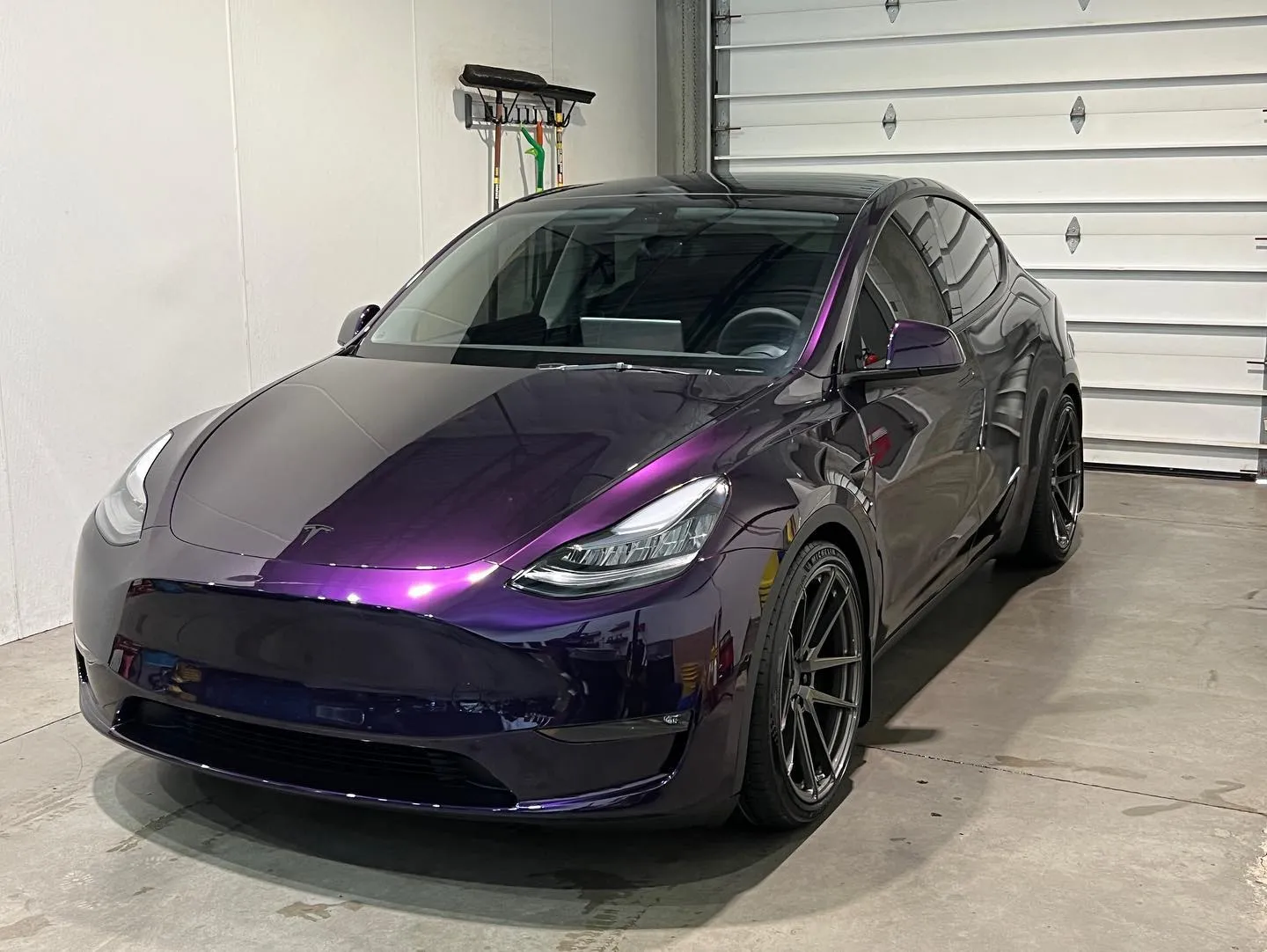
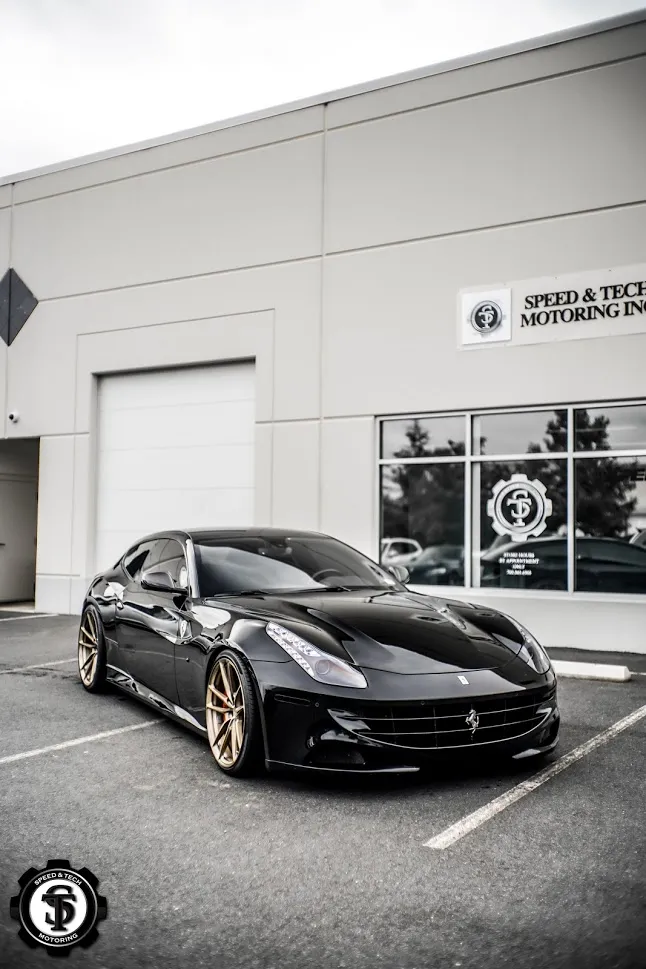
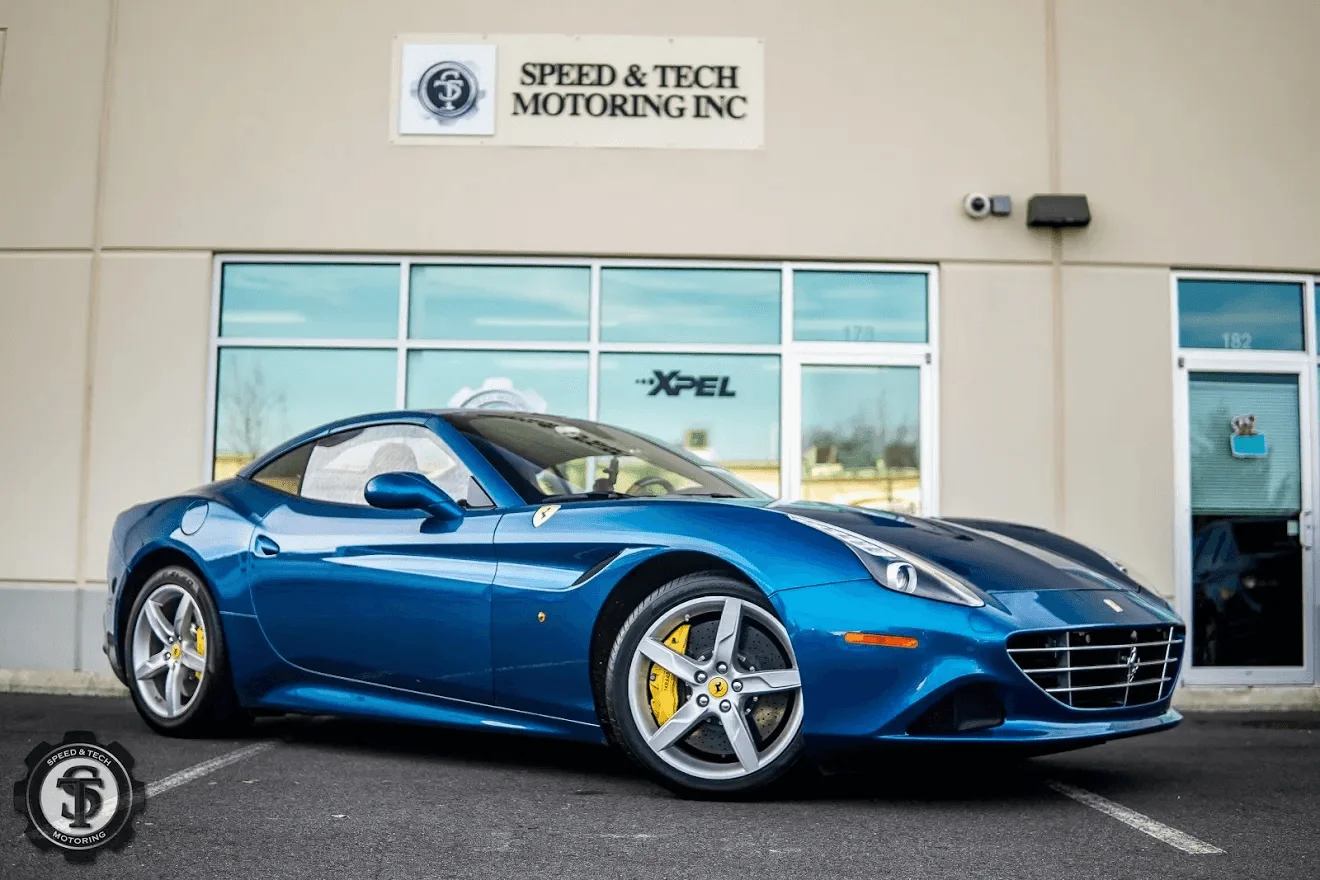
Every driver has faced that heart-sinking sound — the sharp ping of gravel hitting the car’s front bumper. Tiny stones, debris, and grit can do more harm than most realize. They don’t just scratch the surface; they gradually eat away at your car’s finish, dulling its shine and exposing the paint beneath. Over time, this leads to rust, fading, and costly touch-ups that no one wants to deal with.
That’s where paint protection film (PPF) comes in. At Speed & Tech Motoring, experts rely on advanced PPF systems that act like invisible armor. These films are engineered to absorb the impact of road debris and gravel before it reaches your vehicle’s paint, keeping your ride looking fresh for years.
What Is Paint Protection Film (PPF)?
The Composition and Structure of PPF
Paint protection film Sterling VA is a transparent thermoplastic urethane material applied to painted surfaces. It’s flexible, durable, and designed to self-heal minor damage. The film consists of multiple layers: a clear coat for gloss and UV resistance, a urethane middle for elasticity, and an adhesive base that bonds securely to the vehicle’s paint. Together, these layers form a shield that absorbs and disperses impact.
The composition isn’t just about toughness — it’s about balance. A good PPF must be strong enough to deflect road debris but flexible enough to move with your vehicle’s contours. This allows it to maintain perfect clarity and protection, even under harsh conditions.
The Self-Healing Feature Explained
One of the stand out qualities of PPF is its self-healing topcoat. When small scratches or swirl marks occur, heat from the sun or warm water allows the film to return to its original smooth form. This thermoplastic memory means your car’s surface can “heal” itself from minor imperfections without any manual effort.
It’s not magic — it’s material science. The polymers inside PPF react to temperature changes, softening and re-bonding at a molecular level. The result? A flawless finish that endures through everyday wear.
Why Road Debris and Gravel Are So Damaging
The Physics of Impact on Vehicle Paint
When gravel strikes a moving vehicle, the force of impact can exceed several hundred pounds per square inch. Even a small stone, propelled by high speed, can penetrate the clear coat and chip away at paint. Once the protective surface breaks, moisture and oxygen sneak underneath, leading to oxidation and peeling.
This process happens gradually, but the effects are long-lasting. Without protection, a single chip can spread over time, creating a patchy and uneven surface. That’s why investing in impact resistance isn’t just about aesthetics — it’s about preserving your car’s structural integrity.
Common Sources of Road Debris
You might think gravel is the only threat, but modern roads are full of hazards: loose asphalt, construction residue, road salt, and even tire fragments. Each of these can cause small abrasions or etching that dulls paint.
Vehicles on highways or rural roads face even more challenges. Trucks often kick up stones, while construction zones scatter sharp particles. These everyday hazards are unavoidable — but with PPF, your car gets a fighting chance.
How PPF Works as a Protective Barrier
Impact Absorption and Energy Dispersion
When debris hits a car’s surface protected by PPF, the energy doesn’t directly transfer to the paint. Instead, it spreads across the film’s elastic surface, reducing the impact at any single point. Think of it like a trampoline — it absorbs and disperses the energy, minimizing damage.
This flexible structure means that even when rocks or grit strike at high speed, the paint underneath remains untouched. It’s a simple yet effective way of managing impact force through material engineering.
Shielding Against Micro-Abrasions and Chips
Over time, continuous exposure to dust, sand, and gravel can create micro-abrasions that dull your paint’s clarity. PPF forms a physical barrier that prevents these fine scratches from reaching the surface.
Real-World Example: Driving on Gravel Roads
Imagine driving through a freshly paved construction zone. Without protection, your vehicle’s front fascia, side mirrors, and rocker panels would likely end up pitted and scarred. With PPF, those same particles bounce harmlessly off, leaving the paint pristine.
The Science Behind PPF’s Durability
Elastic Memory and Thermoplastic Urethane Technology
PPF’s strength lies in its thermoplastic urethane structure. This material is both elastic and resilient, allowing it to flex under pressure and return to its original shape. When gravel hits, the surface bends slightly to absorb shock instead of cracking.
Elastic memory is what sets PPF apart from older coatings. It allows the film to maintain a tight grip on curves, edges, and corners — areas most prone to damage — ensuring consistent protection everywhere.
The Role of Film Thickness in Protection
Thickness directly influences a film’s ability to with stand impact. Standard PPF thickness ranges from 6 to 10 mils (about 0.006 to 0.010 inches). Thicker films can absorb more energy, making them ideal for high-speed driving or off-road conditions.
However, thicker doesn’t always mean better. Precision installation ensures the film’s balance between flexibility and strength. That’s why professional installers like Speed & Tech Motoring carefully choose the right film for each vehicle type and usage pattern.
Comparing PPF to Other Paint Protection Options
PPF vs. Wax and Sealants
Traditional waxes and sealants offer a glossy finish but provide little to no physical protection. They might repel water and light dust, but they can’t stop gravel impacts or prevent scratches.
In contrast, PPF acts as a true physical shield. It’s not just surface-level — it’s impact-absorbing, UV-resistant, and self-healing. Waxes may enhance shine, but PPF preserves both shine and structure.
PPF vs. Ceramic Coating
Ceramic coatings and PPF often get compared, but they serve different purposes. Ceramic coatings provide chemical resistance, water beading, and enhanced gloss. PPF, however, protects against physical damage like chips and scratches.
In fact, many professionals apply ceramic coating on top of PPF for dual-layer defense. This combination offers the best of both worlds — impact resistance from the film and hydrophobic protection from the coating.
Environmental and Seasonal Benefits of PPF
Protection from UV Rays and Oxidation
Constant exposure to the sun can fade paint over time. PPF blocks ultraviolet rays that cause oxidation and discoloration, keeping colors rich and consistent.
This UV resistance is especially valuable in hot climates, where intense sunlight accelerates paint degradation. By blocking UV, PPF helps maintain that showroom finish year-round.
Guarding Against Road Salt and Winter Wear
In colder regions, road salt and brine mixtures cause corrosion and staining. These chemicals stick to exposed metal and paint, leading to rust.
PPF forms a non-porous barrier that resists salt penetration. Even when roads are wet and dirty, the film ensures contaminants can’t reach the paint — a huge advantage for winter driving.
Long-Term Advantages of Paint Protection Film
Reduced Maintenance and Repainting Needs
Because PPF absorbs damage before it reaches your car’s paint, you won’t need frequent detailing or repainting. It prevents swirl marks, chips, and scratches, drastically reducing maintenance costs.
Less repainting also means fewer chemical pollutants released into the environment, making PPF an eco-conscious investment.
Maintaining Vehicle Aesthetics and Value
A car with original, well-preserved paint commands higher resale value. PPF keeps that paint intact, maintaining a polished appearance for years.
Dealerships and buyers alike notice the difference — a vehicle protected with PPF simply looks newer, even after years of use.
Common Myths About PPF Debunked
“PPF Makes Paint Dull” and Other Misconceptions
Some believe PPF reduces shine, but modern films are optically clear and often enhance gloss. They create a mirror-like finish while shielding the surface beneath.
High-end films from professional shops like Speed & Tech Motoring are virtually invisible, blending seamlessly with the paint’s natural tone.
“It’s Only for Expensive Cars” — The Truth
PPF isn’t limited to luxury vehicles. Whether you drive a daily commuter or a performance car, the same principles of protection apply.
Road debris doesn’t discriminate by car type — and neither should protection. Any car that travels regularly benefits from paint protection film.
How Speed & Tech Motoring Perfects PPF Application
Precision Installation and Edge Wrapping
Proper PPF installation requires precision. Technicians at Speed & Tech Motoring use digital pattern software to ensure exact fits, wrapping film around edges and curves for invisible protection.
Every installation is done in a controlled environment to avoid dust, bubbles, or misalignment, ensuring clarity and longevity.
Using Advanced Paint Protection Film Technology
Speed & Tech Motoring works with industry-leading PPF brands that feature advanced hydrophobic coatings, UV blockers, and self-healing polymers.
Their process prioritizes accuracy, ensuring that every surface — from headlights to door handles — receives full coverage and long-term defense.
Speed & Tech Motoring Serving the Ryan, Community and Beyond in Ashburn, VA
Speed & Tech Motoring is dedicated to serving the diverse needs of the local community of Ashburn, VA. Including individuals residing in neighborhood like Ryan With its convenient location near landmarks such as the Broadlands Wetlands Preservation Area, Atley on the Greenway Apartments and major intersections like Mooreview Pkwy & Claude Moore Dr and Broadlands Blvd & Mooreview Pkwy (coordinates: 39.008553, -77.500408), we offer PPF services.
Get PPF Services at Ryan Now
Navigate from Ryan to Speed & Tech Motoring Now
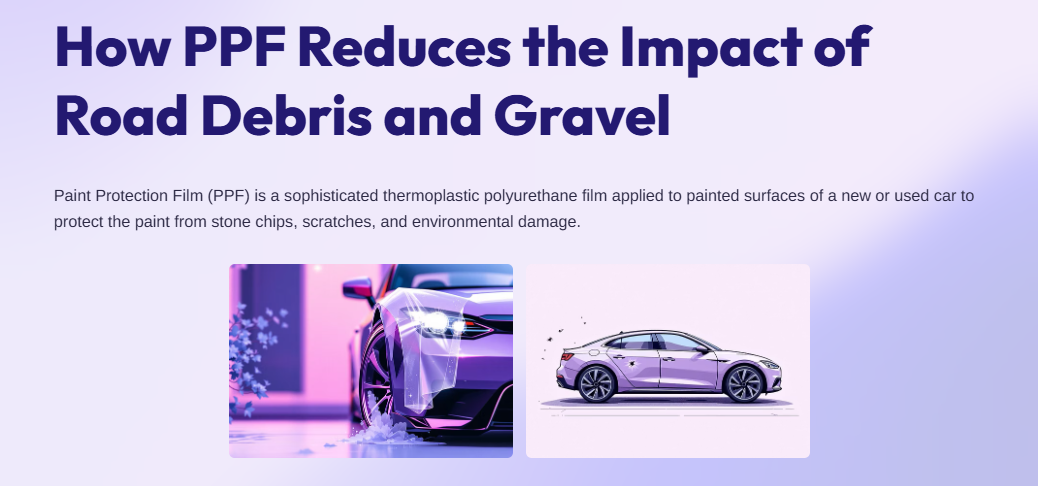
How PPF Reduces the Impact of Road Debris and Gravel?
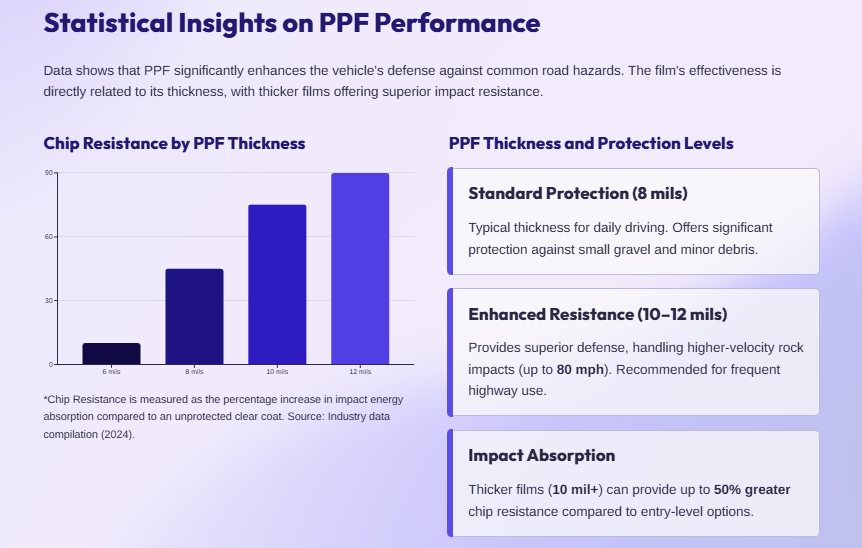
- PPF Thickness & Protection Levels:
- Typical thickness ranges from 6 to 12 mils (0.006″–0.012″)
- 8 mils: Standard protection against gravel and minor debris
- 10–12 mils: Enhanced resistance to high-speed rock impacts (up to 80 mph)
- Impact Absorption & Damage Reduction:
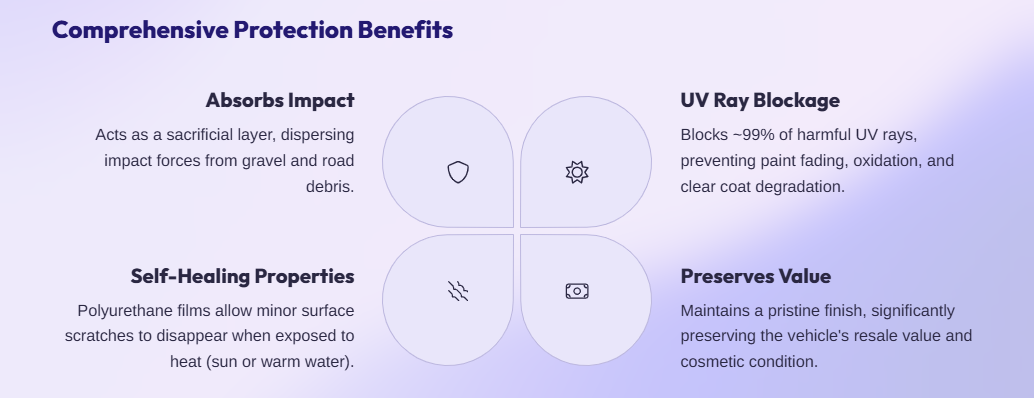
- PPF acts as a sacrificial layer absorbing and dispersing impact forces from gravel and road debris
- Self-healing polyurethane films allow minor scratches to disappear with heat exposure
- Thicker films (10 mil+) provide up to 50% greater chip resistance compared to thinner films
- Additional Protective Benefits:
- Blocks ~99% of harmful UV rays, preventing paint fading and oxidation
- Preserves vehicle resale value by maintaining pristine paintwork
- Professional installation ensures optimal adhesion and longevity (3–10 years depending on thickness and conditions)
- Visual Data Highlights (suggested charts):
- Bar chart comparing chip resistance (%) by PPF thickness (6, 8, 10, 12 mils)
- Line graph showing impact velocity tolerance vs. PPF thickness
- Pie chart of damage types prevented by PPF: rock chips, scratches, UV damage, environmental contaminants
Sources: ccadetailing.com (2024), presidentialdetailing.net (2024), cm3detail.com (2024)
Paint protection film has transformed how car owners defend against gravel, debris, and the harsh realities of daily driving. It’s not just a shield — it’s a scientifically engineered membrane that absorbs impact, heals itself, and keeps vehicles pristine.
At Speed & Tech Motoring, PPF installations reflect a balance of technology and craftsmanship, ensuring every customer drives away with long-term protection that doesn’t just preserve paint — it preserves pride.
FAQs
Q1. Can paint protection film completely stop rock chips?
PPF can significantly reduce and often prevent rock chips, though extreme impacts may still cause minor marks.
Q2. How long does PPF usually last?
High-quality films last 7–10 years, depending on maintenance, driving conditions, and film brand.
Q3. Can PPF be washed and waxed normally?
Yes. You can wash PPF just like paint. However, always use non-abrasive cleaners and microfiber towels.
Q4. Does PPF yellow over time?
Modern films resist yellowing thanks to UV stabilizers that maintain transparency and gloss.
Q5. Can paint protection film be removed without damage?
Yes, PPF can be safely removed by professionals without affecting your original paint.
OUR OTHER BLOG POSTS RELATED PAINT PROTECTION FILM (PPF)
How Paint Protection Film Protect Vehicle Paint in Sterling, VA’s Harsh Conditions
Paint Protection Film Care: Complete PPF Maintenance Guide
Paint Protection Film: Ultimate Guide to Benefits, Types, and Protection for Your Car