
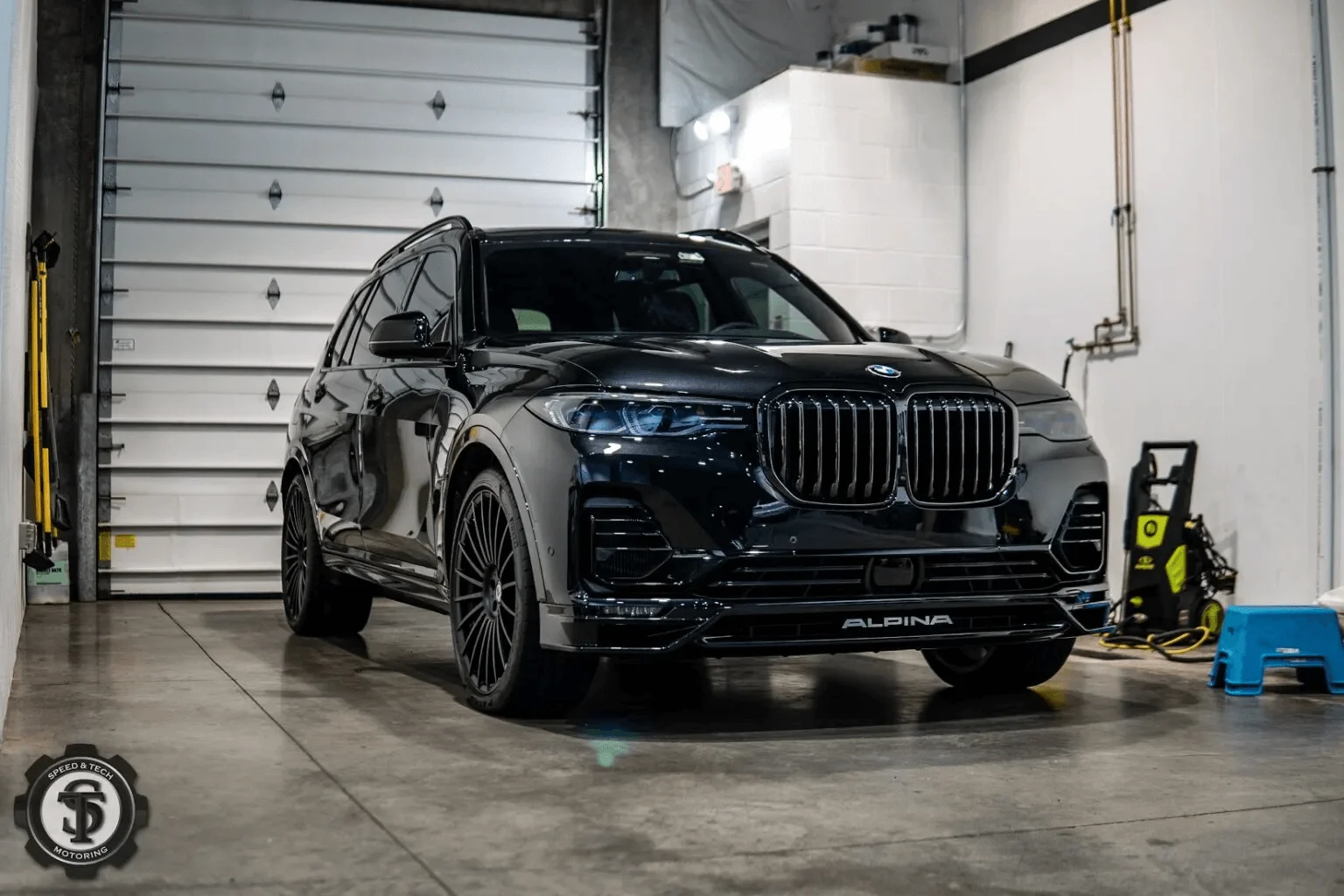
Every driver who considers Paint Protection Film asks the same question at some point. Is it actually worth the money? A full-body PPF job can run $5,000 to $8,000 or more on a luxury car, which is a real chunk of change. On the other hand, a single rock chip repair can cost $200 to $500, and a full repaint of one panel can run over $1,000. So the answer depends on your specific car, your driving habits, how long you plan to keep the vehicle, and what your paint is actually worth.
Sterling drivers face a unique mix of pressures that make this question even more relevant. The Loudoun County area has one of the highest concentrations of Teslas, Cybertrucks, Rivians, Porsches, and BMWs in the country, plus daily highway commutes on I-66, Route 28, and the Dulles Toll Road that punish unprotected paint. Speed & Tech Motoring has spent 15+ years helping Sterling drivers weigh this exact investment decision. This value-focused breakdown walks through the real math behind Paint Protection Film, when it truly pays off, and when you might be better off skipping it entirely.
The Real Value Question Behind PPF
Most articles on this topic focus on features and benefits. This one focuses on math and real-world ROI. When you spend $3,000 or $6,000 or $8,000 on a protective film install, what are you actually buying, and does the total value you get back over the ownership period cover the cost?
The short answer is yes, for the majority of Sterling drivers with vehicles worth protecting. But it depends on some specific factors we will walk through in detail.
What You Are Really Paying For
Before we get to the ROI math, understand exactly what this product does. This shapes the value calculation.
The Physical Barrier Advantage
Paint Protection Film is a thermoplastic urethane layer that physically bonds to your car’s paint and creates a real barrier against impact damage. Unlike ceramic coating (which is a chemical layer) or wax (which is a temporary polish), the film actually absorbs the energy of rocks, gravel, and debris before that energy reaches your paint. This is protection you can measure, not just marketing.
Self-Healing Technology
Modern Clear Bra film has a self-healing top layer. Minor scratches and swirl marks disappear when the film warms up in the sun or with warm water. The urethane surface literally reforms at the molecular level. This means your paint stays protected AND the film stays looking clean for years without visible wear.
UV and Chemical Protection
Beyond physical impacts, the protective layer blocks UV rays that fade paint over time. It also resists bird droppings, tree sap, bug splatter, and light chemical damage. All of these normally cause permanent paint issues. The film stops them before they ever reach the surface.
The Numbers: How Paint Protection Film Actually Pays Off
Here is the real math most articles skip. Let’s put actual dollar figures on what this coverage prevents.
The Cost of Fixing Rock Chip Damage
A single rock chip repair on a luxury car typically costs $200 to $500 depending on the panel, paint code, and shop. Now consider that a car without protection might collect 20 to 50 rock chips over 5 years of daily driving. That is $4,000 to $25,000 in cumulative repair costs, before you even factor in the frustration of touch-up paint that never perfectly matches.
The Cost of a Full Repaint
Repainting a single panel like a hood or bumper runs $1,000 to $2,500 on a luxury vehicle. A full car repaint runs $5,000 to $15,000 or more, and the result rarely matches the original factory finish perfectly. Once you repaint a car, sharp-eyed buyers can spot it, and resale value drops. A protective film prevents the damage that leads to these repair bills in the first place.
The Resale Value Boost
This is the number that surprises most drivers. Luxury vehicles with well-preserved original paint often sell for 10 to 15% more than identical vehicles with visible paint damage. On a $60,000 BMW or $80,000 Porsche, that is $6,000 to $12,000 in preserved value. Dealerships use Kelley Blue Book condition tiers, and cars with pristine paint qualify for the “Excellent” tier, which is worth $2,000 to $5,000 more on most luxury models than the “Good” tier.
Do the math on any luxury car and the film often pays for itself just at trade-in time.
When the Investment Is Absolutely Worth It
For these situations, this kind of protection is almost always a smart financial decision.
Luxury, Exotic, and Sports Cars
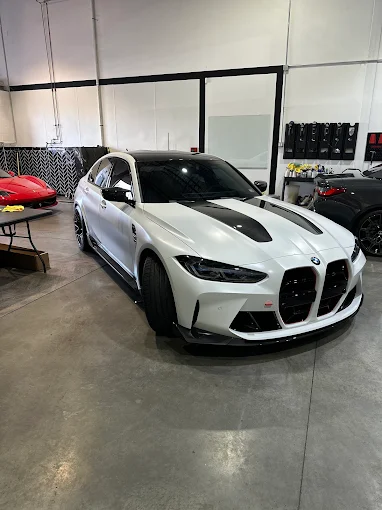
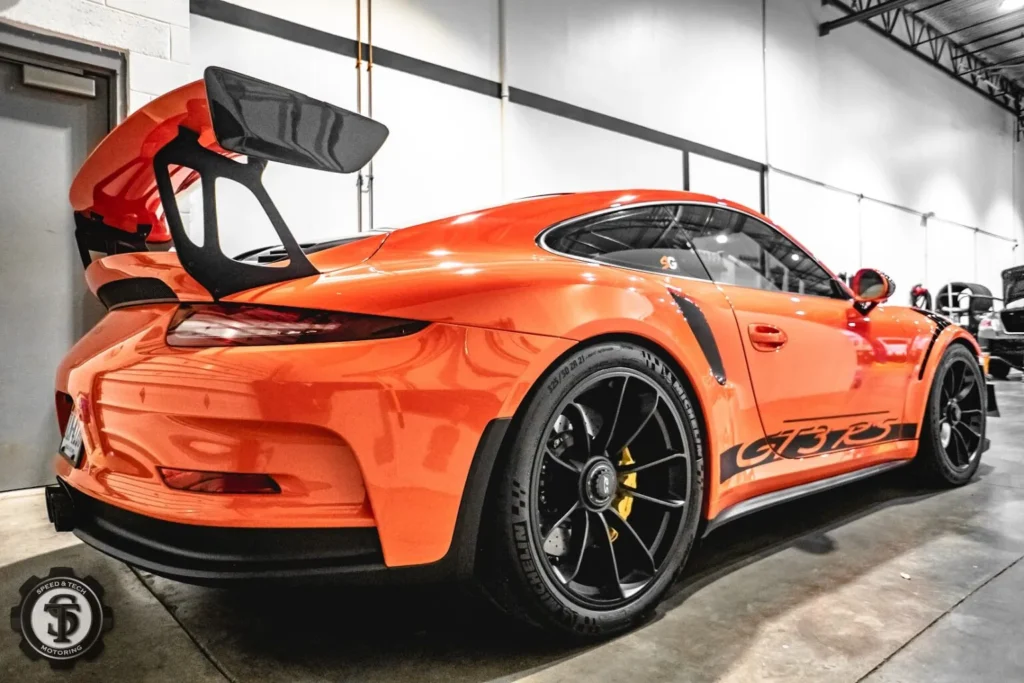
A car worth $50,000 or more almost always benefits from film coverage. The math works because a small percentage of the vehicle’s value goes toward protecting the biggest visual asset (the paint). Owners of Porsches, BMWs, Ferraris, Lamborghinis, and similar vehicles almost always come out ahead financially, plus they enjoy the car more without “chip anxiety” on every drive. When it comes to paint protection film in Sterling, VA, luxury and exotic owners consistently see the clearest wins on their investment.
Brand-New Vehicles
The best time to apply the film is when the paint is still perfect. Fresh factory paint protected from day one stays flawless for the entire ownership period. Applying protection later works too, but it means locking in any existing chips or swirl marks under the film. New car owners get the maximum return on their investment.
Daily Drivers on Sterling Highways
Interstate 66, Route 28, the Dulles Toll Road, and Loudoun County Parkway are packed with tractor-trailers, road debris, and construction zones. Every commute exposes the car to gravel spray, small impacts, and highway grime. Daily drivers on these routes see paint damage build up much faster than city drivers. A protective film install is one of the smartest choices for anyone with a long highway commute in the Sterling area.
Leased Vehicles
Leasing companies charge hundreds of dollars per damaged panel at lease return. Excessive wear and tear fees can easily hit $2,000 to $5,000 on a luxury lease. Applying protection for $2,500 to $4,000 keeps the car covered for the entire lease period, and the film peels off cleanly at return time. Many leased drivers come out ahead financially, especially on 3-year luxury leases.
Long-Term Ownership Plans
Planning to keep the car for 5, 7, or 10 years? The film becomes exponentially more valuable the longer you own the vehicle. The one-time investment protects the paint through the entire ownership period, and the resale value premium at year 7 or 10 more than pays for the original install cost.
Dark or Metallic Paint
Dark colors and metallic paints show rock chips more clearly than lighter colors. Even a few chips look dramatic on black, dark blue, or deep red paint. Metallic paints also cost more to color-match at repair time. Dark and metallic owners get exceptional value from film coverage because the visual damage is so much more noticeable without it.
When Paint Protection Film Might Not Be the Best Fit
Being honest about value goes both ways. This kind of protection is not always the right choice.
Very Low-Value Vehicles
A car worth $10,000 or less may not justify a $3,000 to $5,000 install. The math starts to break down when the film cost approaches 30 to 50% of the vehicle’s value. In these cases, ceramic coating alone might be a better fit for the budget. Any honest team offering PPF services in Sterling, VA will tell you upfront when the numbers do not add up for your specific car.
Short-Term Leases Under 2 Years
Very short leases where the vehicle is returning quickly may not justify full coverage. Partial protection on just the front bumper can still shield against the most likely lease damage charges without the full investment.
Cars With Existing Paint Damage
Applying film over damaged paint just locks in the damage under the surface. Any existing chips, swirls, or fading need to be fixed with paint correction before the film goes on, which adds cost. Cars with paint that is already significantly damaged may not justify the total investment compared to just accepting the current condition.
The Real Return on Investment for Sterling Drivers
Let’s look at the specific ROI factors for Sterling and Northern Virginia.
Northern Virginia Roads and Highway Debris
Sterling drivers face heavy commute traffic, construction zones near Dulles Airport, gravel spray from semi-trucks on I-66 and Route 28, and general highway wear. Cars driven daily in this area accumulate paint damage faster than in mild-weather cities. That means protection kicks in on real damage from day one, delivering measurable value quickly.
Weather-Related Paint Damage
Northern Virginia summers bring intense UV, high humidity, and tree sap from abundant vegetation. Winters bring occasional road salt and freeze-thaw cycles. Spring brings heavy pollen. All of these attack unprotected paint. A film barrier blocks the damage before it starts, which is especially valuable in the diverse weather this region sees year-round.
The Luxury and EV Market in Loudoun County
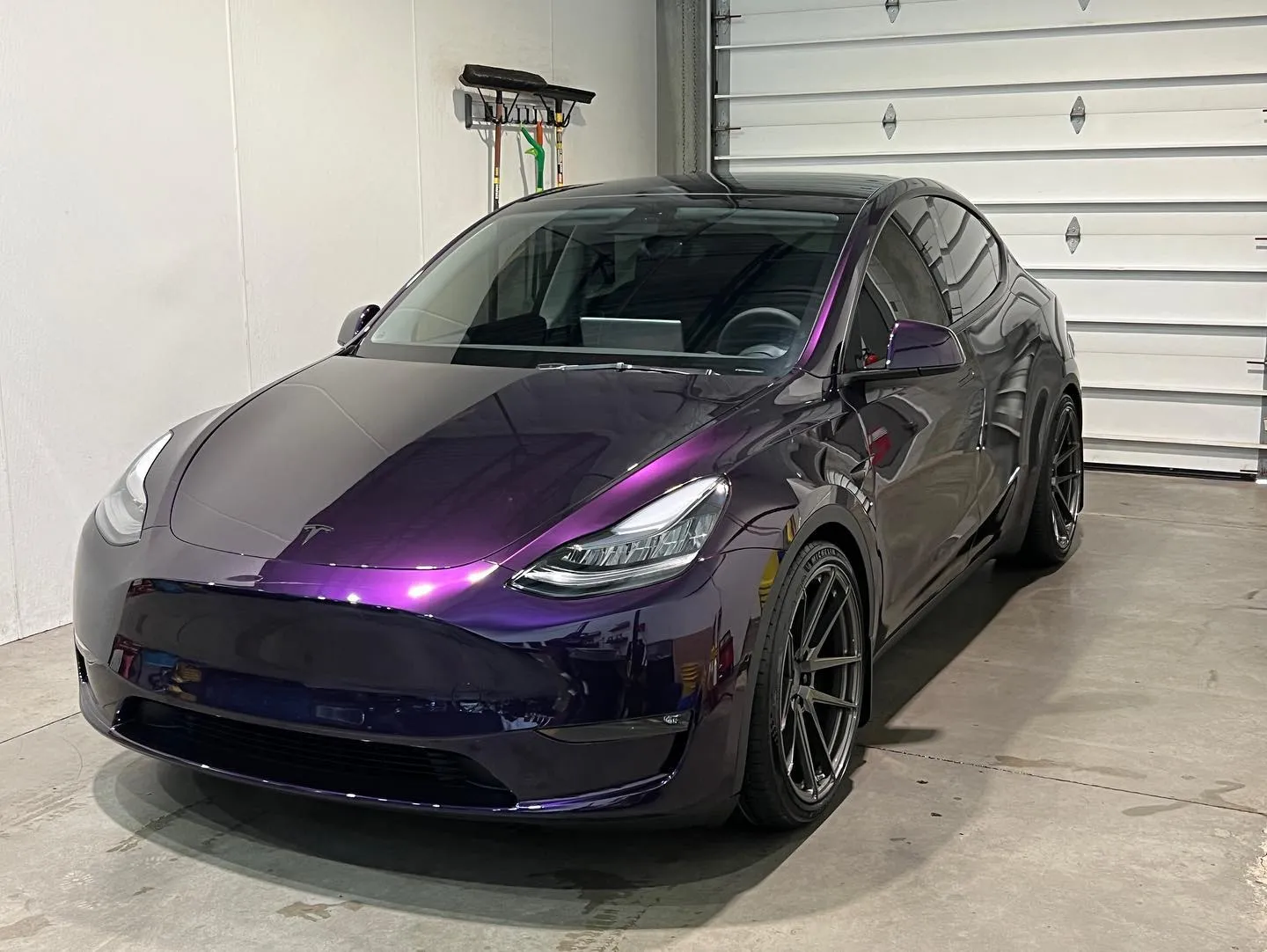
Loudoun County has one of the highest median incomes and one of the highest concentrations of premium vehicles in the country. Teslas, Cybertrucks, Rivians, BMWs, Porsches, and exotic cars are common in Sterling, VA. These vehicles benefit disproportionately from film coverage because their paint value is high and their resale market rewards flawless condition. Any professional PPF installer in Sterling, VA will confirm that the luxury market here makes this investment exceptional for most owners.
Full-Body vs Partial Coverage: Which Value Makes More Sense
You do not have to cover the entire car to get real value. Different coverage tiers deliver different ROI.
Partial Front Coverage
Partial front covers the bumper, part of the hood, and the mirrors. This is where 80% of rock chip damage happens. Total cost typically runs $600 to $1,200 in the Sterling area. Excellent ROI for drivers on a budget who want core protection.
Full Front Coverage
Full front adds the entire hood, both fenders, and often the headlights. This is where 90% of highway damage happens. Total cost typically runs $1,500 to $3,000. Best overall ROI for daily drivers because it shields the parts of the car most likely to get chipped.
Track Pack and Full Body Coverage
Track Pack adds rocker panels, A-pillars, and rear quarter panels. Total cost typically runs $2,500 to $4,500. Best for sports cars, off-road vehicles, and drivers who want maximum coverage on high-impact zones.
Full-body wraps cover the entire car in urethane film. Total cost typically runs $5,000 to $8,000+ for luxury vehicles. Best ROI for exotic cars, collector vehicles, and long-term ownership on very high-value cars. This is where a shop like Speed & Tech Motoring often works with local Tesla, Porsche, and exotic car owners.
How Speed & Tech Motoring Approaches PPF Value
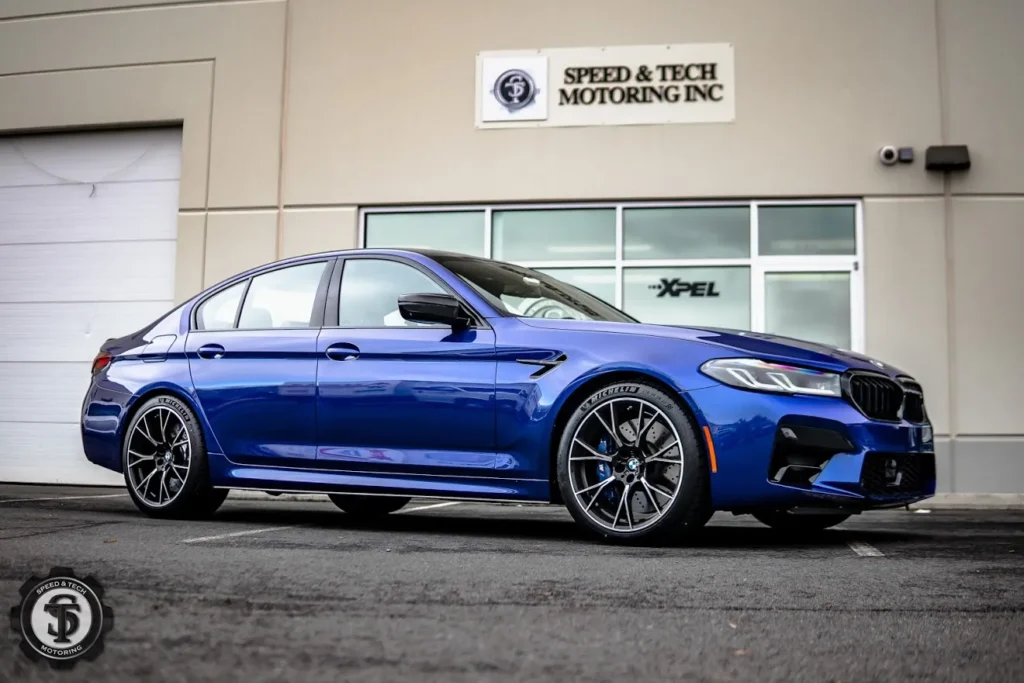
Not every shop takes the time to walk drivers through the actual ROI math. Speed & Tech Motoring starts every consultation with an honest conversation about your car, your driving habits, and how long you plan to keep the vehicle. When the film does not make financial sense for your situation, the team will tell you and suggest alternatives.
For drivers where the numbers do work, the team offers premium film options backed by manufacturer warranties. Every install is done in a clean, controlled environment with proper edge wrapping and precision cutting. Drivers looking for a trustworthy paint protection film shop in Sterling, VA get transparent pricing, real ROI analysis, and expert application with 15+ years of experience.
Honest Truths About PPF Nobody Tells You
Film coverage prevents damage but does not raise your car’s base value.
What it does is keep your car in the “Excellent” condition tier at trade-in time, which is worth thousands more than the “Good” or “Fair” tiers. So the film preserves the value your car already has instead of adding value on top.
Not all Paint Protection Film is the same, and the price gap is real.
Cheaper products yellow, crack, or peel within a few years. Premium films from established brands last 7 to 10 years or more. Never compare quotes on cost alone. Always ask for the specific film series being used before you commit.
Installation quality matters as much as film quality.
A cheap install ruins even premium urethane. Bubbles, dust contamination, and edges that lift within months are common signs of a rushed job. Always check the installer’s portfolio and confirm they work in a clean, controlled environment.
Clear Bra is not truly scratch-proof.
It absorbs impacts and self-heals minor scratches, but it does not stop everything. Deep gouges and heavy impacts can still cut through the film to the paint below.
The best value is usually a full front package on a car you plan to keep 5+ years.
Full body coverage only makes sense on very high-value vehicles or for owners who want total protection. For most Sterling drivers, a full front package hits the sweet spot for both ROI and coverage.
Final Words
Paint Protection Film delivers real, measurable value for most Sterling drivers with vehicles worth protecting. The math works out when you factor in prevented rock chip repairs, avoided repaint costs, higher resale value, and the peace of mind of driving without paint anxiety. Luxury owners, EV drivers, and highway commuters get the strongest ROI. Cheaper cars, short leases, and cars with existing damage may benefit less. The key is honest analysis based on your specific vehicle and your specific ownership plans, not generic advice. A good shop will walk you through the numbers and only recommend this kind of coverage when it actually makes financial sense for your situation.
Frequently Asked Questions
Does PPF actually increase the resale value of my car?
Yes, indirectly. The film preserves the original paint, which keeps the car in the “Excellent” condition tier at trade-in time. This tier is worth $2,000 to $5,000 more than the “Good” tier on most luxury vehicles. So it does not raise the base value, but it protects the value the car already has.
How long does professional Paint Protection Film actually last?
Premium film installed by trained pros typically lasts 7 to 10 years, with some products rated for 15 years or more under ideal conditions. This means the coverage usually protects the car for the full ownership period on new vehicles. Cheaper films may only last 3 to 5 years before yellowing or peeling.
Can the film be safely removed later when I want to sell the car?
Yes. Professional installers can remove Clear Bra cleanly without damaging the original paint underneath. In fact, the paint under the film usually looks better than the rest of the car because it stayed protected the whole time. Removal is straightforward and preserves the factory finish.
Is PPF better than ceramic coating for value protection?
They serve different purposes and often work best together. The film stops physical damage like rock chips and scratches. Ceramic coating adds shine, blocks UV rays, and makes the car easier to clean. For maximum protection and value, many owners get both, with film on high-impact areas and ceramic coating over the entire car.
Is this kind of protection worth it for a family SUV or daily driver, not just luxury cars?
Absolutely. Any car worth protecting benefits from a film install. Family SUVs and daily drivers actually face more paint damage than garaged luxury cars because they take more highway miles and daily wear. The ROI is real for any vehicle you plan to keep 5+ years and care about maintaining.