
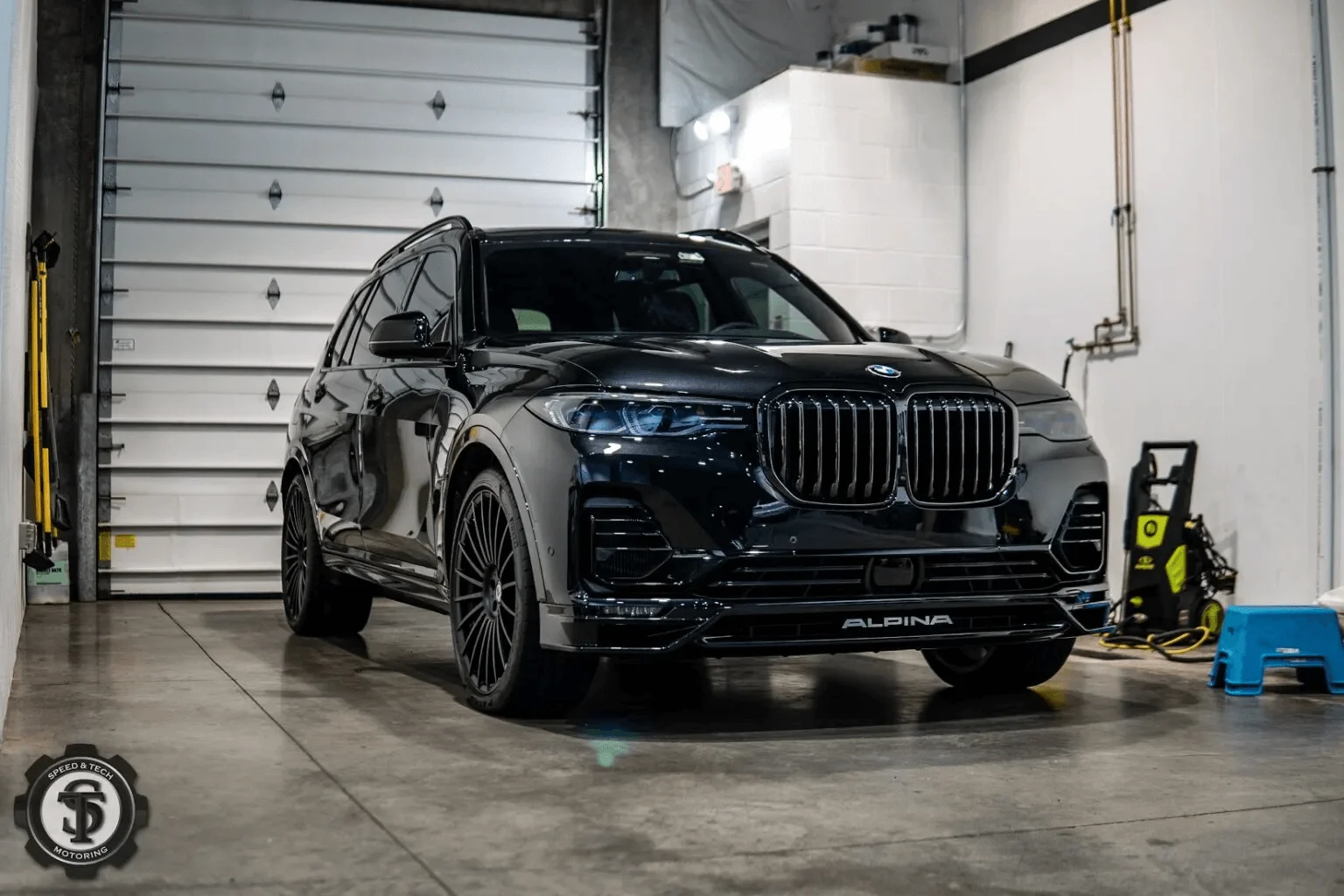
Ceramic window tint lasts 10 years or longer when installed correctly and maintained properly. That lifespan outperforms every other film type on the market, and it holds up particularly well in the Northern Virginia climate. Speed & Tech Motoring handles window tinting in Sterling, VA using XPEL Prime XR and XR Plus nano-ceramic films that carry a lifetime manufacturer warranty.
How Long Does Ceramic Window Tint Last on Average
Premium ceramic window tint lasts a minimum of 10 years under normal driving conditions. Many installations last 15 years or longer before showing any measurable degradation. XPEL, the nano-ceramic film brand used at the Sterling shop, backs its ceramic lines with a lifetime warranty that covers fading, bubbling, cracking, and peeling.
That lifespan number assumes professional installation on clean glass with proper edge sealing. Shops providing window tinting in Herndon and across the Dulles corridor install ceramic film daily and see decade-old jobs still performing at original spec during return visits.
The 10-year minimum applies to full nano-ceramic products. Entry-level ceramic films with lower particle density may fall closer to seven or eight years. Always confirm the specific product line and warranty terms before booking.
What Makes Ceramic Tint Last Longer Than Other Film Types
Ceramic film lasts longer because its core material does not break down under UV exposure the way dye-based films do. The nano-ceramic particles embedded in the film are inorganic. They do not fade, oxidize, or shift color over time. Speed & Tech Motoring installs XPEL ceramic films built with this particle technology across every service area.
No Dye Means No Fading
Dyed films use organic colorants that degrade when exposed to sustained UV radiation. The result is the purple, washed-out appearance common on older vehicles across the Loudoun County area. Ceramic film skips dye entirely and gets its performance from the ceramic particle layer.
No Metal Means No Corrosion
Metallic films achieve heat rejection through thin metal layers that can corrode over time, especially in humid climates. Metal layers also interfere with GPS, cell signals, and toll transponders. Ceramic film rejects heat through non-metallic particles, eliminating both the corrosion risk and the signal interference.
Drivers exploring window tinting in Ashburn and surrounding Loudoun County communities choose ceramic over metallic film for exactly these reasons.
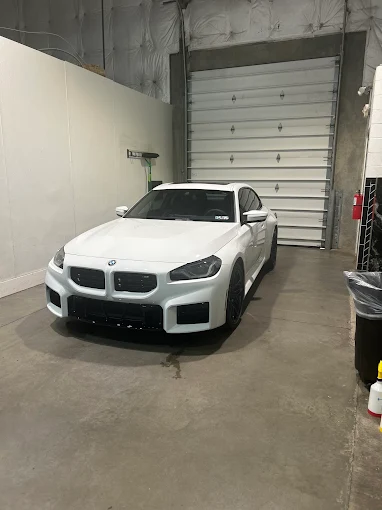
How Does Northern Virginia Weather Affect Ceramic Tint Lifespan
Sterling sits in a four-season climate zone with hot, humid summers and cold winters. Both extremes test window tint durability, and ceramic film handles them better than any other type.
Summer Heat and UV Exposure
Northern Virginia logs UV index readings above 8 from May through September. That sustained UV load degrades dyed and hybrid films within a few years. Ceramic particles are UV-stable, meaning they do not break down regardless of exposure duration. A ceramic install in Sterling faces the same UV load as one in Phoenix and handles it the same way.
Winter Cold and Temperature Cycling
Sterling winter temperatures drop below freezing regularly from December through February. The daily cycle of cold overnight temperatures and heated cabin air creates expansion and contraction stress on the film. Low-quality adhesives crack or lift under this cycling. XPEL ceramic films use pressure-sensitive adhesives engineered for temperature range performance from sub-zero to extreme heat.
Road Salt and Moisture
Virginia road salt spray reaches window edges and seals during winter driving on Route 7, Route 28, and the Dulles Greenway. Salt does not penetrate properly sealed ceramic film, but it can work into lifting edges on poorly installed jobs. Edge quality at installation determines how well the film resists salt intrusion over the years.
Which Factors Shorten Ceramic Tint Lifespan in Sterling
Even premium ceramic film can fail early if certain conditions are present. Three factors cause most premature failures in the Sterling area.
Poor Installation Quality
Contamination trapped under the film during installation creates permanent defects that grow over time. Dust particles lift the film from the glass, and moisture pockets that do not evaporate during the cure period leave haze or bubbles. A dust-free installation bay and computer-cut film patterns eliminate most of these risks.
Aftermarket Window Defrosters
Rear window defrosters use embedded heating elements that apply direct heat to the glass surface. Aggressive use of the defroster on a cold morning can stress the adhesive bond between the film and glass. Certified installers test adhesion on defroster-equipped rear windows before releasing the vehicle.
Improper Cleaning Products
Ammonia-based glass cleaners break down window tint adhesive over time. The damage is gradual, often invisible for the first year or two, and then appears as edge lifting or haze. Ceramic tint should only be cleaned with ammonia-free products and soft microfiber cloths.
How Long Does Each Film Type Last Compared to Ceramic
Ceramic is the longest-lasting film type available, but the margin depends on the comparison. Here is how each tier performs in Northern Virginia conditions.
| Film Type | Expected Lifespan | Fade Resistance | Heat Rejection at Year 5 | Warranty |
| Dyed | 3 to 5 years | Poor | Reduced by 30 to 50% | 1 to 3 years |
| Carbon | 7 to 10 years | Good | Stable | 5 to 10 years |
| Ceramic (standard) | 10 to 15 years | Excellent | Stable | Lifetime (most lines) |
| Nano-ceramic (XPEL Prime XR Plus) | 15+ years | Excellent | Stable | Lifetime |
The critical difference is not just how long the film stays on the glass. It is how long the film keeps performing. Dyed film may physically remain on the window for seven years, but its heat rejection drops sharply after year three. Ceramic film maintains its original performance specs throughout its entire lifespan.
Does the Installer Affect How Long Ceramic Tint Lasts
Installation quality is the second biggest factor in ceramic tint longevity, right behind the film product itself. Two identical XPEL installs can last five years apart if one is done in a dust-free bay with proper technique and the other is done in an open garage.
Three installation variables matter most for long-term durability. Surface preparation determines how well the adhesive bonds. A single dust particle or oil smear creates a failure point. Edge sealing determines how well the film resists moisture, salt, and physical damage at the borders. Cure conditions determine how completely the adhesive sets during the first week.
A certified XPEL installer handles every ceramic tint job in a controlled environment using computer-cut patterns matched to the exact vehicle. That precision eliminates trimming errors and reduces the chance of edge contamination.
How Should Sterling Drivers Maintain Ceramic Tint for Maximum Life
Ceramic tint requires minimal maintenance compared to other film types. The material itself is durable, but the adhesive bond and film edges still benefit from basic care.
Clean interior glass surfaces with ammonia-free cleaner and a soft microfiber cloth. Avoid abrasive pads, razor blades, or stiff squeegees on tinted surfaces. The Skin Cancer Foundation covers how UV window film and skin protection benefit drivers year-round, and keeping the film clean maintains both UV performance and optical clarity.
Park in shade when possible during the first week after installation. The cure period allows trapped moisture to evaporate. Heat helps the process, but direct sustained sun on uncured film can cause uneven drying. After the cure period, parking location does not affect film lifespan.
Inspect the film edges once a year, especially along the bottom of each window where road debris and moisture concentrate. Catching a small lift early prevents a full edge failure that spreads across the window.
Conclusion
Ceramic window tint installed by a professional shop in Sterling lasts 10 to 15 years or longer. XPEL nano-ceramic films carry a lifetime warranty and maintain original heat rejection, UV protection, and appearance throughout their lifespan. Dyed film lasts three to five years, and carbon lasts seven to ten years in the same climate.
A quality install from Speed & Tech Motoring pairs XPEL Prime XR and XR Plus ceramic films with dust-free bay installation and computer-cut precision. Drivers researching film options before booking can read why ceramic tint is the top choice in Sterling for a full performance comparison.
Frequently Asked Questions
1. Does ceramic window tint really last 10 years or more in Northern Virginia?
Yes. Premium ceramic films like XPEL Prime XR and XR Plus last 10 to 15 years or longer in Northern Virginia conditions. The nano-ceramic particles are UV-stable and do not degrade from heat or cold cycling. A professional install with proper edge sealing is the key to reaching that lifespan.
2. How can a Sterling driver tell when ceramic tint needs to be replaced?
Signs of aging ceramic tint include visible edge lifting, persistent haze that cleaning cannot resolve, and reduced heat rejection noticeable during summer months. These symptoms appear after a decade or more on quality film. Purple discoloration signals dyed film failure, not ceramic.
3. Does the XPEL lifetime warranty cover ceramic tint installed in Sterling, VA?
Yes. XPEL lifetime warranties cover fading, bubbling, cracking, peeling, and delamination when the film is installed by a certified dealer. Speed and Tech Motoring is an authorized XPEL installer, so every ceramic tint job carries full manufacturer warranty coverage for the life of the film.
4. Will road salt from Virginia winters damage ceramic window tint over time?
Road salt does not penetrate properly sealed ceramic film. Salt causes damage only when it works into lifting edges from a poor installation. Quality edge sealing and annual inspections keep salt from creating problems. Rinsing lower window edges after winter driving helps as well.
5. Does ammonia-based glass cleaner actually damage ceramic window tint?
Yes. Ammonia breaks down the adhesive bond between the film and glass over time. The damage is gradual and may not appear for a year or two before eventually showing as edge lifting or haze. Use only ammonia-free glass cleaner and soft microfiber cloths on tinted interior surfaces.
6. Is ceramic tint more durable than carbon tint in the Sterling, VA climate?
Ceramic tint outlasts carbon by three to five years in Northern Virginia conditions. Carbon film typically lasts seven to ten years, while ceramic lasts 10 to 15 years or longer. Ceramic also maintains stable heat rejection throughout its lifespan, while carbon can lose performance.