
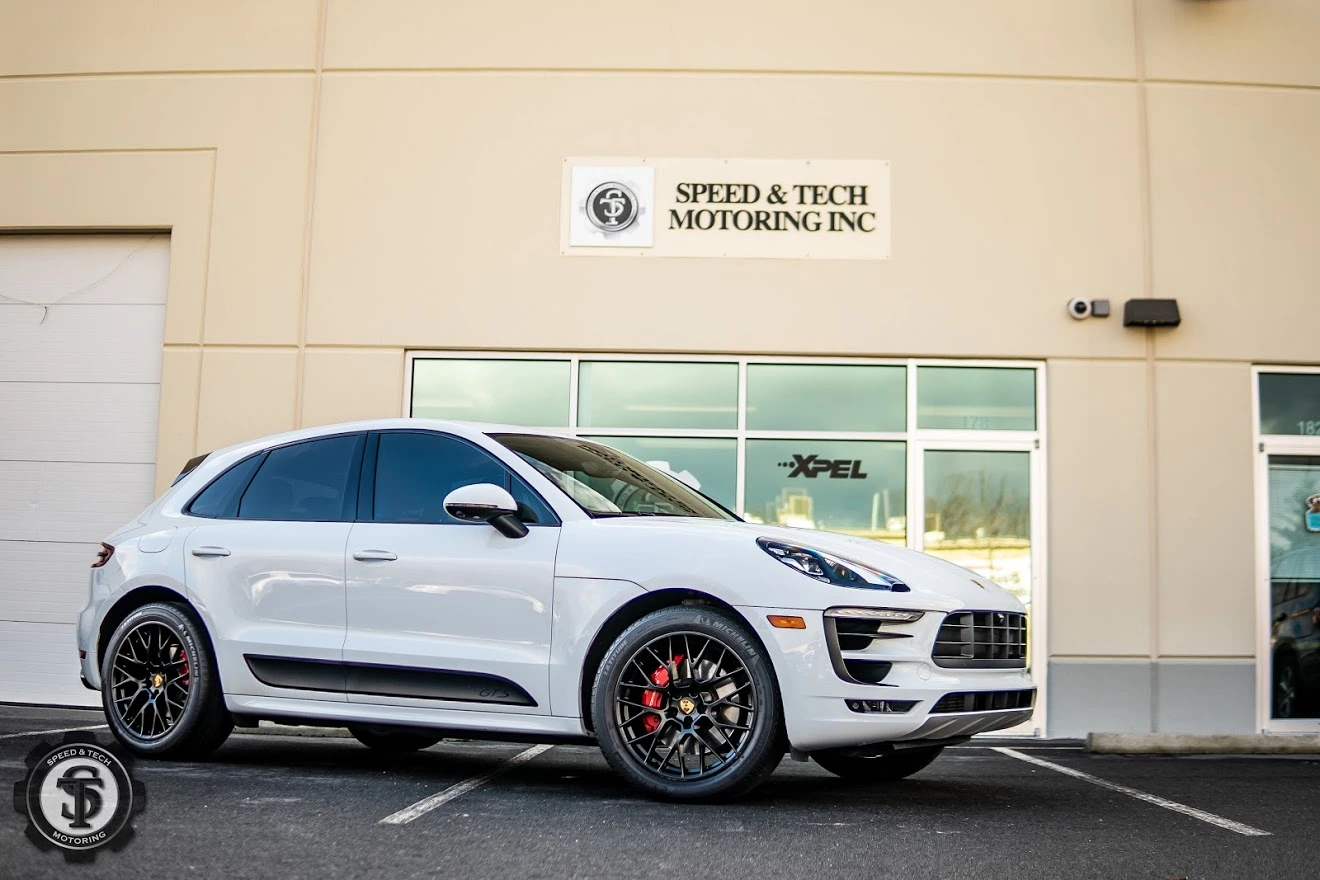

Choosing the right window tinting film can feel overwhelming when you’re faced with multiple options and technical specifications. The market for Window Tinting in Kincora, Virginia 20166 offers several distinct film types, each engineered with specific materials and technologies to address different priorities. Speed & Tech Motoring has worked with all major film categories and understands that the best choice depends on your specific needs, budget, and performance expectations.
Film technology has advanced significantly over the years. What started with basic dyed films has evolved into sophisticated multi-layer systems using advanced materials like ceramics and nano-particles. Speed & Tech Motoring keeps current with these developments to help vehicle owners make informed decisions about auto window tinting options. Understanding the characteristics of each film type empowers you to select the solution that delivers the protection and performance you’re looking for.
Dyed Window Tinting Films
Dyed films represent the most basic and affordable window tinting option available. These films use layers of dye sandwiched between an adhesive layer and a protective topcoat. The dye absorbs solar energy and reduces the amount of light passing through your windows, creating a darker appearance and some level of heat reduction.
The manufacturing process involves applying dye to polyester film in controlled thicknesses to achieve specific darkness levels. Multiple dye layers can be stacked to create deeper, richer colors. The result is a non-reflective finish that provides a flat, matte appearance from the outside.
How Dyed Films Work
Dyed films function primarily through light absorption. When sunlight strikes the dyed layer, the pigments absorb visible light wavelengths, preventing them from passing through. This absorption creates the tinting effect and generates some heat within the film itself. The absorbed heat dissipates partially through the glass and partially into your vehicle’s interior.
The dye molecules also provide limited UV blocking, though not to the extent of more advanced film types. The primary function focuses on reducing glare and creating privacy rather than comprehensive heat or UV rejection. This makes dyed films suitable for specific applications where those are the main priorities.
Best Applications for Dyed Tinting
Dyed films work well when your primary goals are appearance enhancement and basic privacy. They’re popular for side and rear windows where maximum heat rejection isn’t critical. The affordable price point makes them accessible for budget-conscious vehicle owners who want the tinted look without premium costs.
However, dyed films have limitations. They offer the lowest heat rejection performance among film types and can fade over time with sun exposure. The dye molecules break down gradually, causing the film to turn purple or brown. For these reasons, Window Tinting Shop Kincora, Virginia 20166 locations often recommend dyed films only for specific situations rather than as the primary choice.
Metalized Window Tinting Films
Metalized films incorporate tiny metallic particles embedded within the film layers. These microscopic metal particles reflect solar energy rather than just absorbing it, providing significantly better heat rejection than dyed films. The metallic content also strengthens the film, adding shatter resistance to your windows.
The construction typically includes multiple layers with the metallic particles suspended in specific positions to optimize reflective properties. This creates a slightly reflective or mirror-like appearance from the outside, which some people prefer for its aesthetic appeal and enhanced privacy.
The Structure of Metallic Films
Metallic films contain layers of aluminum, copper, or other metal particles deposited through specialized manufacturing processes. These particles are arranged to reflect infrared and ultraviolet radiation while allowing visible light to pass through. The metal content also makes these films more durable and scratch-resistant than dyed options.
The reflective properties come from how metal interacts with electromagnetic radiation. When solar energy strikes metallic particles, it bounces back rather than being absorbed or transmitted. This reflection happens across multiple wavelengths, providing broad-spectrum protection against heat and UV rays.
Advantages and Considerations
Metalized films offer excellent heat rejection and UV blocking while maintaining relatively affordable pricing. They resist fading much better than dyed films and maintain their appearance over many years. The added strength provides extra security benefits by making windows harder to shatter.
The main consideration with metallic films involves signal interference. The metal content can block or reduce cell phone signals, GPS, radio, and other electronic transmissions. For vehicles with advanced electronics or drivers who rely heavily on connectivity, this interference can be problematic. Speed & Tech Motoring discusses these factors with vehicle owners to ensure they understand the trade-offs.
Carbon Window Tinting Films
Carbon films use carbon particle technology instead of dyes or metals. These films provide excellent heat rejection without the signal interference problems of metallic films. The carbon particles are non-conductive, allowing electronic signals to pass through unimpeded while still blocking significant solar energy.
Carbon technology creates a matte black finish that appeals to many vehicle owners. The appearance remains stable over time without fading to purple or brown like dyed films can. This color stability combined with solid performance makes carbon films popular Window Tinting Services choices for those seeking middle-ground options.
Why Carbon Films Are Popular
Carbon films deliver a compelling balance of performance, appearance, and price. They block 40% or more of infrared heat while maintaining good visible light transmission. The UV rejection typically reaches 99%, protecting both occupants and interior materials from harmful radiation.
The non-metallic composition means you won’t experience signal interference with phones, GPS, or other devices. This makes carbon films ideal for modern vehicles packed with electronics and connectivity features. The technology provides contemporary performance without creating new problems.
Ceramic Window Tinting Films
Ceramic films represent the premium tier of Car Window Tinting technology. These films use nano-ceramic particles instead of dyes, metals, or carbon to achieve superior performance across all metrics. The ceramic technology blocks heat, UV rays, and glare more effectively than any other film type while maintaining exceptional clarity.
The manufacturing process involves embedding ceramic particles at the nano scale within the film matrix. These particles have specific optical properties that reject infrared radiation extremely efficiently. The result is maximum heat rejection even with relatively light tint shades that maintain excellent visibility.
Premium Protection Technology
Ceramic particles work through advanced physics that targets specific wavelengths. They reflect and absorb infrared radiation that carries heat while remaining highly transparent to visible light. This selective filtering allows you to have lighter tint that still provide excellent cooling performance.
The ceramic composition also provides complete signal transparency. Electronics work perfectly through ceramic films with no interference whatsoever. This makes ceramic the preferred choice for vehicles with multiple antennas, sensors, and connectivity systems that require unobstructed signal transmission.
Performance Benefits of Ceramic Tinting
Ceramic films can reject 50% to 80% of solar heat depending on the specific product. This exceptional performance keeps interiors significantly cooler than other film types. The UV blocking reaches 99% across all ultraviolet wavelengths, providing maximum protection for your skin and vehicle interior.
Color stability is another major advantage. Ceramic films never fade, discolor, or change appearance over time. The same look you get on installation day remains consistent for the life of the film. Speed & Tech Motoring emphasizes that while ceramic films cost more initially, their superior performance and longevity often make them the best long-term value.
Hybrid Window Tinting Films
Hybrid films combine different technologies to balance performance and cost. Most commonly, they blend dyed and metallic layers to achieve better heat rejection than pure dyed films while reducing the metallic content compared to fully metalized options. This compromise approach creates mid-tier products that serve specific needs.
The layered construction typically places dye in some layers and metal in others, with each contributing to overall performance. The reduced metal content minimizes signal interference while still providing reflective heat rejection. The dye layers enhance color depth and appearance.
Combining Technologies for Balanced Performance
Hybrid films aim to capture benefits from multiple technologies while mitigating individual weaknesses. By using less metal than full metallic films, they reduce interference issues. By adding metal to dyed films, they improve heat rejection beyond what dye alone can achieve. The result is a versatile option that works reasonably well across various requirements.
When you visit a Window Tinting Shop Near Me Kincora, Virginia 20166, hybrid films often appear as mid-price alternatives. They provide noticeably better performance than basic dyed films without reaching premium ceramic pricing. For many drivers, this middle ground offers an attractive compromise.
Crystalline and Clear Films
Crystalline films represent a specialized category designed for maximum heat rejection with minimal visible darkness. These nearly clear films use advanced multi-layer construction to block infrared radiation while allowing most visible light through. They’re ideal for windshields where darkness isn’t legally permitted but heat rejection is still desired.
The technology stacks hundreds of ultra-thin layers that interfere with infrared wavelengths through optical physics rather than absorption or reflection. This creates impressive heat blocking in films that look almost completely clear. The appearance satisfies legal requirements while still providing substantial comfort benefits.
Choosing the Right Film Type for Your Needs
Selecting the appropriate film type requires considering multiple factors. Your budget obviously plays a role, but so do your priorities regarding heat rejection, UV protection, appearance preferences, and electronic device usage. Climate conditions in your area also influence which features matter most.
Speed & Tech Motoring recommends evaluating your specific situation rather than simply choosing the cheapest or most expensive option. Drivers who spend hours daily in their vehicles might prioritize maximum heat rejection from ceramic films. Those primarily seeking privacy and aesthetics might find carbon or hybrid films perfectly adequate.
Consider how long you plan to keep your vehicle as well. Premium films last longer and maintain performance better, which adds value if you keep vehicles for many years. For shorter-term ownership, mid-tier options might make more sense. The key is matching film characteristics to your actual needs and usage patterns.
Conclusion
The variety of window tinting films available in Kincora ensures options for every need and budget. From basic dyed films to advanced ceramic technology, each type offers distinct characteristics suited to different priorities. Understanding these differences helps you make informed choices that deliver the specific benefits you value most. Whether you prioritize maximum performance, balanced features, or budget-friendly options, modern film technology provides solutions that enhance your driving experience through measurable improvements in comfort and protection.
Window tinting in Goose Creek Village, VA helps block solar heat and harmful UV rays to keep vehicle interiors cooler and protect occupants and surfaces from sun damage.
FAQs
Which film type lasts the longest without fading?
Ceramic and carbon films provide the best longevity without color changes. These films maintain their original appearance for 15 to 20 years or more, while dyed films may begin showing purple discoloration within five to seven years.
Can I mix different film types on different windows?
Yes, many vehicle owners use different films for different windows based on priorities. You might choose ceramic for front windows where clarity matters most, while using carbon or hybrid films on rear windows for cost savings.
Do more expensive films always perform better?
Generally yes, but “better” depends on your specific needs. Ceramic films objectively outperform others in heat rejection and clarity, but if signal interference isn’t an issue for you, metallic films might provide adequate performance at lower cost.
How much does film type affect installation difficulty?
Installation difficulty depends more on installer skill than film type. However, thicker or more rigid films can be slightly more challenging to work with. Professional installers work successfully with all film types regardless of complexity.
Will film type affect my insurance or vehicle warranty?
Film type generally doesn’t impact insurance or warranties. What matters is legal compliance with darkness regulations and professional installation that doesn’t damage glass or seals. Quality films properly installed should never create warranty concerns.