
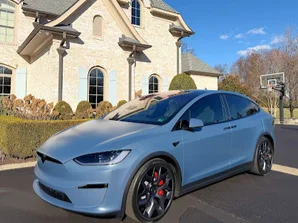
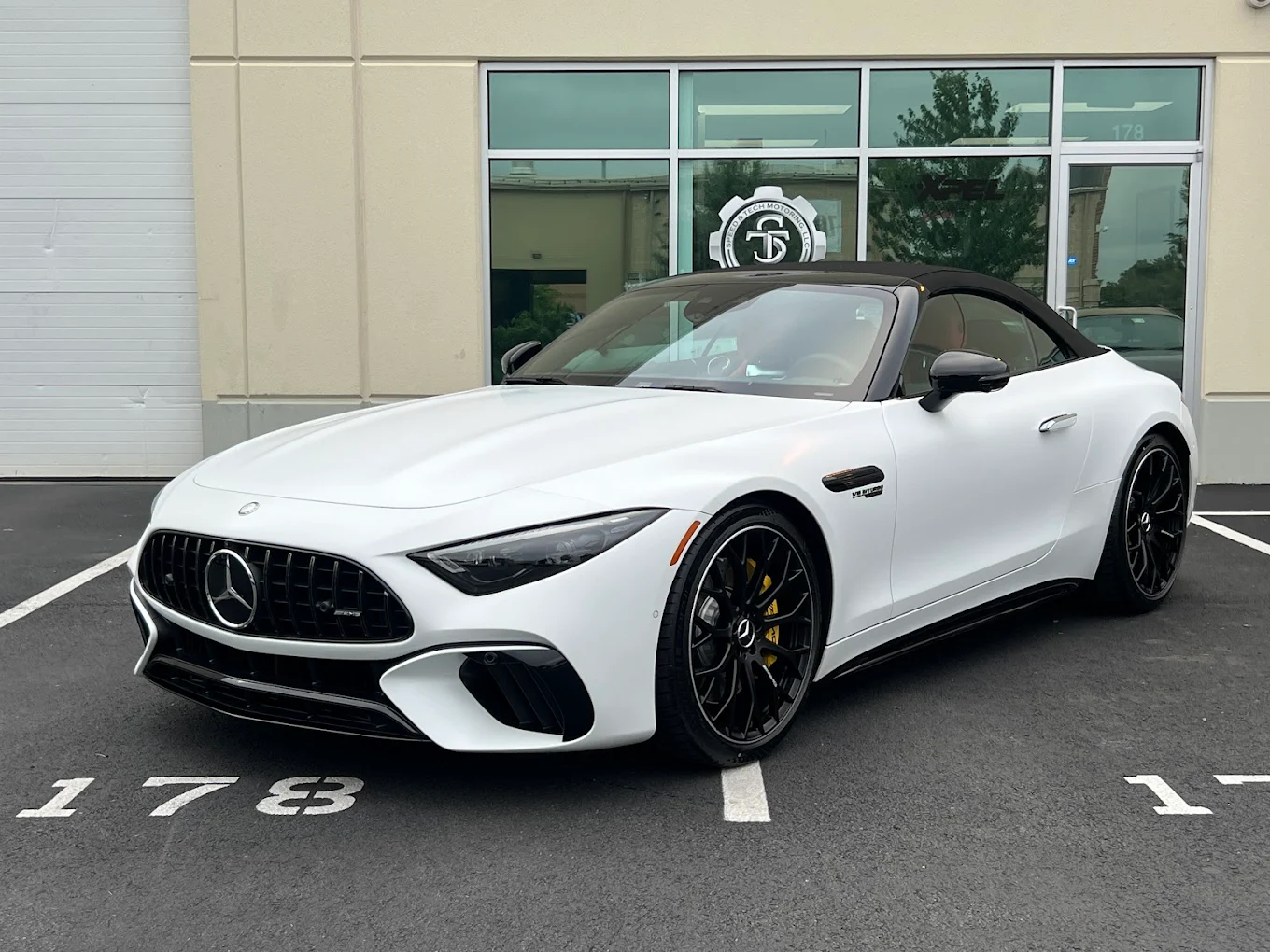
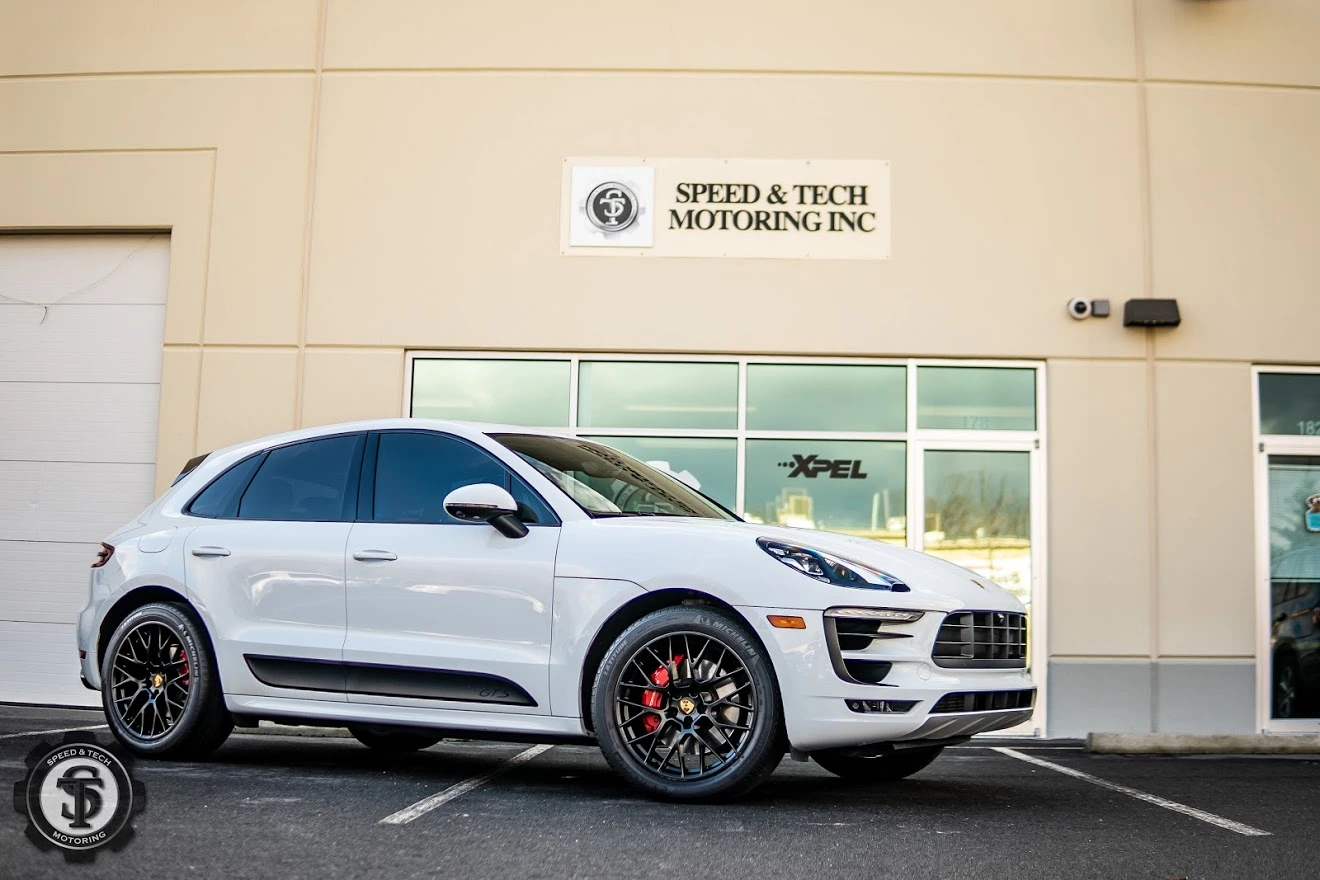

Electric vehicles are changing the way Leesburg residents commute, run errands, and explore everything from Linden Hill to Ball’s Bluff Battlefield Regional Park. But owning an EV comes with a set of considerations that traditional gas-powered car owners simply do not think about, and one of the most overlooked is cabin heat management. Infrared-rejecting window tint has emerged as one of the most practical upgrades an EV owner can make, and the reasons go well beyond comfort. Speed & Tech Motoring has worked with a growing number of EV owners in the Leesburg area who have come to understand just how much their vehicle’s performance is tied to what is happening inside the cabin.
Understanding Infrared Radiation and Why It Matters for Your EV
Before getting into the specifics of tint films, it helps to understand what you are actually blocking. Most people know that sunlight contains ultraviolet rays, the ones responsible for sunburn and skin damage. But UV is only a small fraction of the solar energy spectrum. The component that actually heats your car’s interior is infrared radiation, and it makes up roughly 53 percent of the total solar energy reaching your vehicle on a clear day.
What Infrared Radiation Actually Does Inside Your Vehicle
Infrared radiation is essentially heat energy traveling in wave form. When it passes through your vehicle’s glass, it heats up every surface it touches, your dashboard, your seats, your steering wheel, and the air throughout the cabin. On a sunny Virginia afternoon, an unprotected car interior can reach temperatures well above 130 degrees Fahrenheit. For a conventional vehicle, that is uncomfortable. For an electric vehicle, it creates a performance problem that directly impacts your range and battery health.
The Difference Between UV, Visible Light, and Infrared Rays
Standard window tint films are often marketed around their ability to block UV rays, and most quality films do block 99 percent of UV radiation regardless of their darkness level. But UV blocking alone does not meaningfully reduce heat inside your vehicle. Visible light accounts for about 44 percent of solar energy, and infrared makes up most of the rest. A film that only blocks UV is addressing a small slice of the problem. Infrared-rejecting films specifically target that 53 percent infrared portion of the solar spectrum, which is what actually drives the temperature up inside your EV.
How Electric Vehicles Are Uniquely Vulnerable to Heat Buildup
Every vehicle suffers from solar heat gain, but electric vehicles face consequences that go beyond passenger discomfort. Understanding why EVs are more sensitive to cabin temperatures than traditional vehicles makes the value of IR-rejecting window tinting in Leesburg, VA much clearer.
Why Cabin Heat Hits EV Batteries and Range Harder Than ICE Vehicles
In a gas-powered vehicle, the engine produces enormous amounts of waste heat that the climate control system can leverage. In an electric vehicle, every bit of energy for heating and cooling comes directly out of the battery pack. There is no waste heat to borrow from. This means that on a hot Virginia summer day, your EV’s air conditioning is drawing a continuous, meaningful load from the same battery that is supposed to get you to your destination. Reducing the amount of heat that enters the cabin in the first place is one of the most direct ways to preserve that range.
The Air Conditioning Load Problem in Electric Vehicles
When your car is parked in the sun without IR-rejecting window tint, the cabin heats up rapidly. When you return to the vehicle, the climate control system has to work hard to bring the temperature down to a comfortable level. This cool-down period draws significant power from the battery before you have even started moving. With IR-rejecting window tint film in place, the cabin stays meaningfully cooler while parked, which means the climate system starts from a much lower baseline and reaches your desired temperature far more quickly and efficiently.
How Every Degree of Cabin Temperature Affects Your Range
Studies from automotive engineers and independent EV researchers consistently show that climate control is one of the largest single consumers of battery energy in electric vehicles. In extreme heat, air conditioning can reduce the real-world range of a typical EV by anywhere from 15 to 40 percent, depending on the ambient temperature, the vehicle model, and how hard the system has to work. IR-rejecting window tint measurably reduces this by keeping the starting temperature of the cabin lower and reducing the sustained load on the system during driving.
How Infrared-Rejecting Window Tint Solves These EV-Specific Problems
Blocking the Heat Before It Enters the Cabin
IR-rejecting films work by reflecting or absorbing infrared radiation at the glass surface rather than allowing it to pass through and heat interior surfaces. Think of it like insulation in a house wall. The goal is not to deal with the heat after it gets inside but to stop it at the boundary. High-performance ceramic tint films can reject upward of 80 percent of infrared radiation. For an EV parked in the Virginia sun, this means a dramatically lower cabin temperature when you return to the vehicle, a lighter initial load on the air conditioning system, and more battery capacity preserved for actual driving.
Reducing the Demand on Your EV’s Climate Control System
With quality car window tinting shop in Leesburg, VA installed on all glass surfaces, the sustained IR load during driving drops significantly. Your climate control system runs less aggressively, draws less power per mile, and leaves more of your battery charge available for propulsion. Over a typical Leesburg commute, the cumulative effect is meaningful.
Types of Infrared-Rejecting Tint Films Available in Leesburg, VA
Ceramic Tint Films and Their IR Rejection Capabilities
Ceramic window tint is the gold standard for infrared rejection and is the most recommended option for electric vehicle owners by experienced window tinting installers in Leesburg, VA. Ceramic films use nano-scale ceramic particles to block infrared radiation without relying on metallic components. The best ceramic films can reject between 75 and 90 percent of infrared radiation while maintaining high levels of visible light transmission. Speed & Tech Motoring recommends ceramic films for EV owners specifically because of how consistently they perform across Virginia’s variable seasons.
Carbon Tint as a Mid-Tier IR Option for EV Owners
Carbon window tint films offer a solid middle ground for EV owners who want meaningful infrared rejection without the premium price point of ceramic films. Carbon films use carbon particles in their construction, providing good heat rejection and resistance to the purple hue fade that affects dyed films over time. Infrared rejection performance of carbon films typically falls in the 40 to 60 percent range, still a meaningful improvement over standard dyed films.
Why Metallic Films Are Not Recommended for Electric Vehicles
Metallic window tint films create a significant problem for modern vehicles and particularly for electric vehicles. The metallic particles in the film interfere with radio frequency signals, meaning your GPS navigation, cellular connectivity, key fob range, and built-in wireless charging can all be affected. For an EV owner who relies on navigation for range planning and on cellular connectivity for remote climate pre-conditioning, metallic tint creates genuine functional problems. Vehicle window tinting in Leesburg, VA for electric vehicles should always use ceramic or carbon films for this reason.
Virginia Tinting Laws Every Leesburg EV Owner Needs to Know
Front Side Window and Windshield VLT Requirements in Virginia
Virginia law requires that front side windows must allow more than 50 percent of light to pass through. This is stricter than many neighboring states. For EV owners hoping to maximize IR rejection on the front windows, this means choosing a high-performance ceramic film that delivers strong infrared rejection at a light 50 percent VLT rather than relying on darker film. Quality ceramic films achieve excellent IR rejection even at lighter VLT levels, so the legal requirement does not significantly undercut the thermal performance.
Rear Window Rules and Medical Exemptions in Virginia
Virginia gives considerably more flexibility for rear side windows and the rear windshield, which can be tinted to any darkness level. Darker rear tint paired with high-performance ceramic film on all windows creates a well-rounded heat management solution for the entire vehicle. Virginia also recognizes medical exemptions for individuals with documented light sensitivity conditions. A knowledgeable window tinting shop in Leesburg, VA will be able to walk you through the medical exemption process if this applies to your situation.
What to Look for in a Professional Window Tinting Installer for Your EV
EV-Specific Installation Considerations
Electric vehicles often have larger glass panels than conventional vehicles, including panoramic roof glass and oversized rear windshields common on models like the Tesla Model 3, Model Y, and various Rivian configurations. These large glass surfaces require precise film cutting, careful heat application to conform the film to curved glass, and attention to any integrated defroster grid lines or antenna elements embedded in the glass. Speed & Tech Motoring has experience handling the specific glass configurations found on popular EV models, which makes a real difference in the finished result.
Film Warranties and Quality Assurance
Quality IR-rejecting films come with manufacturer warranties covering fading, bubbling, peeling, and performance degradation over time. When evaluating installers, ask specifically what film brands they work with, what the warranty terms are, and whether the warranty is honored through the installer or directly through the manufacturer. Ceramic films from reputable brands typically carry lifetime warranties against defects.
How Long Does IR-Rejecting Tint Last in Virginia’s Climate?
Virginia’s climate presents a moderately demanding environment for window tint films. Summers bring intense UV exposure and high temperatures, while winters bring temperature fluctuations that can stress adhesive bonds over time. Quality ceramic IR-rejecting films installed by a skilled professional should last anywhere from 10 years to the lifetime of the vehicle. Carbon films typically offer a slightly shorter lifespan in the seven to ten year range. Maintenance is straightforward: clean tinted windows with an ammonia-free cleaner and a soft microfiber cloth, and avoid rolling down windows for at least three to four days after installation to allow the adhesive to fully cure.
Conclusion
Electric vehicle ownership in Leesburg, VA brings a specific set of priorities that conventional car owners simply do not share, and managing cabin heat sits near the top of that list. Infrared-rejecting window tint addresses this challenge directly by blocking the primary source of solar heat gain at the glass surface before it can affect your cabin temperature, your climate control load, or your battery range. Ceramic films represent the most effective option for EV owners, offering high IR rejection without signal interference and with a durability profile that makes them a long-term investment. Speed & Tech Motoring brings the product knowledge and installation expertise to make the right film choice for your specific EV and your specific driving patterns in the Leesburg area.
Auto protection in Arcola, VA helps shield your vehicle’s paint from rock chips, scratches, UV rays, and harsh Northern Virginia weather.
Frequently Asked Questions
Will infrared-rejecting window tint actually increase my EV’s range in real-world driving?
Yes, measurably so. By reducing cabin heat buildup and lowering the sustained load on your air conditioning system, IR-rejecting tint helps preserve battery charge that would otherwise go toward climate control rather than propulsion.
Does the VLT percentage of a ceramic film affect how much infrared it rejects?
Not necessarily. Infrared rejection in ceramic films is largely independent of VLT. A 50 percent VLT ceramic film can reject nearly as much infrared radiation as a 20 percent VLT ceramic film from the same product line.
Can I have IR-rejecting tint applied to my EV’s panoramic glass roof in Virginia?
Yes. Virginia’s tinting laws do not regulate roof glass the same way they regulate side windows, giving you more flexibility with VLT on that surface.
How soon after getting window tint installed can I use my EV’s heated rear defroster?
Most professional installers recommend waiting at least five to seven days before using the rear defroster after a new tint installation to avoid interfering with the adhesive curing process.
Does IR-rejecting window tint help in winter as well as summer in the Leesburg area?
Yes. In winter, IR-rejecting tint adds a modest insulating effect that helps retain cabin heat, reducing the heating load on your EV’s battery and contributing to more consistent range performance through Virginia’s colder months.