
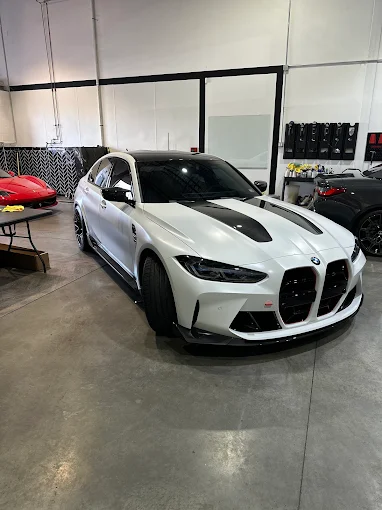
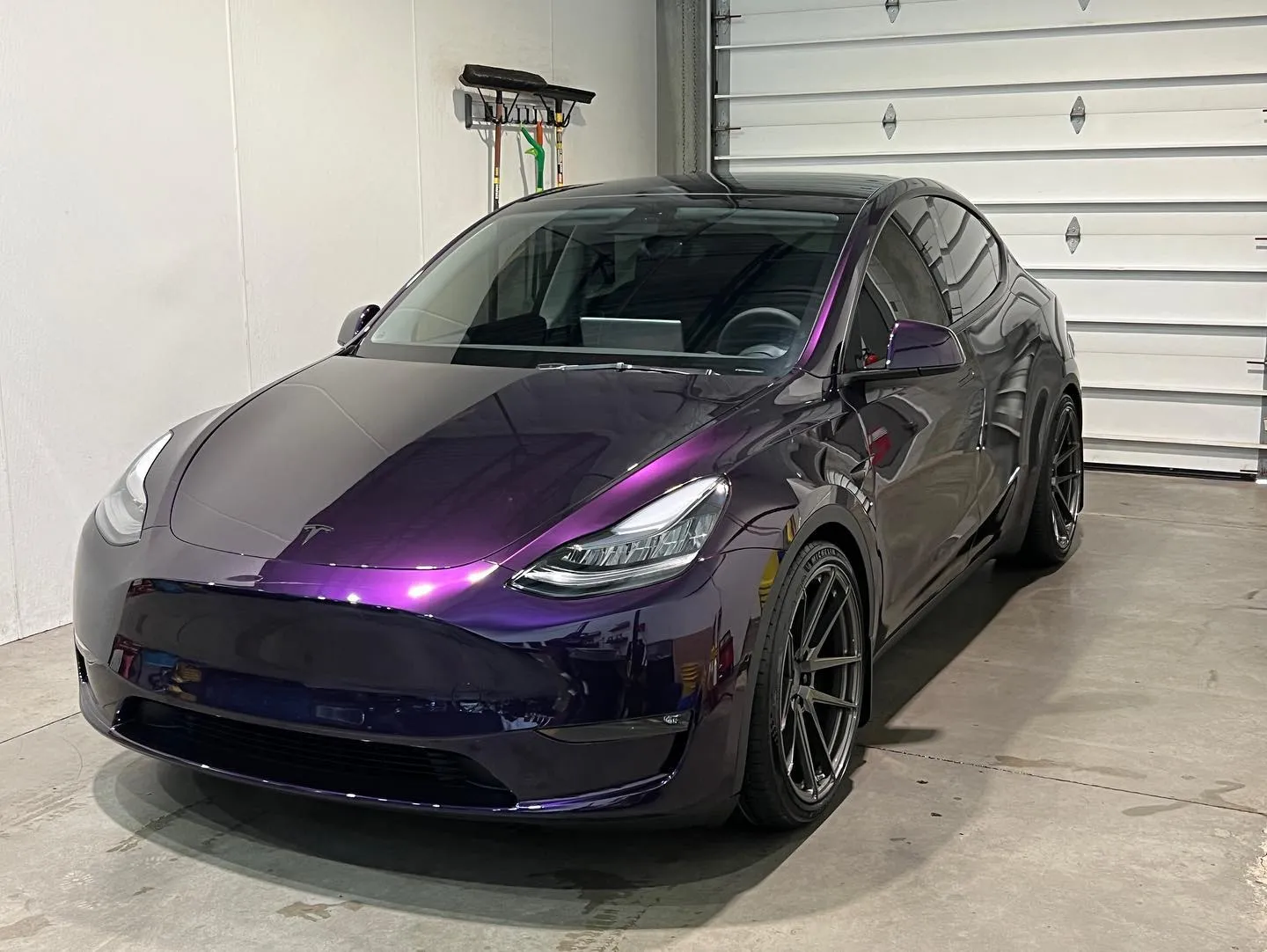

Ceramic coating for matte paint is safe when the product matches the surface. It also requires careful application. An unsuitable formula can darken the finish or create uneven shiny patches. Matte paint requires different preparation because polishing can permanently change its texture. Speed & Tech Motoring explains how coating compatibility, matte PPF, vinyl wraps, preparation, and maintenance affect the final result.
Understanding Matte Finishes
Before we delve into ceramic coating, let’s first talk about matte finishes and what makes them special.
What Is a Matte Finish?
A matte finish is a paint style with a flat, non-reflective appearance. Unlike glossy finishes that reflect light and shimmer, matte paints absorb light, creating a soft, smooth texture.
The Appeal of Matte Paint
Matte finishes are popular because they stand out from the crowd. They exude sophistication and offer a modern, understated look that glossy finishes can’t replicate.
Why Matte Paint Is Tricky to Maintain
The very characteristics that make matte paint appealing also make it delicate. Scratches, smudges, and uneven cleaning can disrupt its uniform texture, making maintenance a challenge.
What Is Ceramic Coating?
Ceramic coating is a liquid polymer that bonds to your car’s paint, creating a durable protective layer. It repels water, dirt, and UV rays while enhancing the paint’s longevity. But is it suitable for matte finishes? Let’s find out.
Can Ceramic Coating Be Used on Matte Finishes?
Yes, ceramic coating can be safely used on matte finishes—but with a catch. Not all ceramic coatings are designed for matte surfaces. The wrong product could compromise the texture and appearance of your matte paint.
Can You Ceramic Coat Matte Paint Without Adding Shine?
Yes, you can ceramic coat matte paint without turning it glossy. The coating must be approved for matte or satin surfaces. It should protect the finish without noticeably changing its texture or light reflection.
Matte paint looks matte by scattering light across a textured clear coat. Gloss paint reflects light from a smoother surface. Abrasive correction or an incompatible product can change that light pattern and create visible sheen.
A coating isn’t safe just because its label contains the word matte. Manufacturer compatibility and application behavior matter. Use a small, hidden test area to confirm color and sheen before full application.
How Ceramic Coating Works on Matte Paint
Ceramic coating for matte finishes works differently compared to coatings for glossy paint. Here’s how:
Protection Without Shine
Matte-specific ceramic coatings are formulated to protect without adding a glossy layer, preserving the flat, non-reflective appearance.
Maintaining Texture
These coatings maintain the unique texture of matte finishes, ensuring the surface stays smooth and even.
Preventing Contaminant Build-Up
Ceramic coatings prevent dirt, dust, and water spots from settling on the paint, reducing the need for frequent cleaning.
Benefits of Ceramic Coating for Matte Finishes
Let’s talk about why ceramic coating is a game-changer for matte car owners:
Enhanced Protection
Ceramic coating shields matte paint from environmental damage like UV rays, bird droppings, and acid rain.
Easy Maintenance
With its hydrophobic properties, ceramic coating makes washing your car a breeze. Water, dirt, and grime slide right off.
Stain Resistance
Matte finishes are notorious for showing stains. Ceramic coating prevents stains from penetrating the surface, keeping your paint pristine.
Long-Term Durability
Ceramic coatings last for years, providing a reliable barrier against everyday wear and tear.
Choosing the Right Ceramic Coating for Matte Finishes
Not all ceramic coatings are created equal. Here’s what to look for when protecting your matte finish:
Matte-Specific Formulas
Look for coatings explicitly designed for matte finishes. These products protect without altering the texture or sheen.
Professional-Grade Products
While DIY kits exist, professional-grade coatings often offer superior durability and protection.
Longevity and Warranty
Choose a product with a proven track record and a solid warranty to ensure long-term results.
Ceramic Coating on Matte Paint vs Matte PPF and Vinyl Wraps
Ceramic coating can work on factory matte paint, matte PPF, and matte vinyl. However, these surfaces do not share the same chemistry. Each needs a coating approved for its top layer.
| Surface | Suitable coating | Preparation priority | Main risk |
| Factory matte or satin paint | Paint-compatible matte coating | Nonabrasive cleaning and spot testing | Uneven sheen or dark patches |
| Matte PPF | PPF-compatible coating | Inspect edges, lifting, stains, and film condition | Poor bonding or visible high spots |
| Matte vinyl wrap | Wrap-compatible coating | Gentle cleaning without strong solvents | Streaking, discoloration, or adhesive damage |
| Gloss paint | Standard paint coating | Paint correction when appropriate | Not comparable with matte preparation |
Applying ceramic coating over matte PPF can improve water behavior and stain resistance. It does not add impact protection beyond the film. Correct damaged, lifting, or contaminated PPF before coating.
Matte vinyl is thinner and more sensitive than most PPF. Strong solvents, aggressive clay treatment, and heavy leveling can damage it. Product approval should specify vinyl or wraps.

What Happens When the Wrong Ceramic Coating Is Used on Matte Paint?
An incompatible product may deepen the color, increase reflectivity, or leave uneven high spots. Thick application can also create streaks because matte surfaces reveal sheen differences.
Correcting these problems is harder than fixing high spots on gloss paint. You can’t polish matte paint aggressively without changing its appearance. Removal may require specialist work, and severe damage can require panel refinishing.
The safest approach combines manufacturer approval, a test section, controlled lighting, and careful leveling. Product marketing alone does not confirm compatibility with every matte, satin, PPF, or vinyl surface.
How Professionals Prepare Matte Paint for Ceramic Coating
Proper preparation removes contamination without polishing the matte texture. Start with a pH-neutral wash and gentle drying. Tar, iron particles, or bonded dirt need surface-safe chemical removal.
Traditional machine polishing should not be used on matte paint. Abrasion can smooth the textured clear coat and leave permanent shiny areas. Aggressive clay treatment creates a similar risk and should not be treated as routine preparation.
After cleaning, the technician inspects stains, repairs, scratches, and finish consistency. A compatible panel wipe removes oils before testing. The approved coating then receives thin, even application and the manufacturer’s required curing time.
DIY vs. Professional Application
While DIY ceramic coating kits are available, professional application is often the better choice, especially for matte finishes. Professionals have the tools and expertise to ensure flawless results without damaging the paint.
How Should Ceramic-Coated Matte Paint Be Maintained?
Wash coated matte paint with a pH-neutral shampoo and clean microfiber towels. Avoid waxes, polishing agents, and gloss-enhancing soaps. These products can create uneven reflectivity or leave difficult residue.
Hand washing or a safe touchless method reduces abrasion. Remove bird droppings, bugs, fuel, and tree sap quickly. Ceramic coating slows contamination, but it does not make matte paint stain-proof or scratch-proof.
Follow the coating manufacturer’s cure and wash restrictions after installation. Periodic inspections can identify reduced water behavior, contamination, or damaged film edges before larger problems develop.
Cost of Ceramic Coating for Matte Finishes
The cost of ceramic coating varies depending on the product and application method. Here’s a general breakdown:
- DIY Kits: $50–$150
- Professional Services: $500–$2,000
Professional services may cost more, but they provide better protection and longer-lasting results.
Longevity of Ceramic Coating on Matte Finishes
Ceramic coating typically lasts 2–5 years with proper maintenance. Matte-specific coatings are designed to endure without losing effectiveness over time.
Alternatives to Ceramic Coating for Matte Paint
If ceramic coating isn’t an option, consider these alternatives:
Paint Protection Film (PPF)
PPF offers similar protection but with a thicker, self-healing layer.
Matte Sealants
Matte-specific sealants are less durable than ceramic coatings but provide temporary protection.
The Verdict: Is Ceramic Coating Worth It for Matte Finishes?
Ceramic coating is absolutely worth it if you want to protect your matte finish while preserving its unique appearance. With the right product and application, it can keep your car looking flawless for years.
Key Takeaways
- Ceramic coating is safe for matte finishes when you use a matte-specific product.
- It enhances protection without altering the paint’s flat appearance.
- Professional application is recommended for best results.
- Maintenance is essential to maximize the coating’s longevity.
Conclusion
Owning a car with a matte finish is like owning a piece of art—it demands attention and care. Ceramic coating provides a protective shield that keeps your car looking pristine without compromising its distinctive look. While it’s not a one-size-fits-all solution, choosing a matte-safe product and following proper application techniques ensures your matte finish stays as breathtaking as the day you got it.
FAQs
Can you ceramic coat matte paint without making it shiny?
Yes, matte paint can receive ceramic coating without becoming glossy when the product is approved for matte or satin surfaces. The installer should test a hidden area first and apply thin, even layers. An incompatible coating can create darker patches, streaks, or an uneven sheen.
Is regular ceramic coating safe to use on matte paint?
Not every regular ceramic coating is safe for matte paint. Gloss-enhancing formulas may deepen color or change light reflection, especially when applied unevenly. Check the manufacturer’s instructions for surface compatibility, and test the coating before treating the entire vehicle.
Can ceramic coating be applied over matte PPF or a vinyl wrap?
Yes, you can apply a compatible ceramic coating over matte PPF or a matte vinyl wrap. The film must be clean, secure, and free from lifting edges. Product approval matters because paint, polyurethane film, and vinyl have different top layers, bonding behavior, and care requirements.
Can you polish or clay matte paint before applying ceramic coating?
Don’t polish matte paint like glossy paint, because abrasion can create permanent shiny areas. Aggressive clay treatment can also change the texture. Preparation normally uses a matte-safe wash, careful chemical decontamination, clean towels, and an approved panel wipe first.
How long does ceramic coating normally last on matte paint?
A professional ceramic coating can protect matte paint for roughly two to five years. Product selection, preparation, storage, mileage, and washing affect durability. Outdoor exposure and harsh cleaners shorten performance. Periodic inspections help determine when maintenance is needed.
Is ceramic coating worth applying to a matte-finish car?
Ceramic coating can be worthwhile for matte paint because it reduces staining, water spotting, UV exposure, and grime adhesion. It does not prevent rock chips or deep scratches. The value depends on using a compatible product and maintaining it with pH-neutral, matte-safe wash products.