
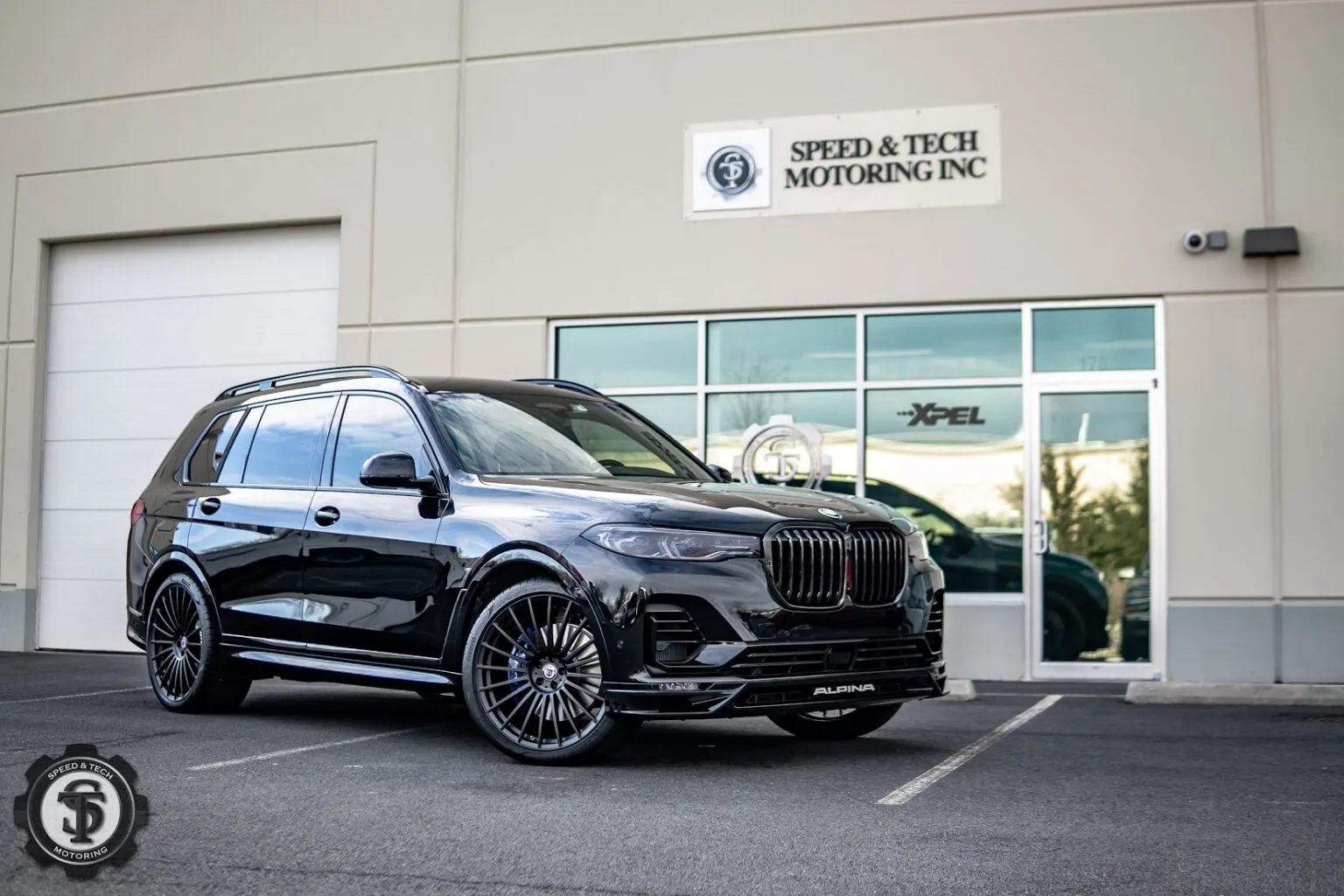
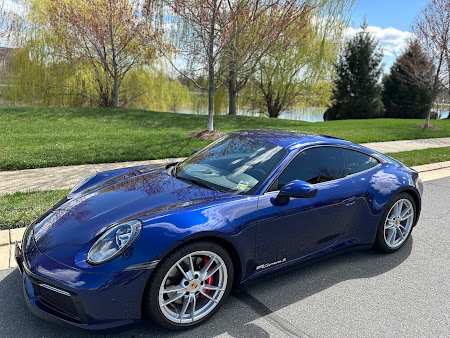
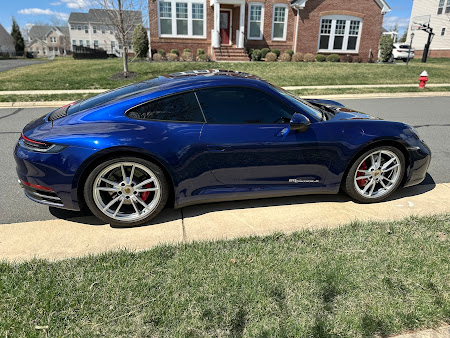
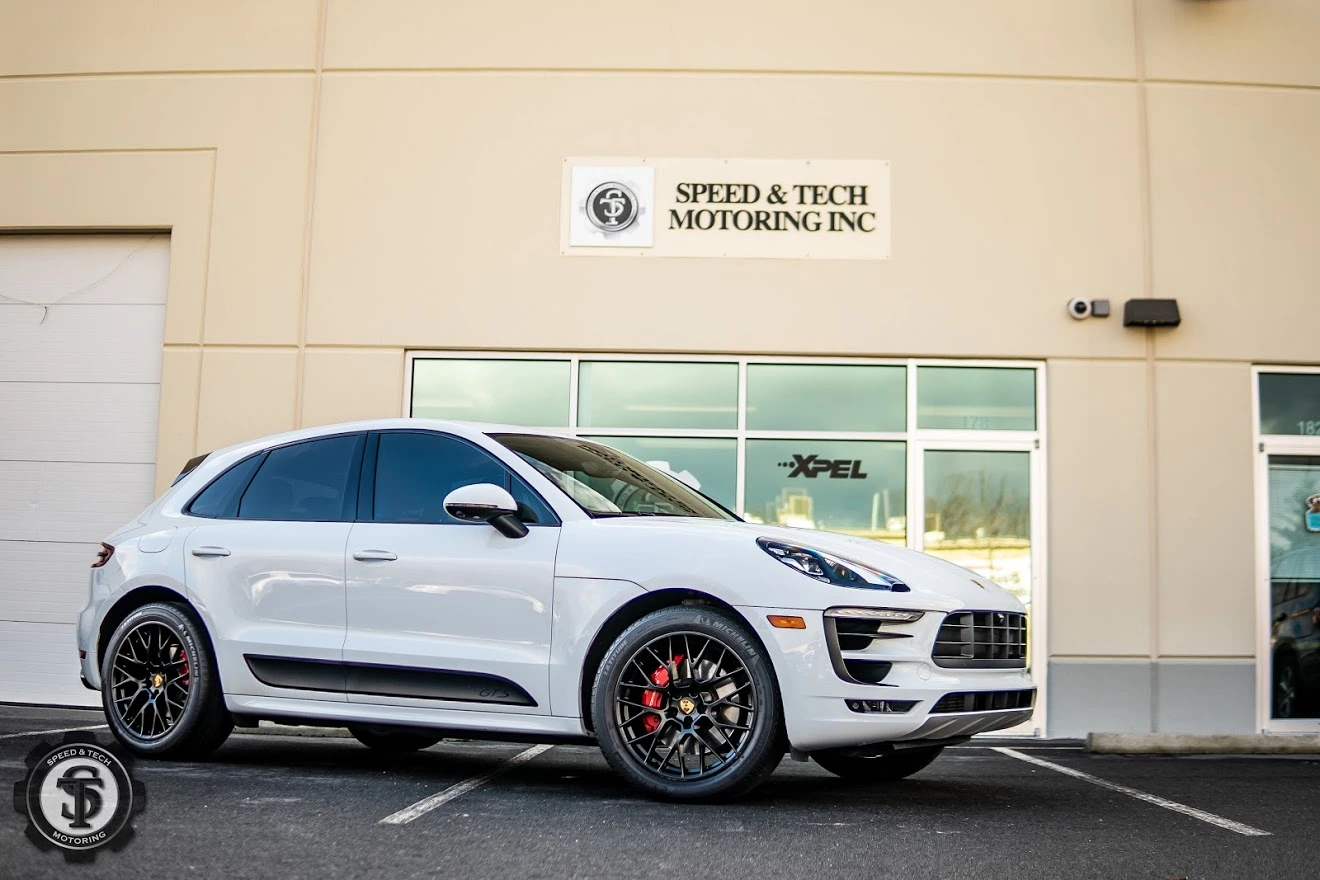

Arcola, VA sits in one of the most geographically and climatically diverse corridors in the entire state. From the summer heat baking the parking lots near Arcola Center Community Park and StoneSprings Hospital Center to the icy road salt season that coats every vehicle between December and March, this part of Northern Virginia puts vehicle paint through a genuinely punishing annual cycle. Most car owners do not realize the cumulative damage happening to their clear coat, base coat, and primer layers until the evidence becomes impossible to ignore. Speed & Tech Motoring has worked with Arcola vehicle owners who have experienced exactly this progression and understands what it takes to interrupt it before it starts.
Why Northern Virginia’s Climate Is Particularly Hard on Vehicle Paint
Northern Virginia does not have a gentle climate. It sits in a transitional zone that experiences genuine extremes across all four seasons, and each season brings its own category of paint threat.
Summer Heat, UV Radiation, and What They Do to Unprotected Clear Coat
Virginia summers are long, humid, and intense. Surface temperatures on a dark-colored vehicle parked in direct sunlight in Arcola can exceed 180 degrees Fahrenheit on hood and roof panels. At those temperatures, unprotected clear coat begins to oxidize at an accelerated rate. Oxidation is the process by which UV radiation and heat break down the molecular bonds in the clear coat layer, causing it to become dull, chalky, and increasingly porous. Once the clear coat becomes porous, contaminants penetrate more easily, and the damage begins reaching the base coat and paint layer underneath.
UV radiation compounds the problem independently of heat. Even on overcast days, a significant portion of UV energy passes through cloud cover and reaches your vehicle’s surfaces. Over months and years, this sustained UV exposure causes color fading, brittleness in rubber trim and seals, and cracking in plastic exterior components.
Winter Road Salt, Ice Melt Chemicals, and Paint Corrosion
Winter in Northern Virginia brings road salt and chemical ice melt agents applied to highways and local roads throughout the season. These chemicals are extremely effective at preventing ice formation, and they are equally effective at accelerating corrosion on any metal surface they contact. Salt lowers the freezing point of water, keeping liquid water present on road surfaces at temperatures where it would otherwise freeze. That liquid water, now carrying dissolved salt and chemical deicers, gets thrown up by tires onto every exposed surface of your vehicle.
For vehicles without adequate car protection in Arcola, VA, this repeated chemical exposure begins attacking any microscopic chip, scratch, or imperfection in the paint surface. Once corrosion gets beneath the paint layer, it expands laterally, causing bubbling and flaking that spreads well beyond the original chip. This is why vehicles driven in salt-belt states like Virginia age so much faster cosmetically than the same models driven in drier climates.
Spring Pollen, Tree Sap, and Bird Droppings as Seasonal Paint Threats
Northern Virginia has an extremely active pollen season driven by the region’s abundant tree coverage. Oak, birch, and pine trees all release pollen that settles on vehicle surfaces and, when wet, becomes mildly acidic. Left on a vehicle’s surface for more than a day or two, pollen can etch into an unprotected clear coat. Tree sap contains resin compounds that bond aggressively to paint surfaces and harden quickly in sunlight. Bird droppings are similarly corrosive due to uric acid content, and in direct summer sunlight, etching can occur within a few hours. These are everyday realities that a proper auto protection layer handles without permanent consequence.
What Auto Protection Actually Means for Your Vehicle’s Exterior
The Layered Defense: How Modern Auto Protection Works
Think of your vehicle’s exterior protection like the layers of a good rain jacket. Each layer has a specific job, and removing any one of them reduces the overall system’s performance. The combination of paint protection film, ceramic coating, and quality window tinting creates a comprehensive shield that addresses mechanical, chemical, and UV threats simultaneously.
Understanding the Vehicle Paint Layer System
Your vehicle’s paint is a system that typically consists of four distinct layers applied over the bare metal substrate. The primer layer provides adhesion and corrosion resistance. The base coat carries the color. The clear coat sits on top, providing gloss and UV protection. Each layer is relatively thin, measured in microns, and irreplaceable once it degrades beyond a certain point. Professional auto protection in Arcola, VA works by defending the clear coat specifically, because the clear coat is both the most exposed layer and the one that protects everything beneath it.
Paint Protection Film: The Physical Barrier Against Arcola’s Road Hazards
How PPF Absorbs Impact and Road Debris Damage
The highways and local roads around Arcola generate a constant stream of road debris. When a stone strikes unprotected paint at 65 miles per hour, the kinetic energy transfers directly into the paint system, often chipping through the clear coat and base coat all the way to the primer or bare metal. Paint protection film intercepts this energy at the film surface rather than the paint surface. For vehicles driven regularly on Northern Virginia’s highways, this mechanical protection is particularly valuable on the front bumper, hood, front fenders, and mirror faces.
Self-Healing Technology and How It Works in Virginia’s Heat
Premium PPF products incorporate a self-healing top coat layer that uses elastomeric properties to recover from light scratches and swirl marks. When the film surface is scratched, heat causes the elastomeric polymer to flow back into its original shape, effectively erasing the scratch. In Virginia’s summer conditions, minor scratches in premium PPF can heal on their own simply from parking the vehicle in sunlight for a short period.
Partial Coverage vs Full Body PPF for Arcola Drivers
Paint protection film can be applied in partial coverage configurations targeting the highest-impact areas, or as a full-body wrap covering every painted surface. Partial coverage, typically including the front bumper, hood, fenders, mirrors, and rocker panels, is a practical choice for daily drivers in the Arcola area. Full-body PPF provides comprehensive protection across every panel and is preferred for higher-value vehicles or owners who want maximum paint preservation.
Ceramic Coating: The Chemical Shield Against Northern Virginia’s Environmental Threats
How Ceramic Coating Bonds to Your Vehicle’s Clear Coat
Ceramic coatings use silicon dioxide or titanium dioxide as their primary active ingredient. When applied to a properly prepared paint surface, these compounds undergo a chemical reaction with the clear coat that creates a covalent bond. This is not a wax or sealant that washes away gradually. It is a chemical integration that makes the coating effectively part of the clear coat surface, providing a hardness rating that significantly exceeds that of the underlying clear coat.
What Ceramic Coating Protects Against in Arcola’s Specific Climate
For vehicles in Arcola, ceramic coating addresses road salt chemical attack in winter, UV oxidation during Virginia’s long summers, pollen and tree sap etching in spring, and sustained water spotting from the region’s humidity and hard water content. The hydrophobic surface created by ceramic coating causes water to bead and sheet off the vehicle rather than sitting in contact with the paint surface, dramatically reducing mineral deposits left behind when water evaporates. Speed & Tech Motoring selects coating products and application protocols specifically suited to Northern Virginia’s humidity levels and temperature ranges to ensure optimal bonding and long-term performance.
Window Tinting as Part of a Complete Auto Protection Strategy
UV Protection Through the Glass for Interior Surfaces
Your vehicle’s glass transmits a significant portion of UV radiation into the cabin, causing fading and cracking in dashboard plastics, discoloration of fabric and leather upholstery, and degradation of interior trim adhesives. Quality window tint film blocks 99 percent of UV radiation across all glass surfaces it is applied to, effectively halting the UV-driven aging process inside the cabin regardless of how much sun exposure the vehicle receives.
Heat Reduction and Its Impact on Dashboard and Upholstery Longevity
Infrared radiation passing through untinted glass generates substantial heat inside the cabin that accelerates material aging independently of UV. Dashboard plastics repeatedly cycled through extreme heat and cooling contracts and expanded, eventually cracking and warping. Leather seats that reach extreme temperatures dry out and develop cracking along stress points. Infrared-rejecting ceramic tint reduces solar heat gain inside the cabin significantly, extending the serviceable life of interior surfaces substantially.
How Surface Preparation Determines the Success of Any Auto Protection Treatment
Paint Correction Before Coating or Film Application
Paint correction removes surface imperfections from the clear coat before applying any protection treatment. This includes swirl marks, light scratches, water spot etching, and oxidation in the upper clear coat layers. Both ceramic coating and PPF are optically transparent and will lock in any defects present at the time of application. Correction done properly beforehand means the protection treatment enhances and preserves a genuinely clean surface.
Decontamination and Why It Cannot Be Skipped
Even a vehicle that appears clean carries invisible surface contamination. Iron particles from brake dust embed themselves in clear coat and create microscopic corrosion points. Industrial fallout, tar, and sap residue contaminate surfaces in ways regular washing does not address. Every professional auto protection shop in Arcola, VA that delivers quality results includes thorough chemical decontamination and clay bar treatment as a non-negotiable part of the preparation process.
How Long Auto Protection Treatments Last in Northern Virginia’s Conditions
PPF Lifespan Expectations in Virginia’s Climate
Premium paint protection film products carry warranties of 10 years against yellowing, bubbling, cracking, and delamination. In Virginia’s climate, properly installed premium PPF consistently reaches and exceeds this lifespan on vehicles that receive basic maintenance washing. Lower-grade PPF products may show yellowing within three to five years due to inferior UV stabilizers in the film matrix.
Ceramic Coating Durability Through Virginia’s Seasonal Extremes
Professional-grade ceramic coatings typically carry warranties in the three to seven year range for consumer-grade products, with professional-grade coatings extending to ten years or more under proper maintenance. The most common factor that shortens ceramic coating lifespan is improper washing that introduces fine abrasion, gradually eroding the coating’s hydrophobic properties. Speed & Tech Motoring provides maintenance guidance specific to the Arcola area’s seasonal conditions to help vehicle owners protect their coating investment through every season.
Maintaining Your Auto Protection Investment in Arcola, VA
Washing Techniques That Preserve Coatings and Film
Automatic car washes with abrasive brushes are incompatible with ceramic coatings and PPF. The two-bucket hand wash method, using separate buckets for soapy water and rinse water with grit guards in each bucket, is the standard approach that preserves coatings effectively. pH-neutral car wash soap formulated for coated vehicles should be used rather than dish soap or general automotive cleaners, which can degrade coating hydrophobicity over time.
Seasonal Maintenance Tips for Northern Virginia Vehicle Owners
At the end of winter, a thorough decontamination wash removes accumulated road salt residue and prevents corrosion that continues developing from salt residue even after the road treatment season ends. In spring, prompt removal of pollen accumulation prevents mild acidity from etching through the coating. In summer, parking in shaded areas when possible reduces UV load on film and coating surfaces. In fall, prompt removal of fallen leaves prevents tannins in decomposing leaves from staining coating surfaces. Applied consistently, these practices extend the effective life of any auto protection treatment substantially.
Conclusion
Northern Virginia’s climate is genuinely demanding on vehicle paint, and Arcola sits squarely in the middle of all four seasonal challenges that make this region one of the tougher environments in the mid-Atlantic for unprotected vehicle exteriors. The combination of summer UV intensity, winter road salt, spring pollen and sap, and year-round road debris creates a cumulative threat that standard factory paint systems are not designed to withstand indefinitely without support. Professional car protection in Arcola, VA, built around paint protection film, ceramic coating, and quality window tinting, addresses each of these threat categories with treatments specifically designed to intercept damage before it reaches the paint system. Speed & Tech Motoring brings technical knowledge and hands-on experience with Northern Virginia’s specific conditions to help Arcola vehicle owners make informed decisions about protecting one of their most significant investments.
Window tinting films Kincora VA include dyed, metalized, hybrid, carbon, ceramic, crystalline, security, and decorative options, each offering different levels of heat rejection, UV protection, and durability.
Frequently Asked Questions
Can paint protection film be applied to a vehicle that already has existing paint damage?
PPF can be applied over paint that has existing minor imperfections, but the film will not hide or repair damage beneath it. Any chips, scratches, or etching present at the time of application will remain visible under the optically clear film. Paint correction should be performed to address existing defects before PPF installation for best results.
Does ceramic coating make a vehicle completely scratch-proof?
No. Ceramic coating increases scratch resistance of the clear coat surface meaningfully but does not make the vehicle immune to scratching. It resists fine swirl marks from washing and light contact more effectively than bare clear coat. For protection against rock chips and physical impact, paint protection film is the appropriate product since it provides a physical cushion that ceramic coating does not.
How soon after purchasing a new vehicle should auto protection be applied in Arcola, VA?
The sooner the better. New vehicles have an unblemished clear coat with no existing damage to work around, which means less preparation work and a cleaner surface for ceramic coating to bond to. Applying PPF and ceramic coating before the vehicle accumulates its first road chips and surface contamination preserves the factory finish in its original condition from day one.
Can ceramic coating and paint protection film be used together on the same vehicle?
Yes, and combining both treatments is the most comprehensive protection approach available. PPF is typically applied first to address physical impact threats, and ceramic coating is then applied over the PPF surface as well as any areas not covered by film. This combination gives the vehicle both physical impact protection from the film and chemical, UV, and hydrophobic protection from the ceramic coating in a single integrated system.
How does Northern Virginia’s humidity affect ceramic coating application and curing?
Very high humidity can interfere with the chemical bonding process and reduce coating hardness. Professional installers monitor temperature and humidity conditions and apply coatings within the manufacturer’s specified environmental parameters. This is one important reason why professional installation in a controlled environment consistently outperforms DIY application in variable outdoor conditions.