
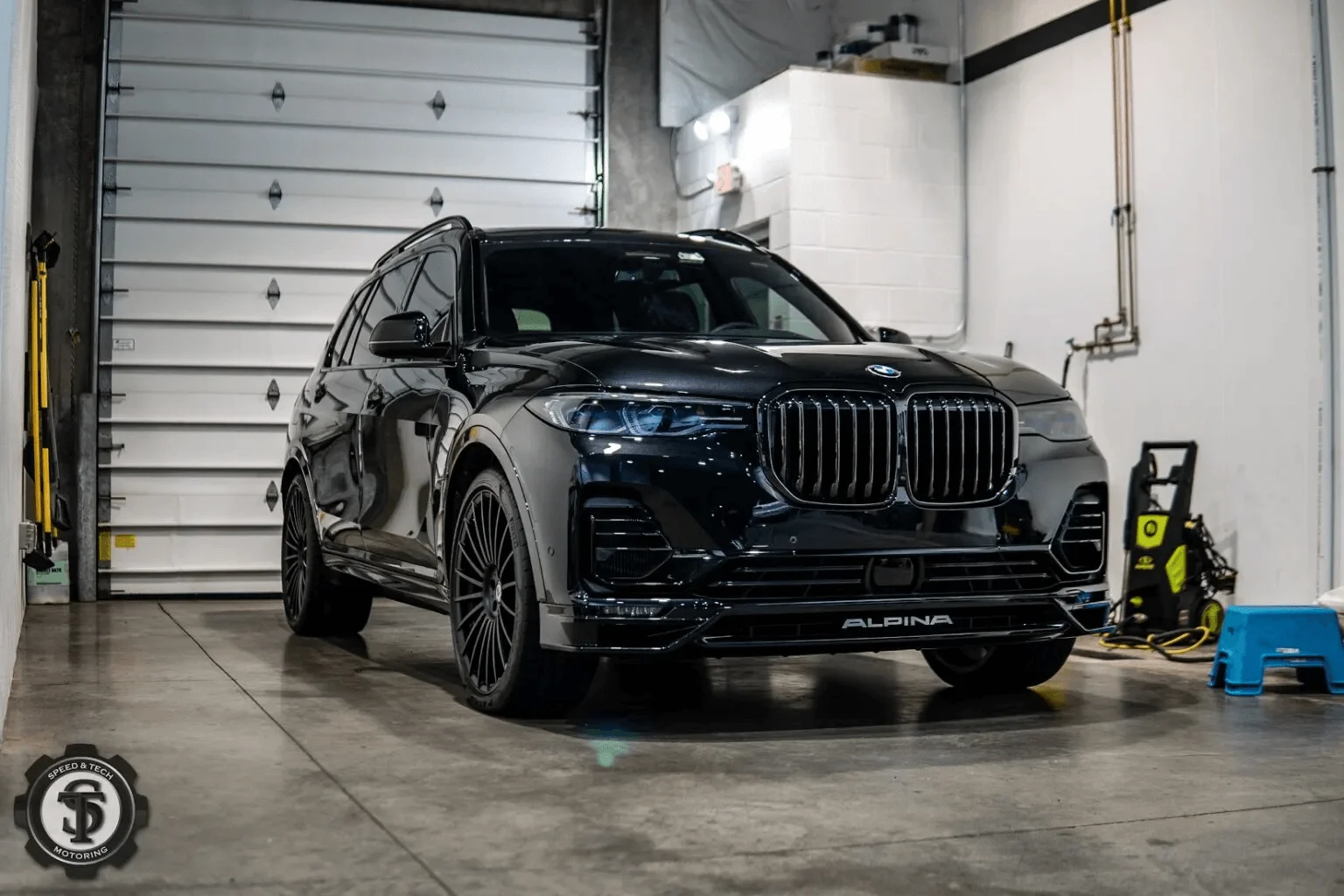
Ceramic coating has become a buzzword in the auto care industry, but in places like the DMV, covering Washington, DC, Maryland, and Northern Virginia , it’s more than just a trend. The region’s unique combination of seasonal extremes, road salt, pollution, and humidity puts vehicle exteriors through a daily endurance test.
If you’re a DMV-area driver, you’ve probably noticed how quickly your car’s shine fades or how stubborn grime builds up no matter how often you wash it. This is where ceramic coating comes into play. It forms a durable, hydrophobic layer that resists environmental damage, reduces cleaning time, and preserves your paint’s appearance.
In this article, we’ll explore how the DMV’s environment affects vehicle surfaces and why ceramic coating is becoming a go-to solution for both everyday drivers and auto enthusiasts alike.
Understanding the DMV Region’s Climate
The DMV region isn’t known for being extreme in any one weather category, but that’s exactly what makes it so harsh on cars. It packs a little bit of everything throughout the year, which gradually chips away at unprotected vehicle paint.
Hot Summers and Intense Sun
Summers in the DMV routinely hit 90°F or more. The UV radiation that comes with that heat doesn’t just warm up your cabin, it oxidizes paint, fades clear coats, and breaks down traditional waxes.
Freezing Winters and Road Salt
During winter, Maryland and Northern Virginia roads are coated with salt and brine mixtures to prevent ice. This salt can easily stick to your paint and start corroding exposed surfaces, especially on the lower panels and around wheel wells.
Humidity and Rain
The DMV region sees frequent humidity spikes and seasonal rain. This moisture encourages water spots, mildew buildup on trim, and long-term deterioration of sealants.
Urban Pollution and Tree Debris
In areas closer to DC, vehicle paint is also exposed to traffic pollution, bird droppings, pollen, and tree sap, especially for street-parked vehicles. These contaminants are acidic and can etch into your paint if left untreated.
Understanding the DMV Region’s Environmental Landscape
The DMV region, encompassing Washington D.C., Maryland, and Virginia, features a climate that swings between humid summers and cold, wet winters. These fluctuations are more than just discomforts for drivers, they can silently wear down your vehicle’s exterior over time.
Key Environmental Stressors in the DMV Area:
- UV Radiation: Summers bring intense sunshine that accelerates oxidation and clear coat breakdown.
- Humidity: High moisture levels promote water spots and mineral deposits that bond to vehicle paint.
- Pollen and Tree Sap: Dense greenery in suburban and rural zones increases the risk of sticky contaminants.
- Salt and Sand: In winter, roads are heavily treated to prevent icing. These particles stick to paint and trigger corrosion.
- Acid Rain and Industrial Fallout: Urban areas like D.C. and Baltimore experience pollution-driven precipitation that can eat away at unprotected surfaces.
Together, these conditions create an environment that can dull, stain, or damage vehicle exteriors unless proactive measures are taken.
How Ceramic Coating Acts as a Barrier in These Conditions
Ceramic coating is not just a shine enhancer. It’s a chemical polymer solution that bonds with your vehicle’s paint to form a hydrophobic, semi-permanent shield. In climates like the DMV’s, this barrier becomes a valuable layer of defense.
Benefits Specific to the DMV Region:
- Hydrophobic Properties: Water, mud, and slush slide off easily, helping protect from moisture-related damage.
- UV Resistance: Ceramic coatings block damaging ultraviolet rays, preserving your car’s factory paint and gloss even in summer.
- Chemical Protection: Acts as a repellent against road salt, bird droppings, acid rain, and tree sap, common in urban and wooded areas alike.
- Ease of Cleaning: Less grime sticks to the surface, making car washes faster and less frequent.
Drivers in the DMV region face four-season threats, and ceramic coating ensures your car is ready for all of them, from pollen-heavy spring days to icy winter roads.
Why Ceramic Coating Is Especially Useful for Daily Drivers in the DMV
The DMV region, comprising the District of Columbia, Maryland, and Virginia, is known for its heavy traffic patterns and dense commuter culture. Whether you’re navigating the Capital Beltway during rush hour or cruising along Route 7 in Virginia, stop-and-go traffic is a daily reality. For vehicles exposed to these conditions day in and day out, ceramic coating is not just a luxury, it’s a practical layer of protection.
Daily Exposure Builds Up Faster Than You Think
Commuters in the DMV typically spend more time in their vehicles than drivers in smaller metros. That means more exposure to environmental elements like UV rays, bird droppings, tree sap, road salt, and even acidic rain. While a car sitting in a garage may get by with a basic wax job, a commuter’s vehicle needs a defense that lasts and actively repels these contaminants.
Ceramic coating offers this durability. It forms a strong bond with your vehicle’s paint surface, creating a hydrophobic shield. This prevents road grime and pollution from sticking, reducing the wear that accumulates with each mile. More importantly, since many DMV drivers park outdoors at office lots or street-side, the coating reduces long-term damage from sun exposure and pollution buildup.
City vs. Suburban Driving: Unique Challenges for Both
Urban driving means tight parking, exposure to dings and scratches, and pollutants from higher traffic volumes. Ceramic coating can minimize the appearance of minor scratches and helps keep the vehicle looking clean longer, even when parked under trees or near construction sites.
On the other hand, suburban and rural drivers in Maryland and Virginia face longer commutes at higher speeds. These routes often involve highway debris, bugs, and greater exposure to rain and road contaminants. A ceramic-coated vehicle benefits from increased resistance to water spots, bug splatter etching, and UV-induced fading, all crucial for maintaining paint quality during extended travel.
Regardless of whether you’re in downtown D.C. or further out in Gaithersburg or Fairfax, ceramic coating brings real-world advantages for the average DMV driver.
Comparing Ceramic Coating to Traditional Protection Methods
You’ve been relying on old-school wax or sealants to protect your car’s paint, it’s worth understanding how ceramic coating measures up. While traditional products offer some level of protection, their performance in a high-traffic, four-season environment like the DMV often falls short.
Wax and Sealants: Temporary Fixes for Ongoing Problems
Waxes offer shine and water beading but typically last only a few weeks to a couple of months. They’re vulnerable to heat, rain, and environmental chemicals. For example, after just a few summer thunderstorms or winter salt treatments, most wax layers break down and stop offering meaningful protection.
Paint sealants last longer, about six months in ideal conditions—but still degrade with temperature swings and road debris. Moreover, they do little to guard against UV rays or chemical stains.
Ceramic Coating: A Modern, Long-Term Alternative
Ceramic coatings go beyond surface-level protection. Once applied, the nanotechnology in these coatings bonds to the paint, forming a semi-permanent layer that resists oxidation, fading, and chemical corrosion. Unlike waxes or sealants, it doesn’t require frequent reapplication.
In the DMV, where vehicles deal with intense summer sun, icy winters, and urban pollutants, the difference is significant. Ceramic coatings withstand this cycle of stress better, providing longer-lasting results with far less maintenance.
Drivers who upgrade to ceramic coating typically notice easier cleaning, longer-lasting gloss, and far fewer visible signs of wear, even after months of demanding driving conditions.
How Ceramic Coating Compares to Traditional Paint Protection Methods in the DMV
| Feature | Ceramic Coating | Wax | Paint Sealants |
| Durability | Up to 5+ years | A few weeks to 3 months | 6 months to 1 year |
| Protection from UV & Oxidation | Excellent | Moderate | Good |
| Resistance to Chemicals & Pollutants | High | Low | Moderate |
| Water Repellency (Hydrophobicity) | Excellent | Good | Very Good |
| Maintenance Needs | Minimal | Frequent reapplication | Occasional reapplication |
| DMV Daily Driving Suitability | Ideal for long-term, high-exposure use | Short-term protection only | Reasonable mid-term protection |
| Cost Effectiveness Over Time | High (long-lasting, less maintenance) | Low (needs frequent reapplication) | Medium (moderate durability and cost) |
| Gloss & Shine | Deep, glass-like finish | Warm, soft glow | Synthetic shine |
Expert Application Matters: Why Local Installers Understand DMV-Specific Needs
Choosing ceramic coating isn’t just about selecting the best product, it’s also about how well it’s applied. In regions like the DMV (DC, Maryland, and Virginia), where environmental stressors fluctuate significantly throughout the year, the expertise of your installer plays a critical role in how long your coating lasts and how well it performs.
Local professionals are uniquely familiar with:
- Seasonal Shifts: DMV weather includes freezing winters, spring pollen, humid summers, and salt-heavy roads in winter. Each of these can impact the curing and performance of ceramic coatings if not factored in.
- Application Conditions: Proper ceramic coating application depends on temperature, humidity, and curing time. Local shops know when and how to apply the coating based on current and upcoming weather patterns.
- Driving Patterns: DMV drivers face a mix of city gridlock and suburban sprawl. Installers here understand the demands of stop-and-go traffic and long commutes, and they tailor their work to reflect these conditions.
Professional application means better surface preparation, longer-lasting protection, and fewer chances of early failure. In short, experience with local vehicles and road conditions results in higher-quality outcomes for customers.
Local Insight: Trusted Ceramic Coating Installers in the DMV
Considering ceramic coating in the DMV, working with well-reviewed local experts ensures the coating is applied in a way that matches your usage and environment. Two standout names in the area include:
Speed & Tech Motoring (Sterling, VA)
As the publisher of this blog, Speed & Tech Motoring serves vehicle owners across Northern Virginia and the greater DMV area. Their team specializes in ceramic coatings, paint protection films, and high-end detailing. They offer:
- Indoor, climate-controlled application facilities
- Nano-ceramic options tailored for regional conditions
- In-depth consultations on coating type, maintenance, and longevity
Speed & Tech Motoring is known for precise, careful work and a deep understanding of local automotive care challenges, from traffic congestion to weather extremes.
Capital Wrappers (Rockville, MD)
Located in Montgomery County, Capital Wrappers has built a strong reputation for protective automotive services, including ceramic coating, vinyl wraps, and window tinting. Serving Maryland drivers and nearby Virginia and DC residents, they offer:
- A strong focus on eco-conscious, long-lasting ceramic coating options
- Experience with a variety of vehicle types, including performance and luxury models
- High ratings for transparency, customer service, and aftercare guidance
Both shops combine regional insight with high-grade materials and trained technicians, helping ensure your vehicle is protected in the ways that matter most for DMV driving.
Maintenance Best Practices After Ceramic Coating in the DMV
Applying a ceramic coating is only the beginning. To maximize its lifespan and effectiveness, DMV drivers should follow a few consistent maintenance practices tailored to the region’s climate and conditions.
- Gentle Washing Methods:
Avoid automatic car washes with abrasive brushes. Use the two-bucket hand wash method with pH-neutral car shampoo to preserve the coating’s hydrophobic properties. - Frequent Rinsing During Winter:
The DMV region experiences road salt and grime buildup during colder months. Rinsing the vehicle regularly helps prevent residue accumulation that can reduce coating effectiveness. - Use Ceramic-Friendly Products:
Stick to products specifically labeled as safe for ceramic coatings. Harsh chemicals or wax-based cleaners may degrade the top layer over time. - Avoid Letting Contaminants Sit:
Bird droppings, tree sap, and bug splatter should be removed promptly. While ceramic coatings offer resistance, they aren’t completely impervious to prolonged chemical exposure. - 5. Annual Inspections or Boost Sprays:
Many professionals recommend yearly maintenance with ceramic booster sprays or inspections to reinforce performance and detect early wear.
By committing to a regular care routine, drivers in Maryland, Virginia, and DC can maintain the protective benefits and glossy finish for years.
Common Misconceptions About Ceramic Coating
Despite its growing popularity, ceramic coating is often misunderstood. Clarifying these misconceptions helps set realistic expectations, especially for drivers in the DMV region.
Myth 1: Ceramic Coating Is Scratch-Proof
Reality: It provides some resistance to light swirls and abrasions but won’t protect against deeper scratches or impact damage.
Myth 2: It’s a One-Time, Permanent Solution
Reality: While ceramic coatings are long-lasting, they aren’t invincible. They still require care and eventually wear down over time, especially in harsh environments.
Myth 3: You Never Need to Wash Your Car Again
Reality: Cars still get dirty, even with a ceramic coating. The difference is that dirt is easier to rinse off, and the car stays cleaner for longer.
Myth 4: All Ceramic Coatings Are the Same
Reality: Quality varies significantly between consumer-grade products, professional-grade coatings, and different brands. Choosing a reputable installer with experience in local conditions is key.
Clearing up these myths ensures customers approach ceramic coating with the proper mindset and care habits.
Final Thoughts
For drivers in the DMV region, environmental conditions create a unique challenge for maintaining a vehicle’s exterior. From the salty air near the Chesapeake Bay to snowy roads in Maryland and congested city traffic in DC, vehicles are constantly exposed to threats that can damage paint and reduce longevity.
Ceramic coating offers a science-backed solution that resists UV rays, repels moisture, and reduces grime adhesion. It’s not a miracle shield, but when applied by skilled professionals and maintained correctly, it becomes a valuable layer of protection suited for the DMV’s diverse climate.
Whether you drive a daily commuter or a high-performance vehicle, understanding how and why ceramic coating performs in your specific environment can help you make smarter, longer-lasting decisions.
Frequently Asked Questions
How long does ceramic coating last in the DMV’s mixed climate?
With proper maintenance, professional-grade ceramic coatings can last between 2 to 5 years, even with the DMV’s fluctuating weather. The longevity depends on driving frequency, storage conditions, and upkeep.
Does ceramic coating protect against road salt and winter grime in Maryland and Virginia?
Yes. While ceramic coating is not a complete shield, it creates a hydrophobic layer that repels moisture and contaminants, making it easier to clean off road salt and slush during DMV winters.
Can ceramic coating replace regular car washes or maintenance?
No. Ceramic coating reduces the need for frequent detailing but doesn’t eliminate the need for basic care. Gentle hand washes and periodic inspections are still necessary to preserve the coating.
Is ceramic coating safe for older or used cars?
Yes, but older vehicles may require paint correction before application. This ensures the surface is smooth, clean, and free from swirl marks or oxidation that could be sealed beneath the coating.
Why is professional installation important in the DMV area?
Due to the region’s seasonal weather shifts, humidity, and road conditions, local professionals understand how to apply and cure coatings effectively. Trusted installers like Speed & Tech Motoring and Capital Wrappers ensure correct prep, layering, and curing for long-term performance.