
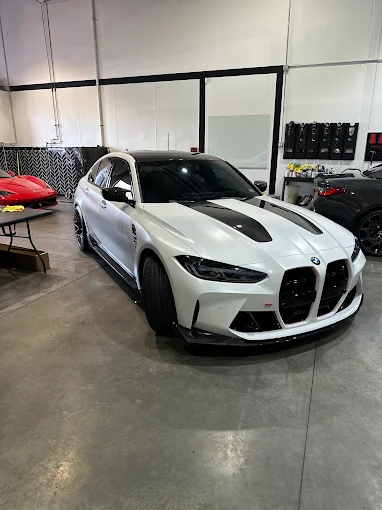
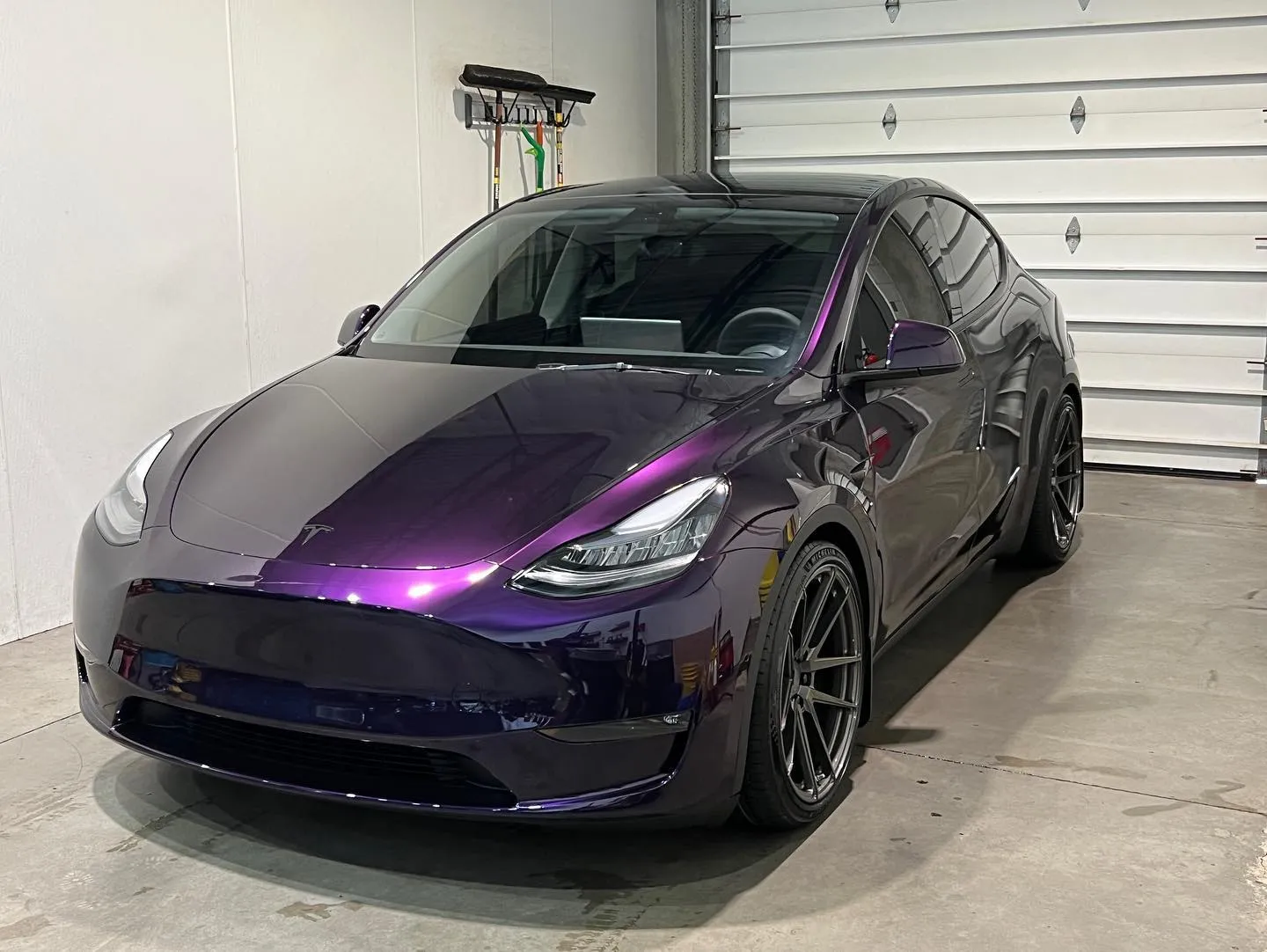
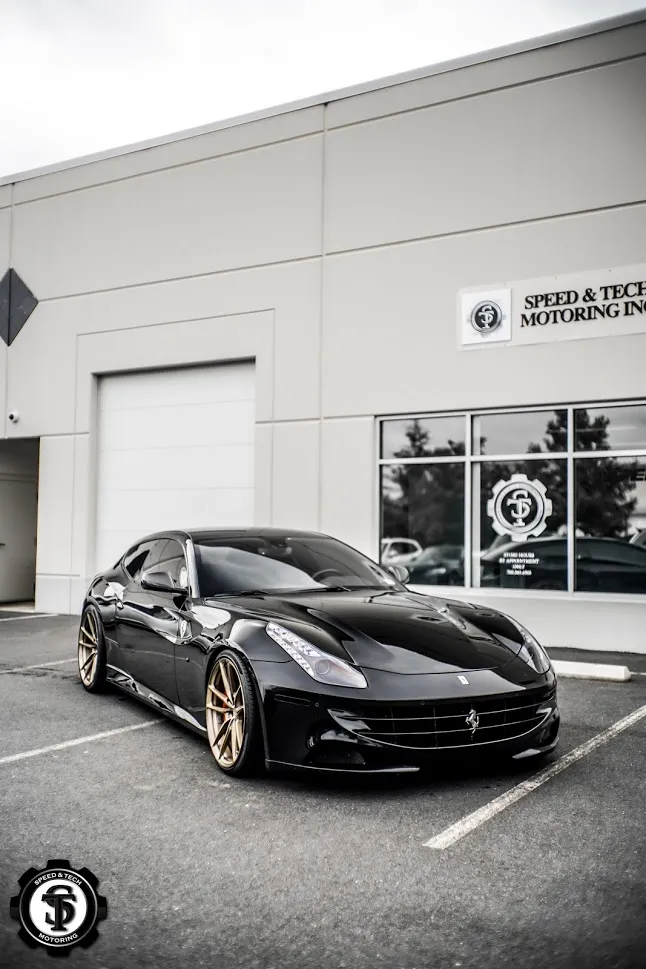
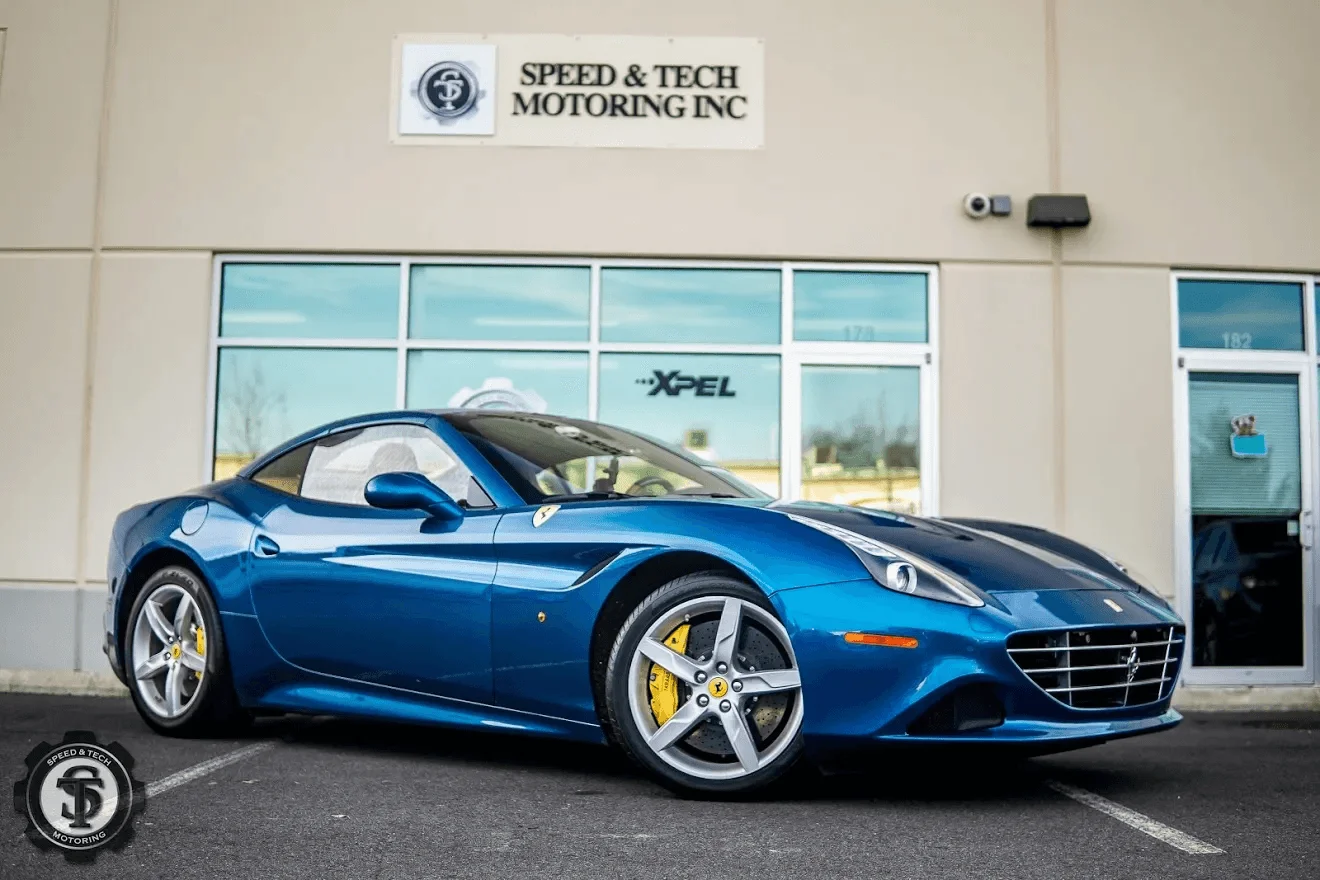
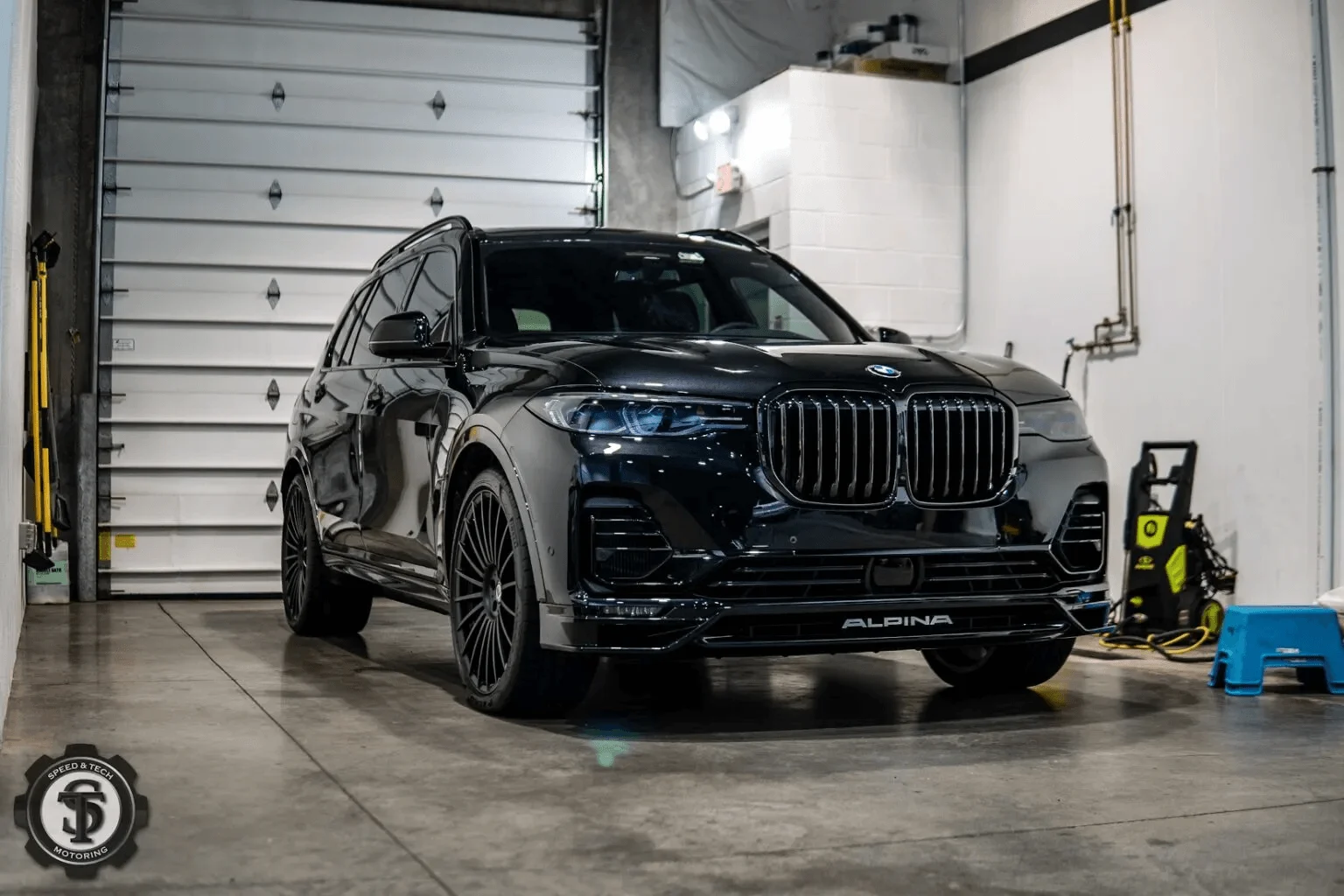
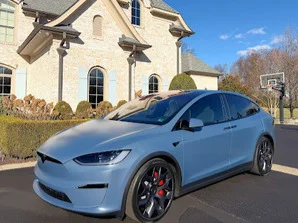
Picking a paint protection film finish from photos is risky because gloss, satin, and matte all read differently in person. The matte vs clear vs gloss PPF decision shapes how a vehicle looks for years, well beyond rock chip protection. Speed & Tech Motoring installs all three finishes for drivers across Sterling and Northern Virginia.
This guide compares appearance, protection, maintenance, and cost for each finish. Drivers who want samples in hand can start with PPF installation options in Sterling, VA.
What Is the Difference Between Matte, Clear, and Gloss PPF?
Each finish differs in its top coat, which controls how much light a paint protection film reflects. Clear PPF is transparent and preserves the existing appearance of factory paint. Matte PPF is also transparent, but its low-sheen surface gives gloss paint a flat, satin appearance.
Gloss PPF is usually another name for clear film with a high-shine surface. All three are polyurethane films designed to absorb chips and scuffs before the paint does.
- Clear or gloss PPF: keeps factory color and shine, with film that is nearly invisible once installed
- Matte or satin PPF: keeps factory color visible but swaps shine for a soft, low-reflection sheen
- Colored PPF: carries its own pigment, so it changes color as well as finish
No single finish is the best option for every vehicle. A suitable choice depends on which paint sits underneath and what appearance an owner wants.
Are Clear PPF and Gloss PPF the Same Thing?
In most shops, yes. XPEL describes its regular PPF as clear film designed to maintain the glossy appearance of a vehicle’s paint. Installers at Speed & Tech Motoring use both words for that same transparent film.
Film Finish vs Film Color
Finish describes sheen, meaning how reflective or flat a surface appears, while color describes pigment. Clear and matte films carry no pigment, so factory color remains visible through them.
Gloss black PPF is different because it is opaque. It belongs with colored PPF, which covers original paint with a new shade. Colored films are available in gloss, satin, and matte finishes of their own.
Matte vs Satin PPF Terms
Satin sits between gloss and fully flat matte, with a soft glow instead of a mirror-like reflection. Many films marketed as matte look closer to satin in person. XPEL, for example, describes STEALTH as a satin finish that gives glossy paint a matte look.
Terminology varies by manufacturer, so a physical sample is a more reliable reference than a product label. Sheen should be evaluated in daylight before any film is cut.
What Does Clear Gloss PPF Do to Factory Paint?
Clear gloss PPF preserves what is already there. Factory color, metallic flake, and pearl effects remain visible because this film carries no pigment. Most owners select it for paint they already like.
Gloss enhancement is possible but never automatic. A clear film can add some depth over well-prepared paint, although results depend on product choice and surface condition. XPEL notes that film can minimize surface-level scratches, yet deeper swirls and haze remain visible through a transparent layer.
Water behavior also varies by product. XPEL lists a hydrophobic top coat on ULTIMATE FUSION, while ULTIMATE PLUS does not include that additional layer. Owners who want strong water beading should ask which film line a quote includes.
How Does Matte or Satin PPF Change Gloss Paint?
Matte or satin PPF converts shiny paint into a low-reflection finish without repainting. Factory color remains, but reflections soften, and metallic flake appears more muted. Body lines also read differently once mirror-like glare disappears.
This conversion is reversible because a trained installer can remove matte film and reveal original gloss paint underneath. Speed & Tech Motoring offers this gloss-to-satin conversion as an alternative to a full matte repaint.
Coverage matters more with this finish, because a satin hood beside glossy doors creates a visible mismatch. Conversions therefore usually work best as full-body installations. Partial matte coverage suits vehicles that already have matte paint.
Which PPF Finish Works on Factory Matte or Satin Paint?
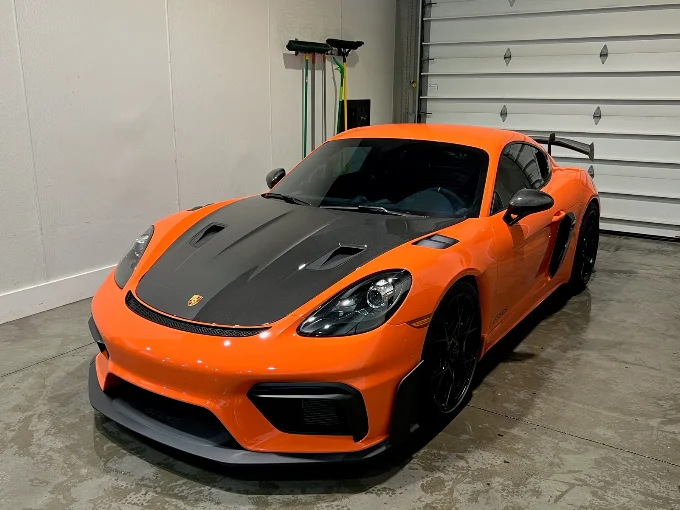
Factory matte or satin paint requires a matte or satin film. Clear gloss film adds shine to every panel it covers, which leaves glossy patches across a flat finish. XPEL notes that standard PPF adds a slight gloss to brushed metal, and it recommends STEALTH for those surfaces.
Matte paint is difficult to repair because polishing a scratch leaves a permanent shiny spot. A matching film absorbs that everyday wear instead of the paint. Finishes such as BMW Frozen and Mercedes Magno are common candidates.
An exact sheen match is never guaranteed, because factory matte finishes differ by manufacturer. Film should be test-fitted against the paint first, so an installer can confirm how closely both surfaces match.
Do Matte and Gloss PPF Protect Paint the Same Way?
For comparable films from one manufacturer, yes. XPEL states that both its regular PPF and STEALTH provide protection against scratches, chips, and environmental damage. Finish changes a vehicle’s appearance far more than its level of protection.
What Every PPF Finish Helps With
- Rock chips and gravel spray on bumpers, hoods, fenders, and mirrors
- Road debris and light abrasions from daily contact
- Light scratches and swirl marks, which land on film instead of clear coat
- Bug residue, bird droppings, tree sap, and road grime, which sit on a film surface
Self-healing depends on the film line. XPEL care guidance says light scratches in ULTIMATE PLUS and STEALTH self-heal in 20 to 30 minutes at room temperature. Warm water accelerates that process in colder weather.
What No PPF Finish Can Do
- Stop every impact, since a hard strike can still mark film or dent a panel
- Heal deep scratches that cut through a top coat
- Resist every stain, because contamination left to bake on can mark film
- Fix chips, peeling clear coat, or defects already in paint
- Protect panels that film does not cover
UV, stain, and yellowing claims also vary by product. Published data sheets and written warranty terms remain reliable sources for those details.
Which PPF Finish Hides Dirt, Swirls, and Imperfections Best?
Matte and satin films hide light dust and fine swirls better than gloss. XPEL says STEALTH’s satin finish helps hide dirt and minor imperfections. Lower reflection also softens how small waves in bodywork appear.
Gloss film reveals more, because mirror-like reflections expose swirl marks, water spots, and dust on darker paint colors. That same clarity explains why paint correction before a clear installation matters so much.
Matte surfaces have weaknesses of their own, since oily fingerprints and greasy smears can stand out against a flat finish. Edges and seams deserve close inspection on any film, since installation quality affects how visible they are.
How Is Caring for Matte PPF Different From Gloss PPF?
Basic washing is nearly identical. XPEL’s paint protection film care guidelines list a 48-hour wait before a first wash for both finishes. Hand washing with a soft microfiber mitt suits either film, and brush-style tunnel washes are best avoided.
Aftercare products are where maintenance differs. XPEL lists detailing clay as an option for ULTIMATE PLUS but not for STEALTH. Polishes, abrasive cleaners, and gloss-enhancing waxes are widely discouraged on matte film, because they can leave shiny patches.
Product selection should follow each film manufacturer, not a universal rule. XPEL recommends sealing STEALTH every six months to maintain its satin finish, and it sells a satin-specific ceramic coating. Stains such as insect residue should be removed quickly from both finishes.
Does Finish Choice Change Partial-Front, Full-Front, or Full-Body PPF Coverage?
Yes, because clear film blends with uncovered paint and matte film does not. Clear gloss PPF works at every coverage level, so owners can protect only high-impact panels.
- Partial front: front bumper, part of a hood, headlights, and mirrors
- Full front: full hood, front bumper, full fenders, headlights, and mirrors
- Track pack: full front plus side skirts
- Full body: all painted surfaces and headlights
On gloss paint, matte film usually requires full-body coverage to maintain one consistent sheen. On factory matte paint, partial and full-front packages work well with a matching film. Mixed finishes remain possible as deliberate accents, such as a satin hood or roof.
Does Matte PPF Cost More Than Clear PPF in Sterling, VA?
Usually, yes. This shop’s 2026 Sterling pricing guide says STEALTH matte film typically adds 10 to 20 percent to clear package pricing. Clear film ranges below come from that guide and are estimates, not quotes.
| Package | Clear Gloss PPF, 2026 Range | Matte or Satin PPF | What Changes the Price |
| Partial front | $600 to $1,200 | Typically 10 to 20 percent more | Film line and panel shapes |
| Full front | $1,500 to $3,000 | Typically 10 to 20 percent more | Hood size, fenders, and headlights |
| Track pack | $2,500 to $4,500 | Typically 10 to 20 percent more | Side skirts and added high-wear panels |
| Full body | $5,000 to $8,000+ | Typically 10 to 20 percent more | Vehicle size, panel count, and body lines |
What Else Affects a PPF Quote
- Vehicle size: SUVs and trucks need more film and labor than compact sedans
- Coverage: each added panel raises material and installation time
- Film type and finish: matte and colored lines cost more than standard clear film
- Preparation: paint correction or decontamination adds time before installation
- Installation complexity: tight curves, vents, and complex bumpers take longer
Prices vary by vehicle, film, and paint condition. Only a written estimate following an in-person inspection is exact.
How Do Northern Virginia Roads and Weather Affect Each PPF Finish?
Local conditions affect maintenance more than protection. Commutes on Route 28, Route 7, and the Dulles Toll Road throw gravel at front-end panels. Paint protection film of any finish absorbs those impacts in much the same way.
Spring pollen is a bigger finish consideration. Yellow dust appears quickly on gloss film, especially over dark paint, while satin film disguises a light layer longer. Both finishes need regular rinsing, since pollen and sap left in summer heat become harder to remove.
Winter brings brine and road salt across Loudoun and Fairfax counties. Dried salt residue is visible on gloss and matte alike, so finish makes little difference there. Prompt washing after storms keeps that residue from sitting on the film.
Matte vs Clear vs Gloss PPF Comparison Table
This table summarizes how each finish compares on factors drivers ask about most.
| Factor | Clear PPF (Gloss Finish) | Matte or Satin PPF | Gloss Black and Colored PPF |
| Transparency | Transparent | Transparent, with a low-sheen top coat | Opaque and pigmented |
| Effect on factory gloss paint | Keeps color and shine | Keeps color, changes shine to satin or flat | Replaces visible color and sets its own finish |
| Effect on factory matte paint | Adds unwanted shine | Preserves a flat look | Covers paint entirely |
| Chip and scratch protection | Urethane layer absorbs chips and light scratches | Comparable on matching film lines | Comparable, though it varies by film line |
| Self-healing | Yes, on films with a self-healing top coat | Yes, on films with a self-healing top coat | Varies by line, so check its data sheet |
| Visibility of imperfections | Shows swirls, dust, and water spots more | Hides light dust and fine swirls, but fingerprints can show | Depends on color and finish chosen |
| Maintenance | Film-safe hand wash, with gloss products allowed by most makers | No polishing, buffing, or gloss wax | Follow maker guidance for that finish |
| Partial coverage | Works at every coverage level | Full body on gloss paint, any level on matte paint | Usually full body for a color change |
| Sterling cost in 2026 | Baseline pricing | Typically 10 to 20 percent more | Higher than clear, quoted by film line |
| Common use | Preserving factory paint | Matte styling or protecting matte paint | Color change with protection |
Which PPF Finish Fits Which Goal?
Each finish suits a different goal, and none is right for every vehicle. These matches cover common priorities among Northern Virginia owners.
- Factory paint preservation: clear gloss film keeps original color and shine visible
- A new look without repainting: matte or satin film over gloss paint, usually full body
- Protecting factory matte or satin paint: a matching low-sheen film
- Gloss-focused goals: clear film over corrected paint, with ceramic coating on top where budget allows
- Leased vehicles: clear film, since it leaves factory appearance unchanged
- A different color: colored PPF, which is a separate decision from finish
Viewing samples on an actual vehicle settles most doubts. Photographs flatten sheen, so comparisons in shade and direct daylight matter.
Conclusion
Clear and gloss PPF preserve the existing appearance of factory paint. Matte and satin films protect in a similar way but exchange shine for a flat, low-reflection appearance. Factory matte paint needs a matching film, and maintenance products differ between both finishes.
Drivers in Sterling and Northern Virginia can compare each finish in person at Speed & Tech Motoring. Owners who also want a new shade can read what colored PPF is and how it works before booking.
Frequently Asked Questions
Is clear PPF the same as gloss PPF, or are they two different films?
They are usually one film. Clear describes transparency, and gloss describes its shiny top coat. XPEL calls its regular PPF clear film made to maintain a glossy paint look. Gloss black PPF is different because it is opaque and belongs with colored films. Ask which film line a quote covers.
Can matte PPF be installed over gloss paint, and can it be removed later?
Yes. Matte or satin PPF can go over gloss paint to create a flat, low-reflection look while protecting it. Factory color still shows through. A trained installer can remove film later with heat or steam to reveal original gloss. Full-body coverage usually gives the most consistent finish.
What happens if gloss PPF is put on factory matte paint like BMW Frozen?
Gloss PPF adds shine to each panel it covers, so factory matte paint ends up with glossy patches. A matte or satin film is the right match for Frozen, Magno, and similar finishes. Sheen varies by brand, so ask an installer to test a film sample against the paint before anything is cut.
Does matte PPF self-heal scratches the same way gloss PPF does?
On comparable film lines, yes. XPEL care guidance says light scratches in ULTIMATE PLUS and STEALTH self-heal in 20 to 30 minutes at room temperature. Warm water speeds that up. Deep scratches that cut through the film will not heal. Other brands vary, so check each product data sheet.
How much more does matte PPF cost than clear PPF in Sterling, VA in 2026?
Matte PPF typically adds 10 to 20 percent to clear package pricing at this Sterling shop. Estimated 2026 clear ranges run $600 to $1,200 for partial front and $5,000 to $8,000 or more for full body. Vehicle size, coverage, and paint prep then determine the final written quote after inspection.
Can you put ceramic coating on matte PPF without making it shiny?
Yes, with the right product. XPEL states that ceramic coating on STEALTH film will not make it shiny. It also makes FUSION PLUS SATIN for satin paint and STEALTH. A gloss-focused coating or wax is the wrong choice for a flat finish. Confirm which coating an installer plans to use before booking.