
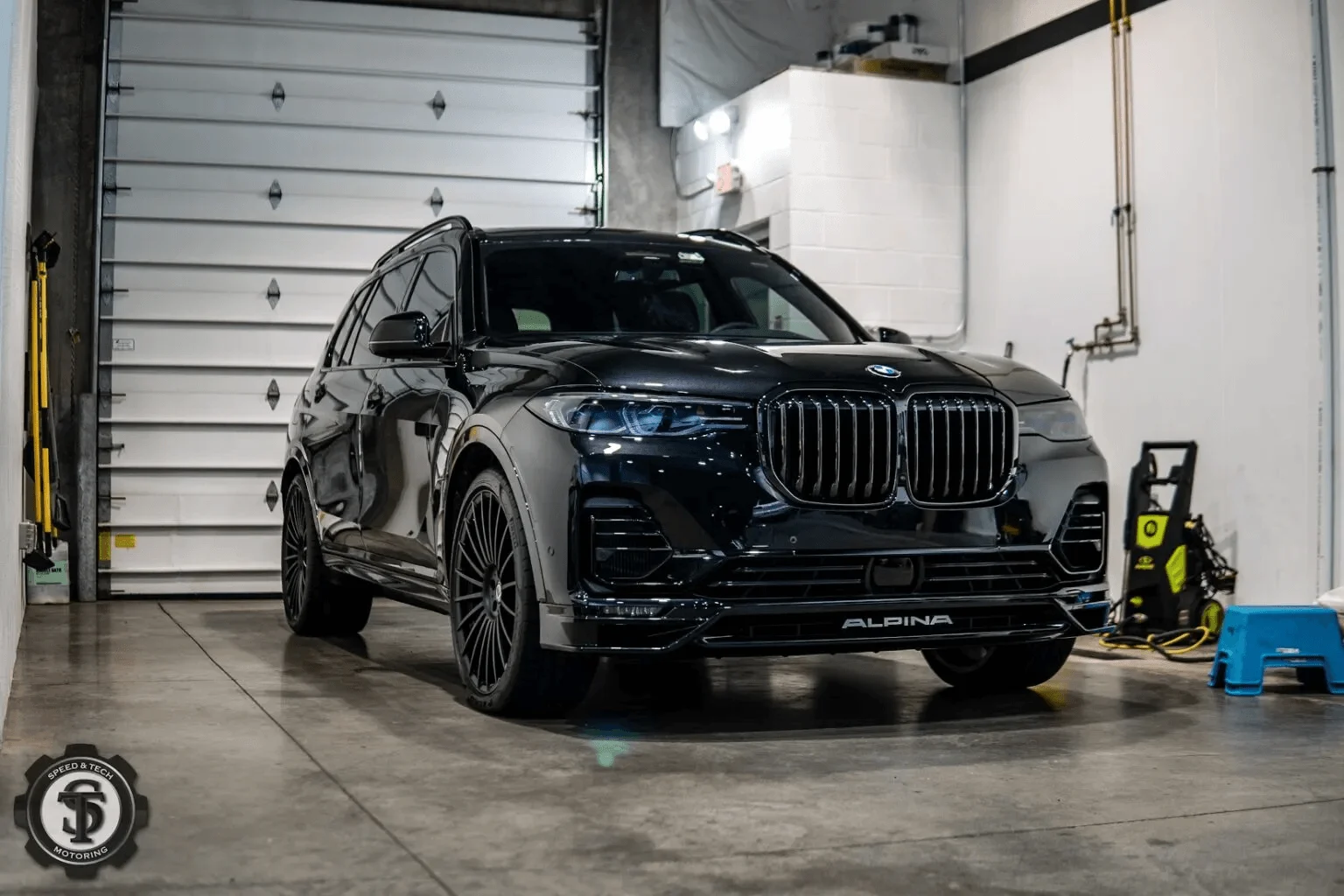
Paint correction before PPF is worth considering whenever the paint shows swirls, scratches, or defects that film will not hide. Film follows the surface it covers, so preparation shapes the finished result.
At Speed & Tech Motoring in Sterling, VA, we inspect every vehicle before installing XPEL film. This guide explains which defects need correction, how rock chips are handled, and when correction can be skipped.
Do You Need Paint Correction Before PPF?
Paint correction before PPF is needed when visible swirls, haze, or scratches would stay noticeable under clear film. It is optional on paint that is already smooth and free of defects.
The decision depends on the paint, not on a fixed rule. A brand-new vehicle with flawless paint may need only decontamination, while a vehicle with wash marks often benefits from polishing.
Our paint correction service in Sterling, VA offers one-step and two-step packages, so the level can match the finish. An inspection under proper lighting shows which defects are worth removing first.
Why Does PPF Seal In Paint Defects?
Paint protection film is a clear urethane layer that follows the shape of the paint beneath it. Anything on that surface, including wash marks and haze, sits under the film once it is applied.
Clear film does not change the color, so reflections can make leftover defects easier to notice, especially on dark paint. This is why Speed & Tech Motoring treats surface preparation as part of every film job.
Removing a defect later is difficult because the film must come off first. Correcting the paint before installation avoids that extra step.
Can PPF Hide Scratches and Swirl Marks?
According to XPEL’s FAQ, paint protection film can hide or minimize pre-existing, surface-level scratches. Hairline marks may look softer under film, but results are not predictable. Deeper scratches and heavy swirls stay visible, so film alone is not a correction method.
Self-healing is a different feature. XPEL says its film heals minor scratches and swirls in the film itself, not in the paint underneath.
A realistic expectation is softer light marks and unchanged deep ones. An inspection can separate the two before any film is cut.
Which Scratches Can Be Removed Before PPF?
Scratches that stay within the clear coat can often be reduced or removed with machine polishing. Scratches that reach the color coat or primer usually cannot be polished out.
At Speed & Tech Motoring, paint depth readings and inspection lighting help decide how far polishing can safely go. Clear coat is limited, so removing every mark is not always wise.
| Defect | Can Polishing Fix It? | Typical Plan Before PPF |
| Light swirl marks | Usually | Polish before film |
| Fine wash marks and haze | Usually | Decontaminate and polish before film |
| Light scratches in clear coat | Often | Polish, then let film soften what remains |
| Deep scratches into color coat | No | Leave as is, touch up, or refinish |
| Rock chips with missing paint | No | Touch up or refinish before film |
| Water spot or bird dropping etching | Sometimes | Test polish, because depth decides |
The fingernail test offers a rough guide, though inspection under bright light is more reliable.
Does Paint Correction Fix Rock Chips?
Paint correction does not fix rock chips that have lost paint. Polishing levels the clear coat, and it cannot fill a crater where paint is missing.
Chips need touch-up paint or refinishing, which is a separate repair from polishing. Treating polishing as chip repair sets the wrong expectation.
Chips that expose bare metal can rust, so repair should not wait. Smaller clear-coat chips are judged case by case during inspection. Fresh paint needs time to cure before film goes on, so repairs should be scheduled with the installer.
Can You PPF Over Rock Chips?
Film can be installed over rock chips, but it will not hide or repair them. The crater stays visible, and loose paint around a chip edge can weaken adhesion.
Many installers recommend repairing larger chips first, so the film lies flat and the panel looks uniform. Tiny pits may be acceptable to leave when the owner understands they remain visible.
The XPEL warranty applies to the film only, not to damage to the paint beneath it. Chip repair before installation keeps that distinction clear.
Does PPF Stop Rock Chips?
XPEL says paint protection film absorbs the impact of rocks and debris, which helps shield paint from chips. This is a leading reason owners choose film for front-end panels such as the hood and bumper.
No film makes paint chip-proof, because a hard strike at speed can still damage the film. Coverage matters, since film only protects the panels it covers.
Highway commutes around Sterling and Loudoun County expose the front end to constant debris. Winter road salt adds further wear to lower panels.
What Is the Difference Between Paint Prep and Paint Correction Before PPF?
Paint prep cleans the surface so film can bond, while paint correction changes the surface by polishing out defects. Prep is about adhesion, and correction is about appearance.
Prep usually includes a hand wash, decontamination, clay treatment when needed, and a final panel wipe. These steps remove road film, iron particles, and residue that can cause lifting or visible specks under film.
Correction is optional and depends on the condition of the paint. Skipping prep is never an option, but skipping correction can be an informed choice.
What Does Paint Correction Involve Before PPF?
The process starts with a hand wash, decontamination, and clay treatment when needed. These steps remove bonded grime that would block a clean polish.
A one-step correction uses a single machine-polish stage to improve gloss and reduce light marks. A two-step correction adds compounding before a finishing polish for deeper defects.
Paint thickness readings and inspection lighting guide how much material is removed. Installers then wipe panels clean before film so polishing residue does not interfere with adhesion.
How Much Clear Coat Does Paint Correction Remove?
Machine polishing removes a very small layer of clear coat to level out scratches and swirls. The amount depends on the polish, the pad, and the number of passes.
Clear coat is thin, so there is a limit to how much can be removed safely. Paint depth readings show how much material remains and help decide if a second stage is wise.
Thin or previously repainted panels need extra caution. In those cases, leaving a mild defect under film can be safer than polishing aggressively.
When Can Paint Correction Before PPF Be Skipped?
Correction can be skipped on new paint that is truly free of defects and has been inspected up close. New does not always mean flawless, since transport and dealer prep can leave marks.
| Situation | Correct First? | Reason |
| New vehicle with flawless paint | Often not needed | Decontamination and a light polish may be enough |
| New vehicle with dealer wash marks | Usually | Wash marks stay visible under film |
| Daily driver with visible swirls | Yes | Swirls are sealed in under the film |
| Dark paint with haze | Yes | Defects show more on dark colors |
| Thin or previously repainted paint | Inspect first | Depth readings decide how much polishing is safe |
| Owner accepts minor defects | Owner’s choice | Film still protects, and defects remain |
Budget and ownership length also matter, and an honest conversation about priorities keeps expectations realistic.
Leased or short-term vehicles may justify a lighter approach. The goal there is protecting resale condition, not perfecting the finish. Owners keeping a vehicle for many years usually value correction more.
What Happens If Paint Correction Is Skipped Before PPF?
Skipping correction leaves existing defects under the film for as long as the film stays on. Owners often notice swirls most in direct sun or under garage lighting.
Fixing the problem later usually means removing the film, polishing the paint, and reinstalling new film. That adds cost and time compared with correcting the paint first.
Skipping can still be a reasonable choice when the defects are minor, and the owner accepts them. The key is knowing the trade-off before installation day.
Is Paint Correction Before PPF Worth It on a Used Car?
Paint correction before PPF is often worth it on a used car. Years of washing, drying, and road exposure leave visible marks. Film then protects the improved finish going forward.
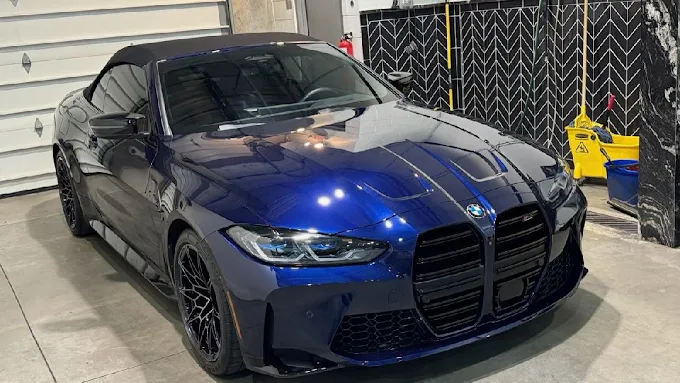
Dark colors show swirls and haze more clearly than lighter colors. Owners of black, gray, or deep blue vehicles usually notice the difference most after correction.
The value depends on how long the vehicle will be kept and how visible the defects are. A short inspection helps weigh polishing against leaving minor marks under film.
Does the XPEL Warranty Cover Paint Damage Under the Film?
XPEL’s warranty page states that the warranty applies to the film only. It adds that the film is designed to protect paint but does not cover damage to the paint itself.
Coverage centers on film problems such as yellowing, cracking, blistering, and delaminating, with terms that vary by product. Owners should read the terms for the specific film chosen, including any inspection requirements on some product lines.
Documenting paint condition with photos before installation helps everyone understand what was already present.
What Should Be Asked Before PPF Installation in Sterling, VA?
Ask the installer to inspect the paint under bright light and explain which defects will remain under film. A clear correction level, such as one-step or two-step, prevents surprises on pickup day. Photos taken before work begins document the starting condition.
Owners should also ask if paint depth readings are taken, how chips will be handled, and what the warranty covers.
Asking these questions before booking sets clear expectations on scope, schedule, and results. Written answers are easy to compare between shops and keep everyone aligned.
Final Thoughts on Paint Correction Before PPF
Paint correction before PPF matters most when swirls, scratches, or haze would remain visible under clear film. Film can soften light surface marks, but it does not repair chips or deep scratches. Skipping correction is a valid choice only when the owner understands what will stay.
Readers comparing coverage can review the PPF warranty guide for the next steps. Our team at Speed & Tech Motoring can inspect the paint and recommend the right correction level.
Frequently Asked Questions
Do I really need paint correction before getting paint protection film on a new car?
Not always. New paint that is truly free of defects may need only decontamination or a light polish. Transport and dealer prep often leave wash marks, though, and film keeps them visible. An inspection under bright light shows if correction is worth doing first, before film is cut.
Can paint protection film hide light scratches and swirl marks without polishing first?
Partly. XPEL says its film can hide or minimize pre-existing, surface-level scratches, but results are not predictable. Deeper scratches and heavy swirls stay visible under clear film. Polishing the paint before installation gives a cleaner, more reliable result on most vehicles.
Will paint correction fix rock chips before I apply PPF?
Not when paint is missing. Polishing levels clear coat but cannot fill a chip crater, and bare-metal chips can rust. Chips need touch-up paint or refinishing as a separate repair. Paint correction still helps the surrounding paint look uniform under the film once the repair has fully cured.
Can you put PPF over rock chips, or should they be repaired first?
Film can go over chips, but it will not hide or repair them, and loose paint at a chip edge can weaken adhesion. Many installers recommend repairing larger chips first so the panel looks uniform. Tiny pits may be left when the owner accepts that they will stay visible under clear film.
What happens if I skip paint correction before PPF and the paint has scratches?
Scratches stay under the film for as long as it remains on the car. XPEL says film can minimize surface-level scratches, but deeper ones remain visible. Correcting them later usually means removing the film, polishing the paint, and installing new film, which adds both cost and time.
Does XPEL’s warranty cover scratches or chips that were already on the paint before PPF?
XPEL’s warranty page says it applies to the film only and does not cover damage to the paint itself. Coverage centers on film defects such as yellowing, cracking, blistering, and delaminating. Photos of paint condition before installation help document exactly what was already there.