
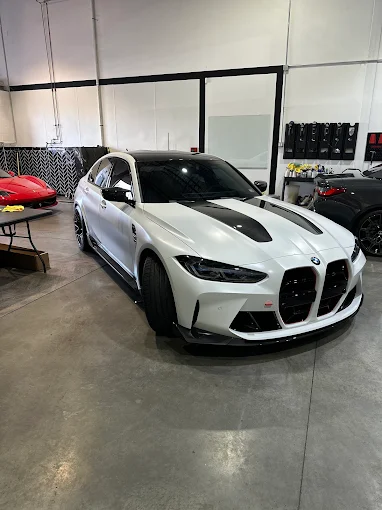
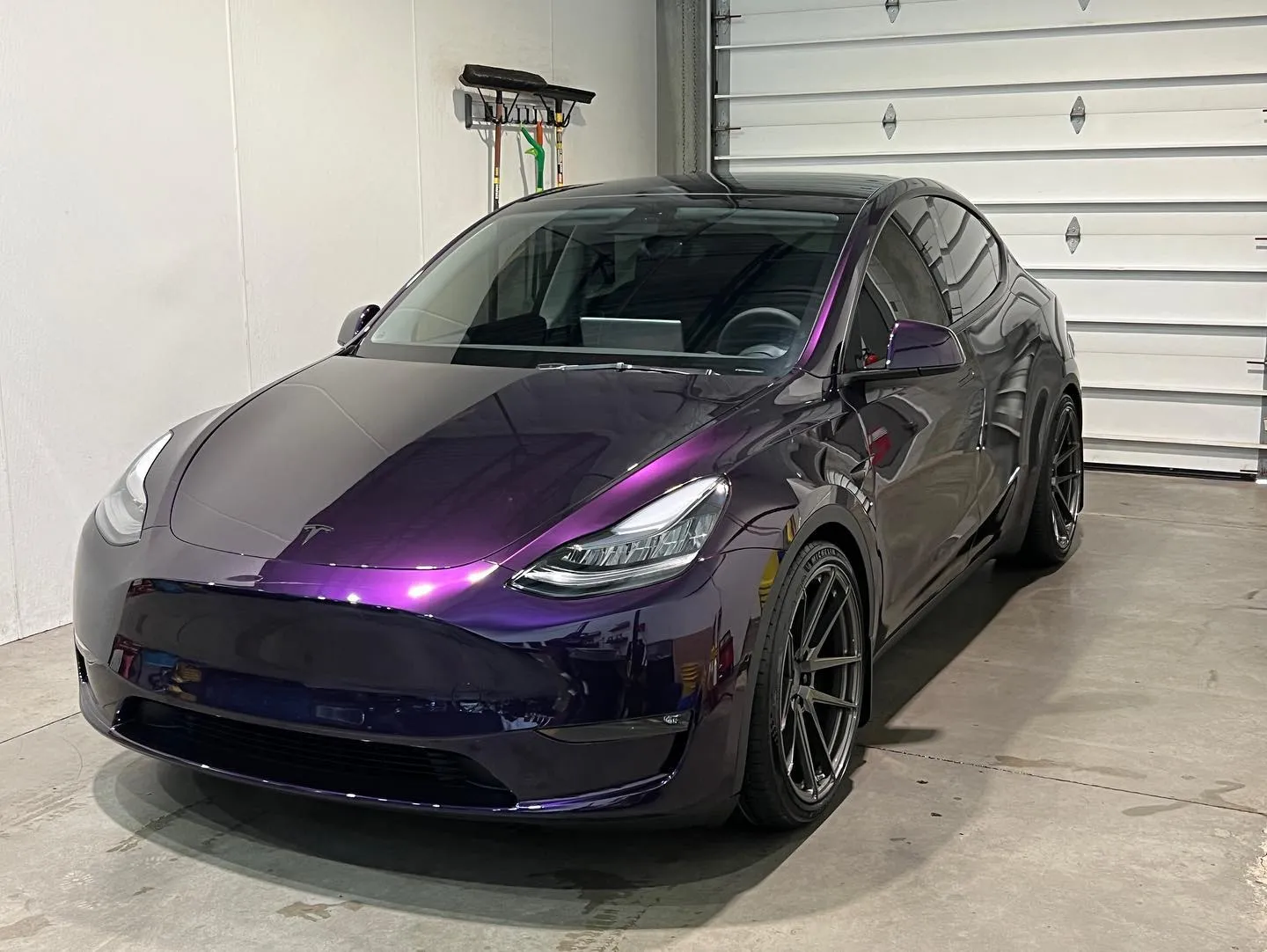
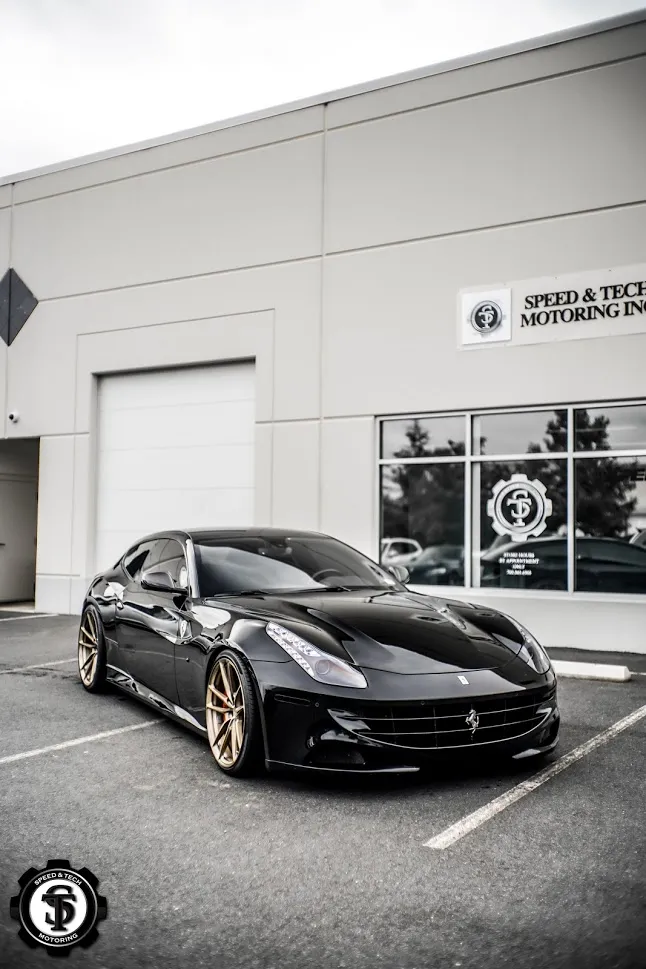
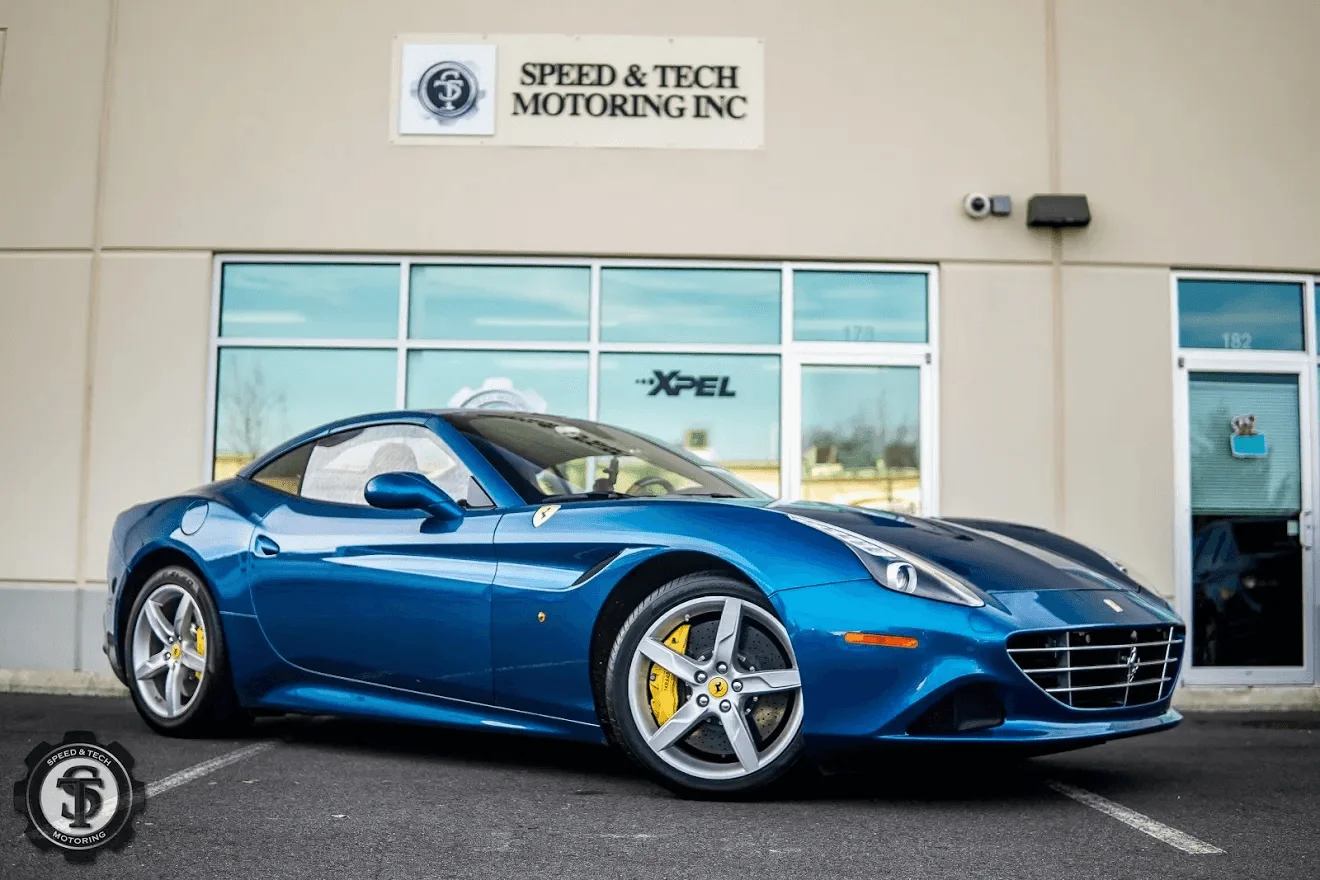
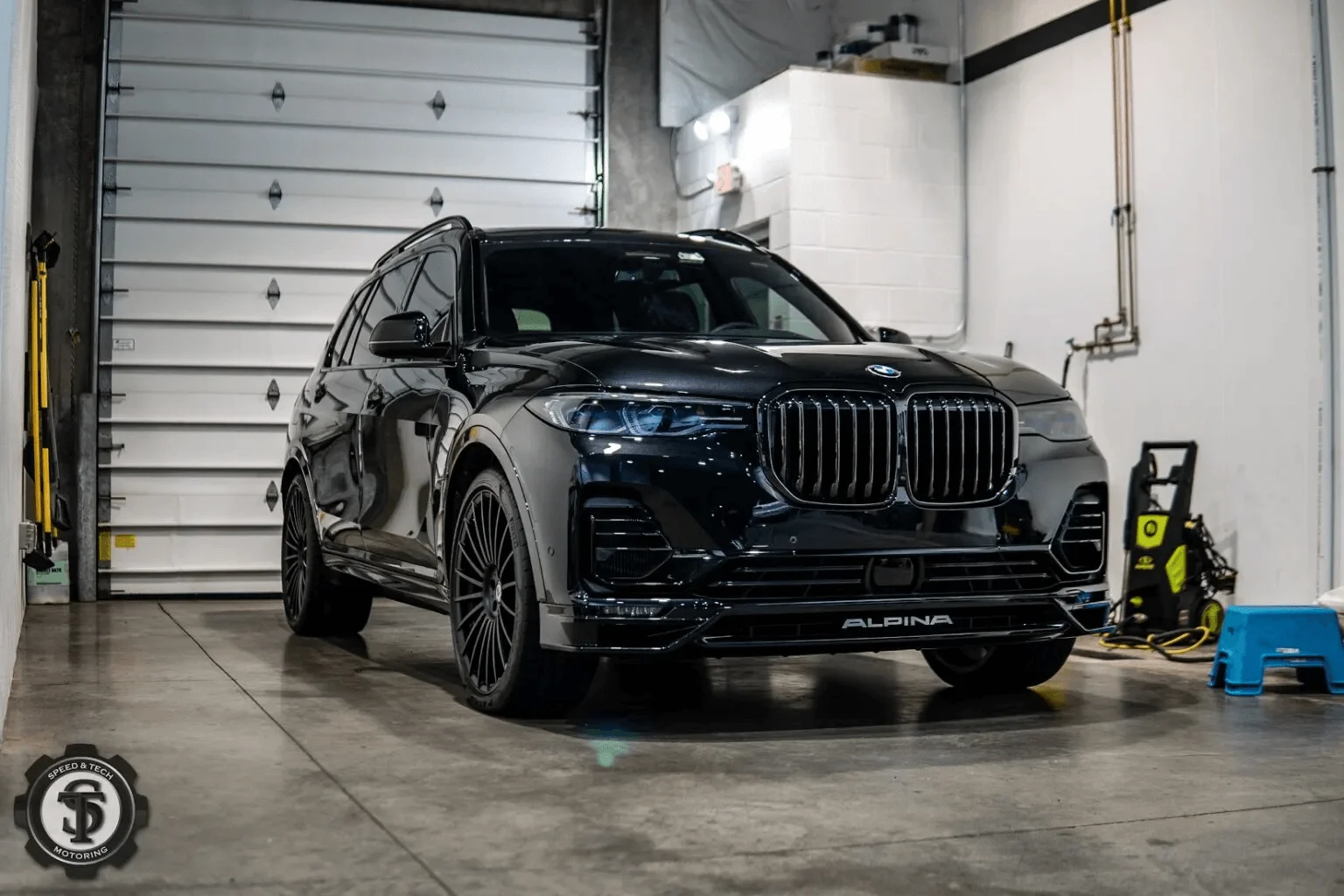
Spring pollen, winter road brine, and daily miles on Route 28 wear down paint protection fast. That explains why the ceramic coating vs wax question comes up so often among Sterling, VA drivers. Speed & Tech Motoring installs XPEL FUSION PLUS ceramic coating and sees how both options hold up on local roads. Wax is a low-cost layer that needs regular reapplication. Ceramic coating is a bonded layer built to stay on through washing. This guide compares both on durability, gloss, upkeep, and cost.
Is Ceramic Coating Better Than Wax?
Ceramic coating is the better choice for most daily-driven vehicles because it lasts longer and makes washing easier. Wax remains a good option for owners who want low cost and enjoy regular detailing. Neither one beats its rival in every situation.
A quick guide covers most decisions:
- Choose ceramic coating for long-term protection, strong water beading, and less frequent upkeep.
- Choose wax for an affordable shine that is easy to apply at home.
- Choose paint protection film, also called PPF, when rock chips are the main concern.
Both products protect the clear coat, which is the transparent top layer of automotive paint. The real difference is how each one attaches to that layer and how long it stays there.
How Do Ceramic Coating and Car Wax Work on Automotive Paint?
How Car Wax Works
Car wax is a blend of natural or synthetic waxes, oils, and polymers that sits on the clear coat. Carnauba, the best-known natural wax, comes from the leaves of a Brazilian palm. Wax does not bond chemically to paint, so washing, heat, and detergents gradually wear it away.
How Ceramic Coating Works
Ceramic coating is a liquid polymer that contains silicon dioxide, often written as SiO2. XPEL states that its coating chemically bonds to paint and forms a glass-like, hydrophobic layer. Routine washing does not remove it, and removal takes machine polishing.
Technicians at Speed & Tech Motoring apply coating only after washing, clay bar treatment, and any needed paint correction. That preparation is a major part of every ceramic coating installation in Sterling, VA.
Ceramic Coating vs Wax Comparison Table
This table shows how ceramic coating and traditional car wax compare on what Sterling drivers ask about most.
| Factor | Car Wax | Ceramic Coating |
| How it attaches | Sits on top of the clear coat | Chemically bonds to the clear coat |
| Typical durability | Weeks to a few months | Years with proper care, varying by product |
| Water behavior | Beads water at first, then fades | Strong beading and sheeting for much longer |
| Gloss | Warm, deep glow | Crisp, glass-like reflection |
| Contaminant release | Limited and short-lived | Bird droppings, sap, and grime wash off more easily |
| Rock chips and deep scratches | No protection | No protection |
| Preparation | Wash and dry | Wash, decontamination, and paint correction as needed |
| Application | DIY friendly, often an hour or two | Professional install, usually one to three days |
| Upkeep | Regular washing, plus rewaxing about every season | Regular gentle washing, plus warranty inspections |
| Removal | Wears off or washes away | Machine polishing |
| Upfront cost | Low | Higher |
| Best fit | Budget care, hobby detailing, classic cars | Daily drivers, new vehicles, long-term owners |
Durability depends on the product, the climate, and the care routine, so these are general ranges and not guarantees.
How Long Does Wax Last Compared With Ceramic Coating?
Wax lasts weeks to a few months, while a professional ceramic coating is built to last for years. Consumer Reports found that even the best waxes it tested last only a few months. Paste and liquid waxes generally outlast spray waxes, which trade durability for convenience.
Coating life depends on the product tier, the preparation, and the care it receives. XPEL backs FUSION PLUS with a one-year warranty on Lite, four years on Classic, and eight on Premium. A warranty term describes coverage, not a promise of perfect water beading for that full period.
Local conditions matter as well. Speed & Tech Motoring sees Sterling vehicles face pollen, summer heat, and road brine within a single year. Those cycles wear wax down faster, while a bonded coating is designed to stay on through them.
Which Gives Better Gloss and Water Beading, Wax or Ceramic Coating?
Gloss and Shine
Wax gives paint a warm, deep glow that many enthusiasts still prefer, especially on darker colors. Ceramic coating produces a sharper, more reflective finish that looks like glass. Neither product hides swirl marks, so paint condition sets the limit for both.
Hydrophobic Properties and Water Behavior
Hydrophobic means a surface repels water, so droplets bead up and roll away. Fresh wax beads water well, but that effect fades as the wax wears. Ceramic coating keeps beading and sheeting far longer, which helps dirt rinse off during a wash.
Beading is not the same as self-cleaning or spot-proofing. Droplets that dry on any surface can leave mineral deposits behind. XPEL advises drying coated paint fully instead of letting water evaporate on its own.
What Do Wax and Ceramic Coating Protect Against, and What Can They Not Stop?
Both products help with everyday contamination, but ceramic coating does it for much longer. Bird droppings, tree sap, bug residue, and road grime release more easily from a coated surface. Prompt washing still matters, because acidic contaminants can etch any finish when left in place.
Neither wax nor ceramic coating can:
- Stop rock chips, dents, or deep scratches
- Remove the need for regular washing
- Prevent water spots when hard water dries on paint
- Hide swirl marks or oxidation already in the paint
UV claims deserve similar caution. XPEL describes its coating as helping shield paint from UV damage, but no universal rating applies across brands. Physical impact is a separate job for paint protection film, a thick urethane layer that absorbs gravel strikes.
What Prep Does Paint Need Before Ceramic Coating or Wax?
Wax needs little more than a clean, dry, cool surface. Ceramic coating needs far more, because it locks in whatever sits beneath it. Old wax, sealant, and residue must come off first so the coating can bond to bare clear coat.
Professional coating preparation usually follows these steps:
- Multi-stage wash to remove loose dirt
- Chemical and clay bar decontamination to lift bonded particles
- Paint correction, which is machine polishing that levels swirl marks and light scratches
- Panel wipe to remove polishing oils
- Coating application, followed by cure time
New vehicles often need only light correction, while older paint may need a two-step polish. Coated vehicles should stay unwashed for about 48 hours, following the installer’s instructions.
How Does Maintenance Differ Between Waxed and Ceramic Coated Cars?
A waxed vehicle needs regular washing plus fresh wax about three to four times a year, per Consumer Reports. Each reapplication takes time, and brush-style automatic washes can strip wax sooner.
A coated vehicle still needs regular washing, but the waxing step goes away. Dirt releases with less effort, so each wash tends to go faster. XPEL recommends washing out of direct sunlight, drying with clean microfiber, and avoiding aggressive polishes on coated paint.
Coating warranties also carry conditions. XPEL requires an annual inspection by the installing shop to keep FUSION PLUS coverage active.
Can You Put Wax Over Ceramic Coating?
Wax can go over a fully cured ceramic coating, but it is rarely worth doing. The wax covers the coating, so the surface behaves like wax until that layer wears off. Water beading and slickness may actually drop during that time.
Cleaner waxes and abrasive polishes are a bigger concern, because they can wear the coating itself. Most coating makers recommend an SiO2 maintenance spray instead. XPEL, for example, points owners to its Ceramic Boost for added gloss and slickness.
The reverse order does not work at all. Ceramic coating cannot bond over wax, so installers strip old wax during preparation.
Are Ceramic Spray Waxes the Same as a Professional Ceramic Coating?
No, and the similar names cause real confusion. Ceramic spray waxes and hybrid waxes are consumer products with a small amount of SiO2 added. They sit between traditional wax and a professional coating on durability, cost, and effort.
These hybrids usually outlast carnauba wax, and makers typically describe their durability in months. A professional coating uses a more concentrated formula, needs careful preparation, and cures into a longer-lasting layer. Product labels and written warranty terms show which category a product belongs to.
How Much Does Ceramic Coating Cost Compared With Wax in Sterling, VA?
Wax costs far less upfront, while ceramic coating costs more because of preparation, labor, and product. These 2026 figures are typical ranges, not quotes. Final pricing depends on vehicle size, paint condition, and package.
| Option | Typical 2026 Range | What Affects the Price |
| DIY car wax, product only | $10 to $60 | Wax type, brand, and container size |
| Professional hand wax | $50 to $200 | Vehicle size and any included wash or polish |
| Professional ceramic coating, full exterior, Sterling, VA | $600 to $2,500 | Coating tier, warranty length, paint correction, and vehicle size |
A higher upfront price reflects one to three days of skilled work, not just a bottle of product. XPEL’s ceramic coating FAQ lists upfront cost as the main downside compared with traditional waxing. It also notes that professional application gives the most consistent results.
Value depends on how a vehicle is cared for today. Owners who pay for several wax services each year may see that gap narrow over time. Owners who wax at home at low cost should weigh convenience and durability instead of savings.
How Do Sterling, VA Roads and Weather Affect the Choice?
Northern Virginia puts paint through four distinct seasons. Spring brings heavy tree pollen and sap, and summer heat bakes contamination onto warm panels. Winter adds salt and brine, which VDOT crews spread before storms.
Commuter routes add their own wear. Route 28, Route 7, and the Dulles Toll Road carry heavy traffic that throws road film onto lower panels. Vehicles parked outdoors near Dulles International Airport or at office lots collect fallout all day.
Wax can handle these conditions, but only with frequent reapplication. Ceramic coating fits busy owners better, because one professional install keeps working through every season.
Which Is Better for Daily Drivers, New Cars, and Enthusiast Vehicles?
Daily Drivers
Daily commuters gain the most from ceramic coating, since every wash takes less effort. Front-end PPF is worth adding where highway gravel is common.
New Vehicles
Fresh paint usually needs little correction, which keeps prep time and cost down. Coating a new vehicle early protects its finish before swirls and stains build up.
Enthusiast and Classic Vehicles
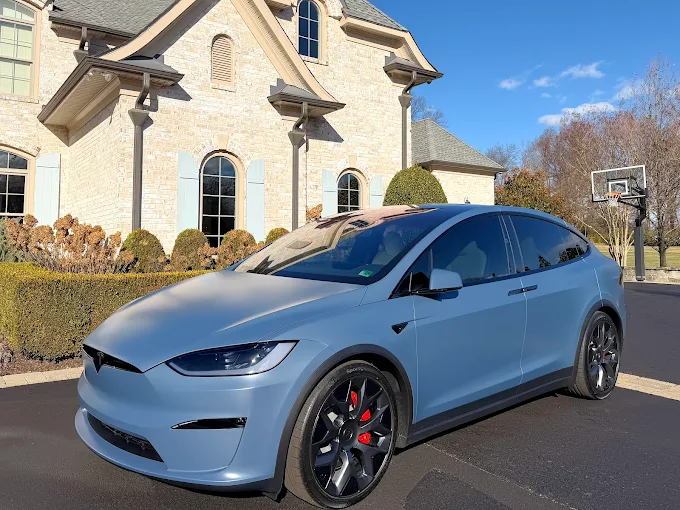
Owners who enjoy weekend detailing may prefer wax for its warm glow and hands-on routine. Garage-kept classics that see few miles often suit wax as well. Matte and satin finishes are an exception, since they generally need a coating made for them instead of wax.
Ceramic Coating or Wax: Which Should Sterling, VA Drivers Choose?
Ceramic coating vs wax comes down to durability versus cost. Ceramic coating bonds to paint, lasts for years, and makes washing easier, but it costs more upfront. Wax is affordable and simple, but it needs reapplying every few months, and neither one stops rock chips.
For Sterling drivers weighing both options, Speed & Tech Motoring matches protection to each vehicle, commute, and budget. Learning how long a ceramic coating really lasts makes that comparison easier.
Frequently Asked Questions
Is ceramic coating really better than wax for a car that gets driven every day?
Yes, for most daily drivers. Ceramic coating bonds to the clear coat and survives routine washing, while wax wears off within a few months. Coated paint also releases dirt and road film much more easily. Wax still makes sense for tight budgets or owners who enjoy frequent detailing.
How often do I need to wax my car compared with reapplying ceramic coating?
Plan on waxing about three to four times a year. Consumer Reports found even the best waxes last only a few months. A professionally installed ceramic coating is built to last for years. XPEL FUSION PLUS warranties run from one to eight years by tier, with annual inspections required.
Can I put wax on top of a ceramic coating without damaging it?
Wax will not usually harm a fully cured coating, but it is not recommended. The wax covers the coating, so water beading and slickness follow the wax until it wears off. Avoid cleaner waxes with abrasives. An SiO2 maintenance spray approved by the coating maker is the better choice.
Does ceramic coating or wax protect my car from rock chips and scratches?
No. Neither product stops rock chips, dents, or deep scratches, because both layers are far too thin to absorb impacts. Ceramic coating mainly helps with contamination, gloss, and easier washing. Paint protection film is the right choice for chip protection on highways like Route 28.
Why does ceramic coating cost so much more than waxing a car?
Ceramic coating costs more because most of the work is preparation. Paint must be washed, decontaminated, and often machine polished before coating, then left to cure. In Sterling, VA, 2026 packages typically run $600 to $2,500, while a professional hand wax is often $50 to $200.
Is ceramic coating or wax better for a brand new car in Sterling, VA?
Ceramic coating is usually the better fit for a new car. Fresh paint needs little correction and gets protected before swirls build up. New paint still needs decontamination first. Wax works as a short-term option, but it needs reapplying every few months through pollen and brine.